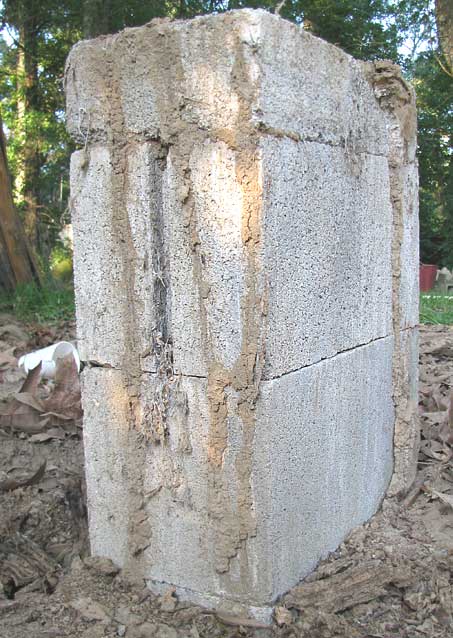
MUD TUBES
Earth-colored shelter tubes may run up foundations, posts, or other surfaces between soil and wood.
VORIAN / TERMITE CONTROL
Termite inspection and tailored protection for homes and businesses in Middlesex, Union, and Essex counties, New Jersey.
REQUEST SERVICESIGNS OF TERMITES
Subterranean termites often stay hidden. These clues call for a closer inspection, but their absence does not rule out activity.
Earth-colored shelter tubes may run up foundations, posts, or other surfaces between soil and wood.
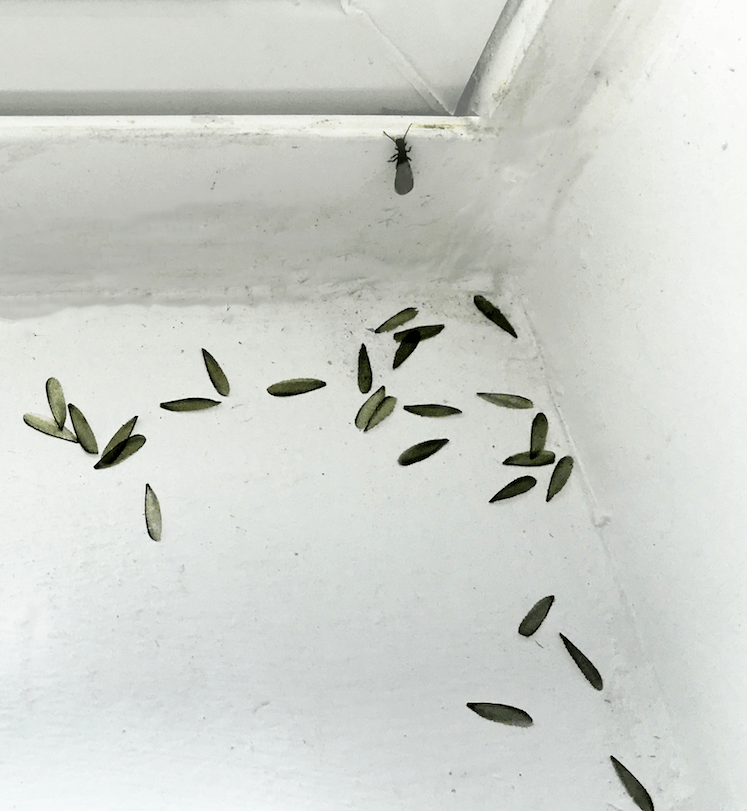
Clusters of similarly sized wings near windows or doors can remain after winged termites swarm.
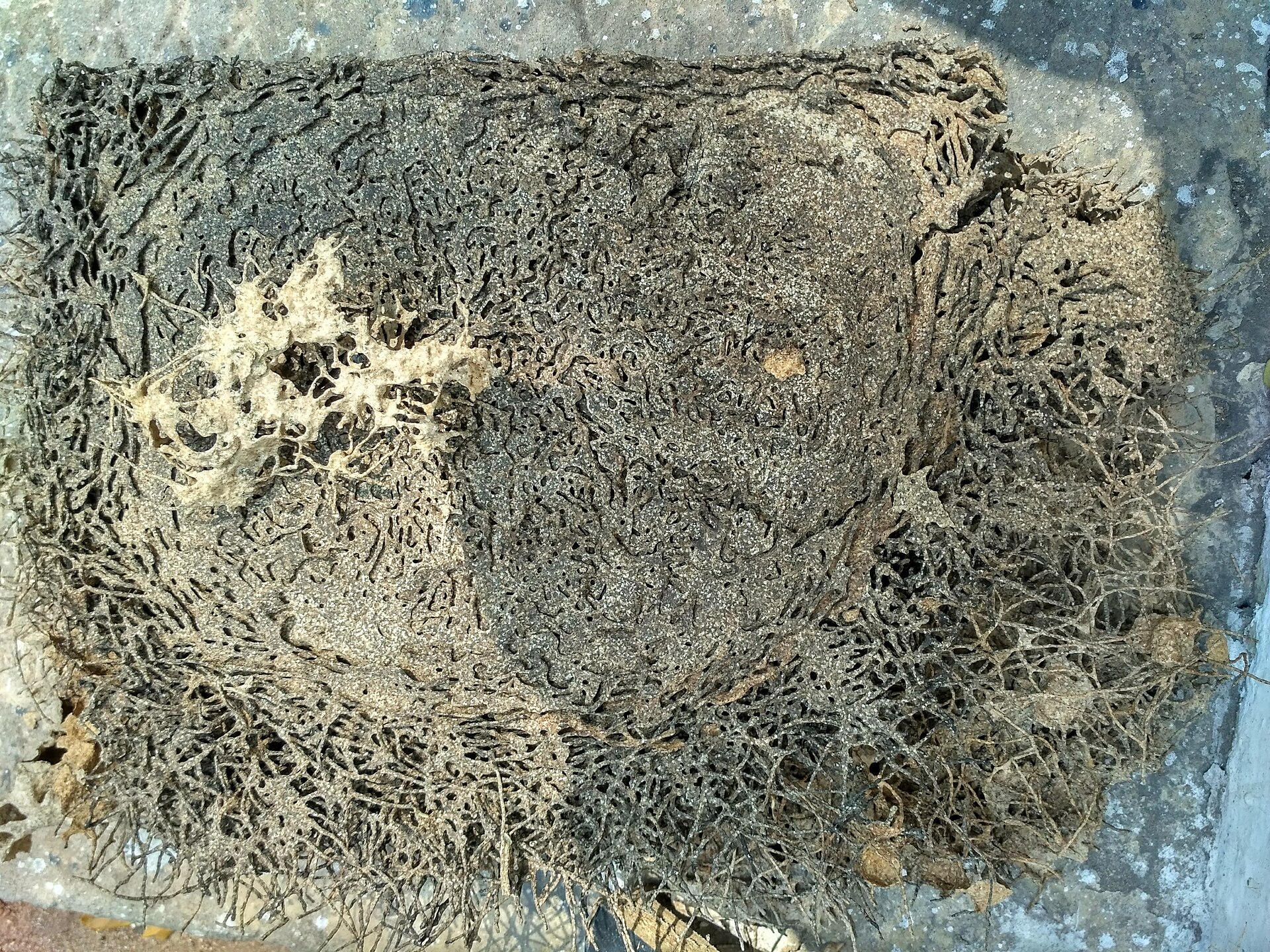
Wood can sound hollow or reveal soil-lined galleries beneath a thin, intact surface.

Winged termites have a broad waist, straight antennae, and four wings of roughly equal length.
NEW JERSEY IDENTIFICATION GUIDE
The native termites of our region are subterranean termites in the genus Reticulitermes. The eastern subterranean termite is a key species to know.
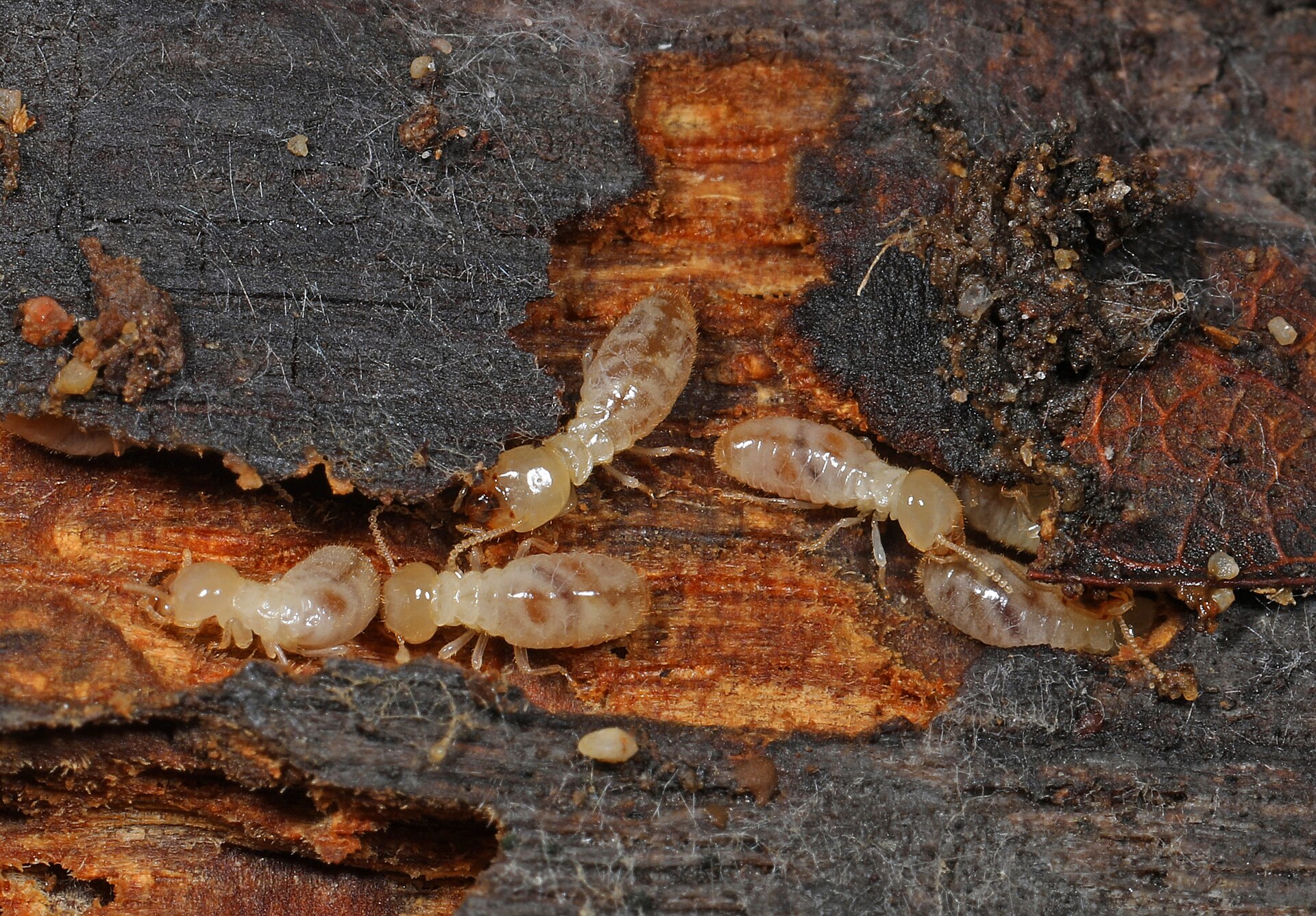
THE REGIONAL SPECIES TO RECOGNIZE
Workers forage through soil and protected tunnels to feed on cellulose. Because much of the activity is concealed, a sound inspection matters more than a quick visual guess.
A CLOSER LOOK / COLONY CASTES
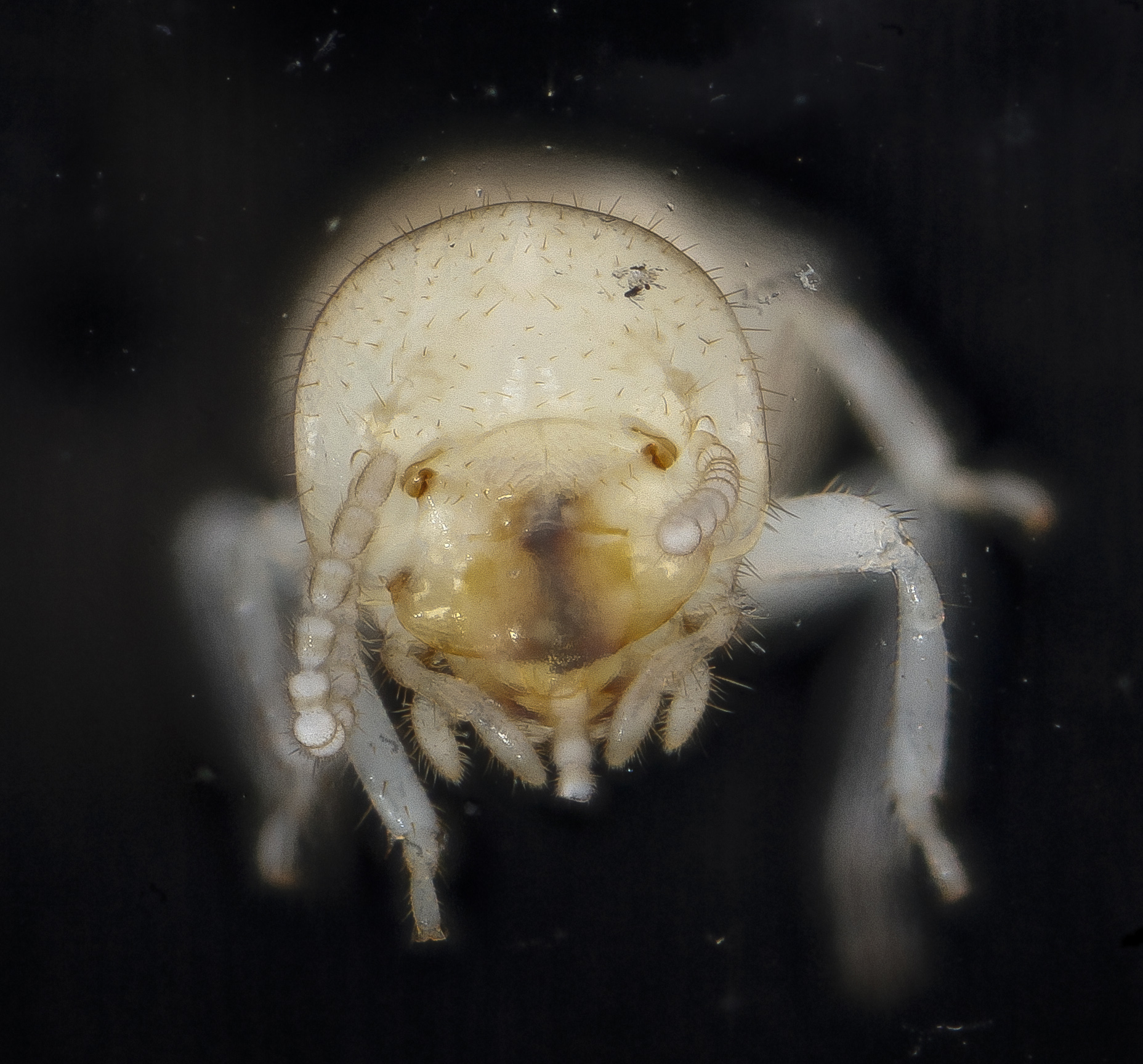
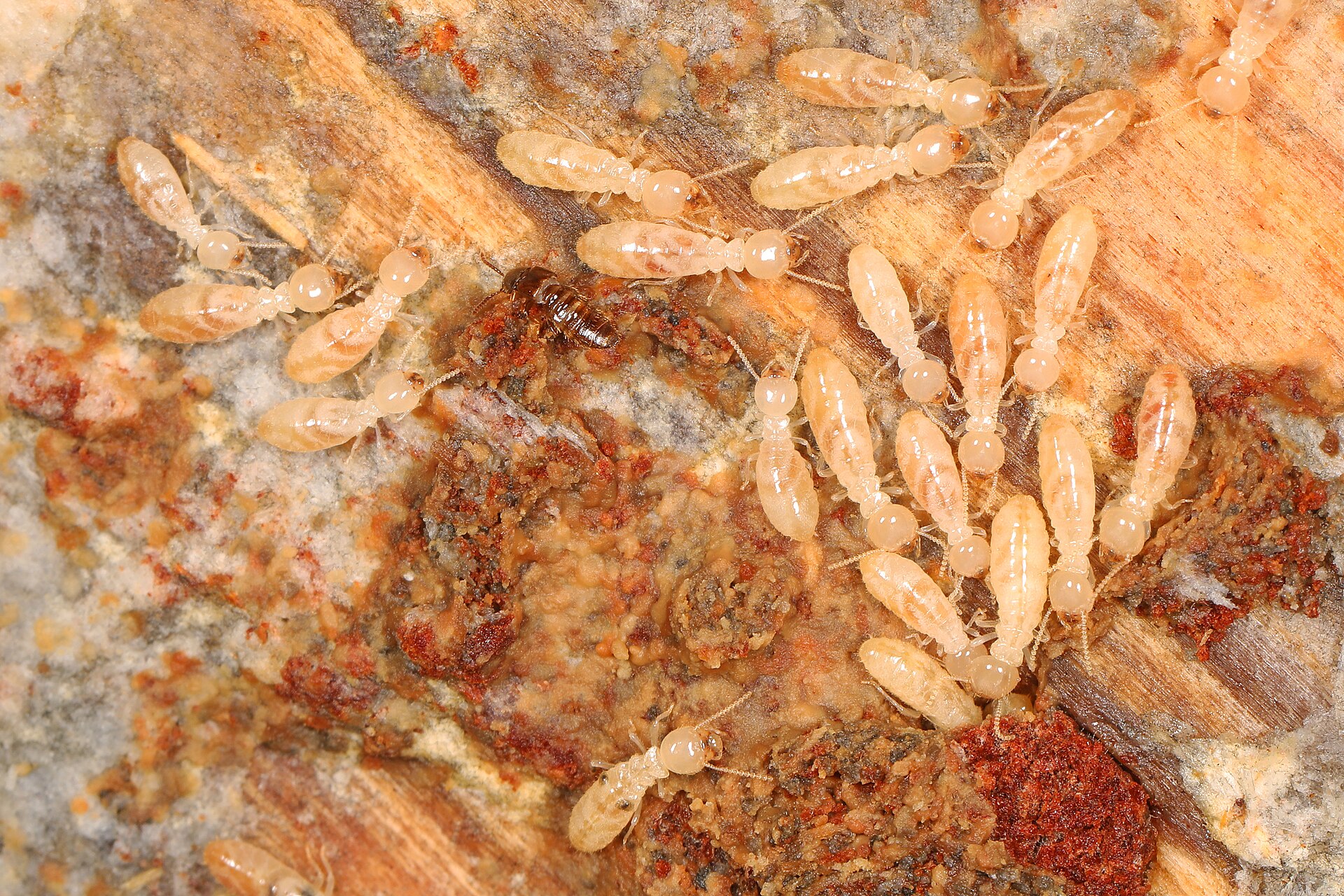
Pale, wingless termites that gather food, build tunnels, and feed other colony members.
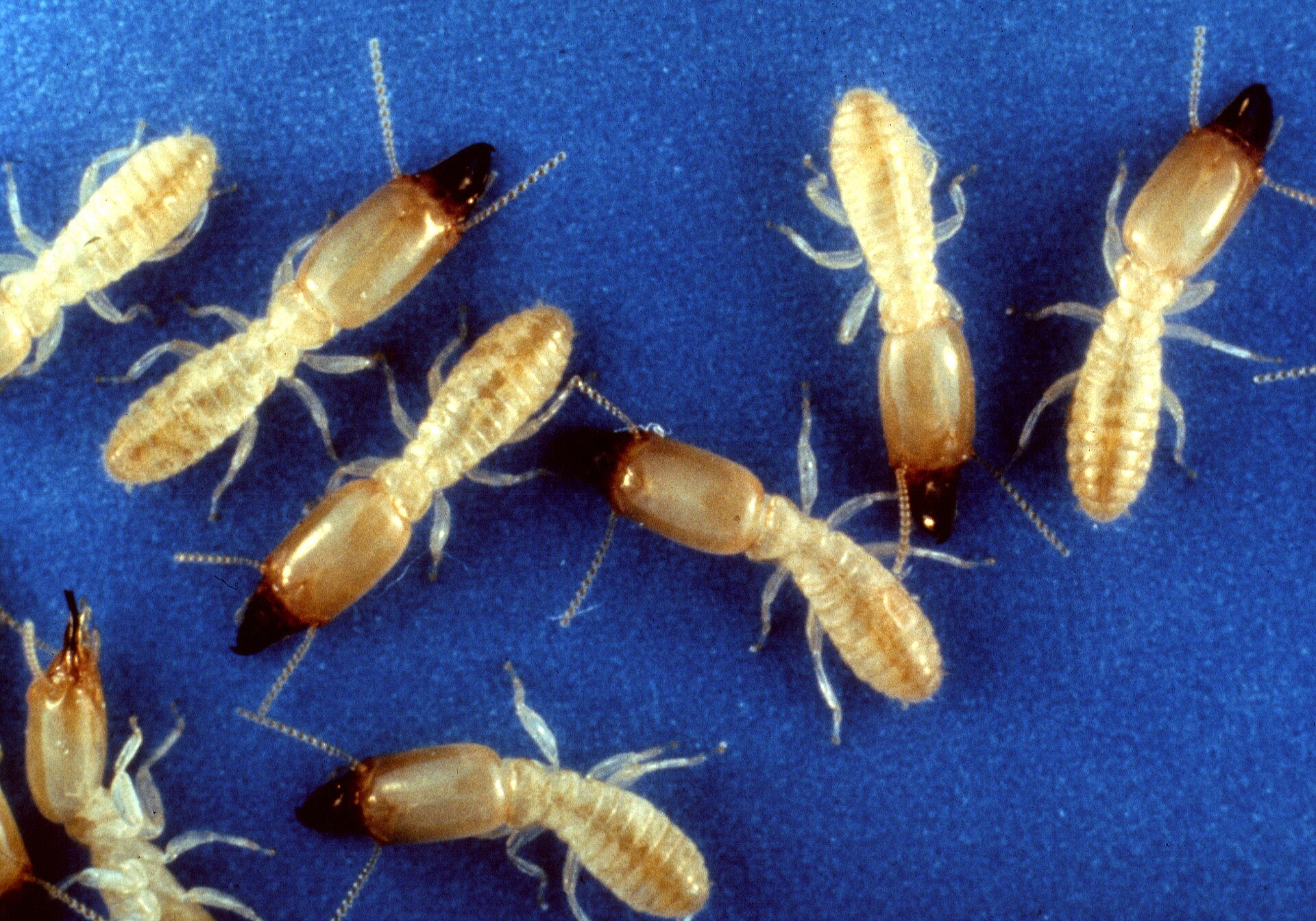
Recognizable by an enlarged head and long mandibles used to defend the colony.
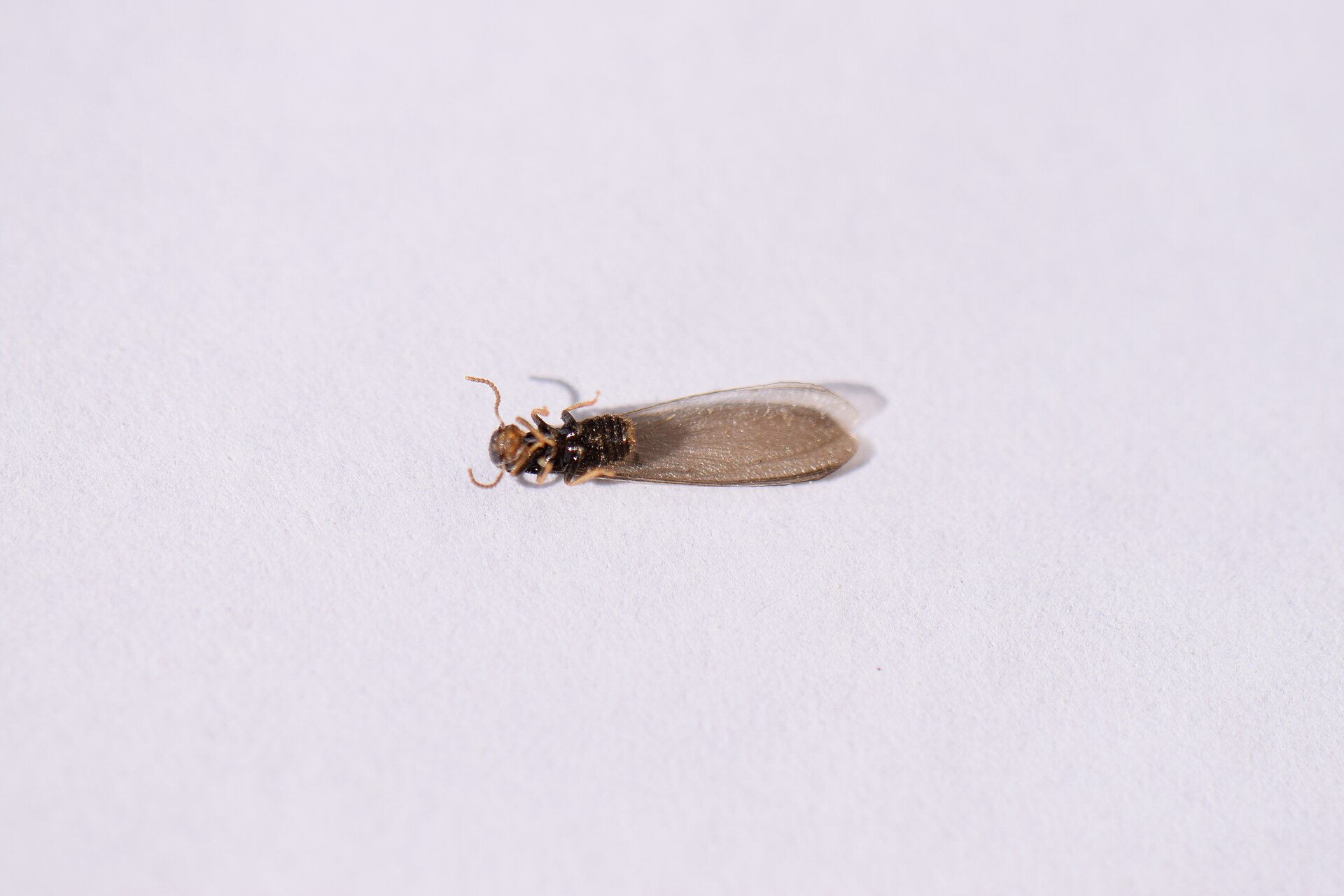
A dark, winged reproductive that may emerge in spring and later shed its wings.
Photographs show real termites and termite evidence. Species cannot reliably be confirmed from a casual sighting; we identify the activity before recommending a treatment.
HOW THEY REACH A STRUCTURE
Subterranean termites forage from the soil. Moisture, nearby cellulose, and concealed access can make a structure easier to reach.
Leaks, poor drainage, and damp soil help maintain conditions favorable to termite foraging.
Wooden posts, trim, or stored firewood touching soil can create a direct route to food.
Small cracks and utility penetrations can provide concealed access points.
These sheltered areas deserve inspection, especially when humidity and exposed wood coincide.
Noticed a tube or a swarm? Avoid relying on a photo alone to judge whether damage is old or active. A proper inspection can establish the next step.
ARRANGE AN INSPECTION →04 / THE VORIAN APPROACH
We inspect the structure and conditions, explain what we find, and recommend a termite plan suited to the property. Treatment options are based on the inspection, not guesswork.
REQUEST SERVICEReview accessible wood, foundation edges, moisture, mud tubes, and likely entry points.
Distinguish termite evidence from other wood damage and assess the conditions present.
Recommend a tailored approach, which may include baiting or soil treatment where appropriate.
Discuss drainage, wood contact, and monitoring steps that support long-term protection.