FOLLOW THE TRAIL
Watch where workers travel, especially near damp wood, plumbing, windows and roof lines.
VORIAN / CARPENTER ANT CONTROL
Carpenter ant identification and targeted control for homes across Middlesex, Union and Essex counties.
GET PROTECTED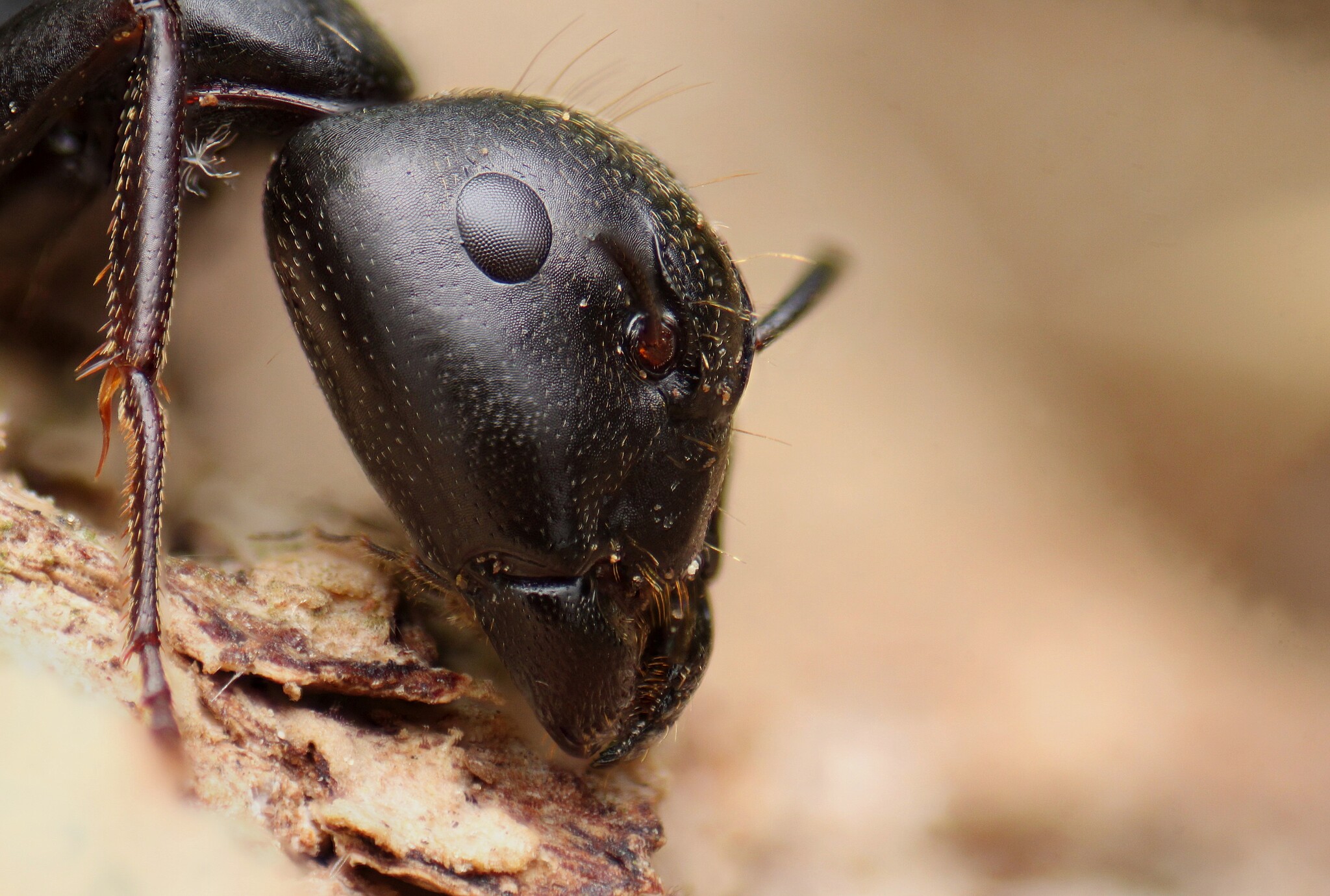
IDENTIFY THE SOURCE
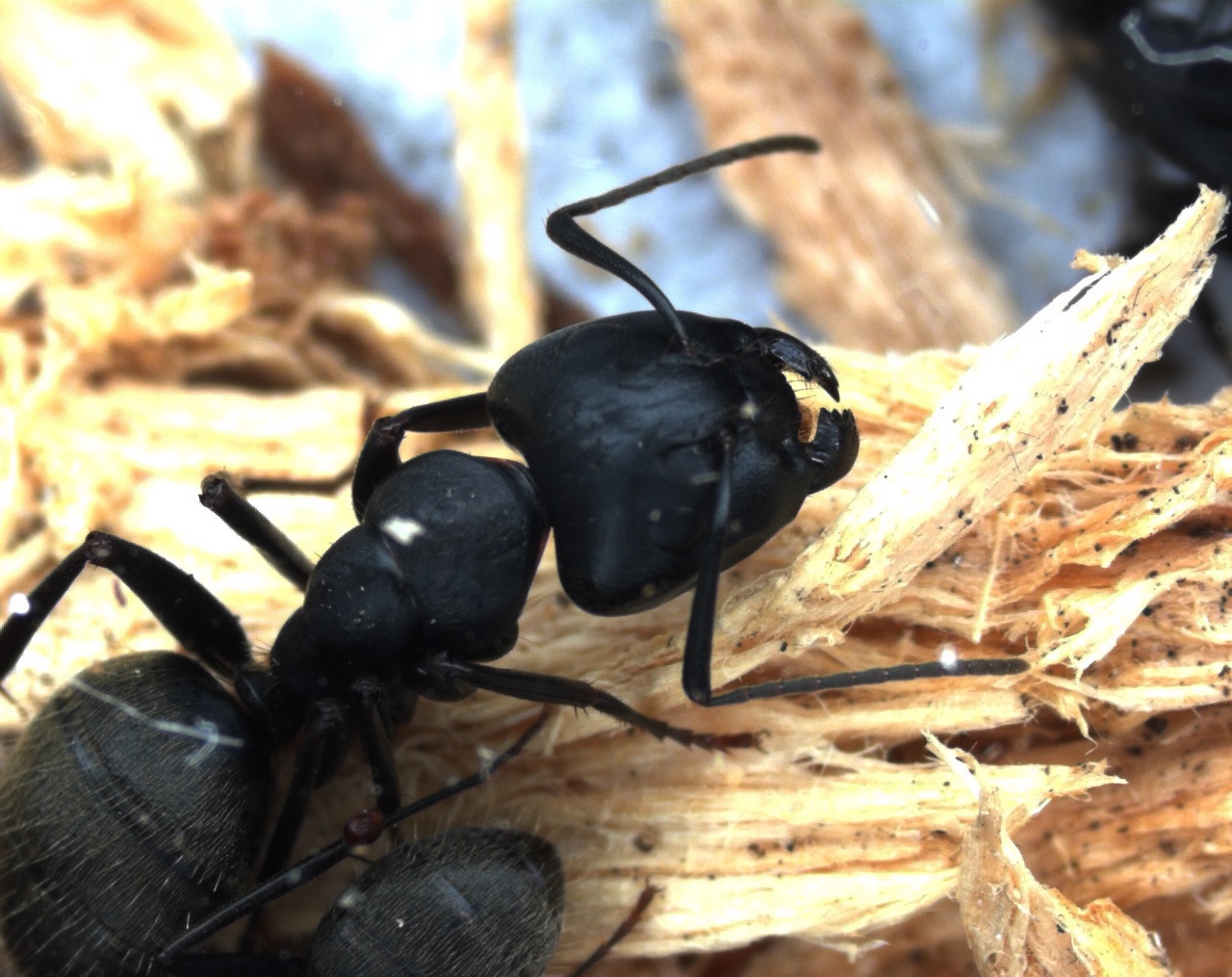
Carpenter ants nest in wood but do not eat it. Effective control starts with tracing activity, locating the nest and correcting moisture conditions that make wood easier to excavate.
Watch where workers travel, especially near damp wood, plumbing, windows and roof lines.
Coarse wood shavings and insect fragments pushed from a small opening can point toward a gallery.
Control depends on finding the colony and fixing moisture or damaged wood; surface-only treatment may miss hidden nests.
IDENTIFICATION GUIDE
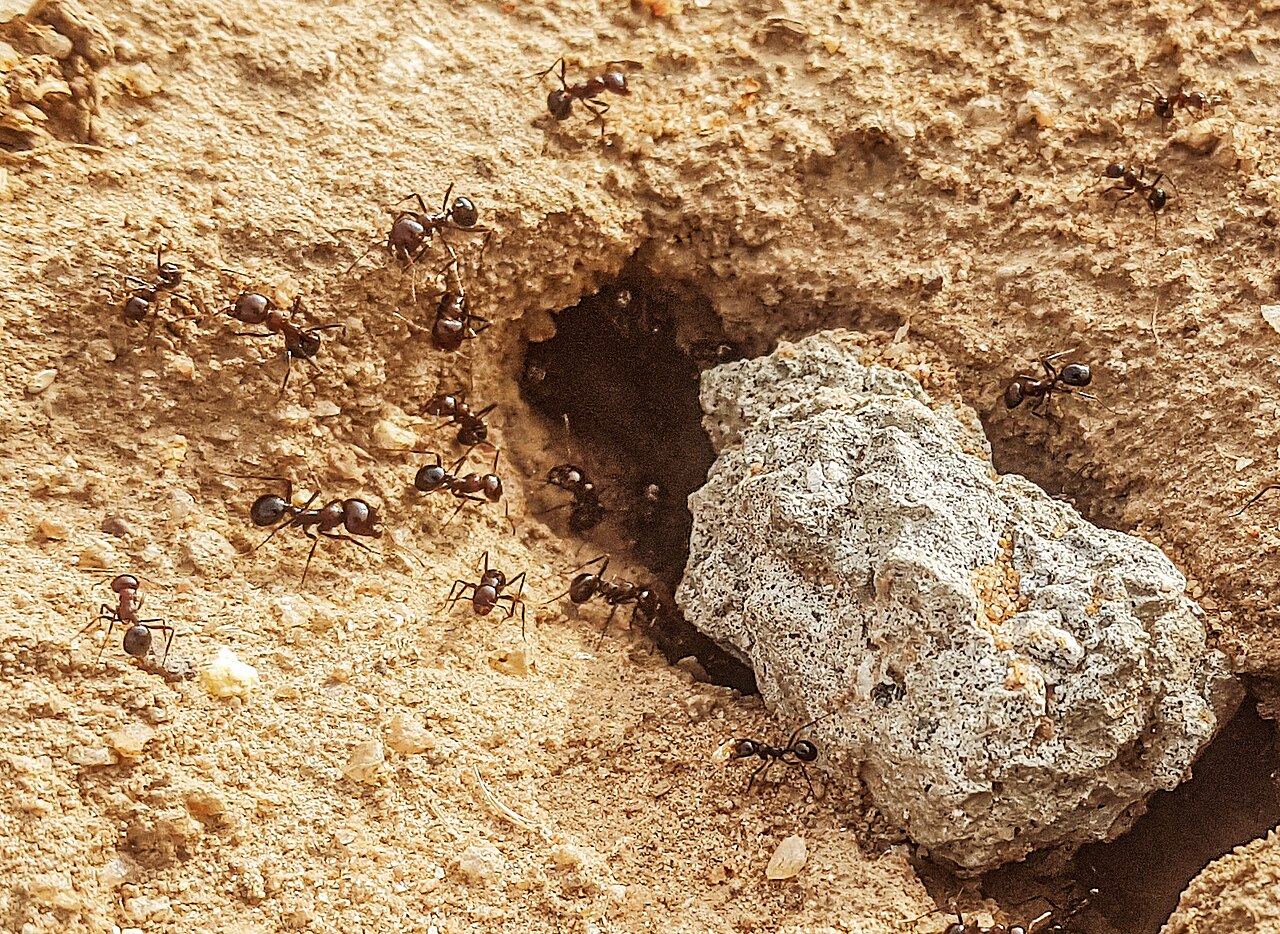
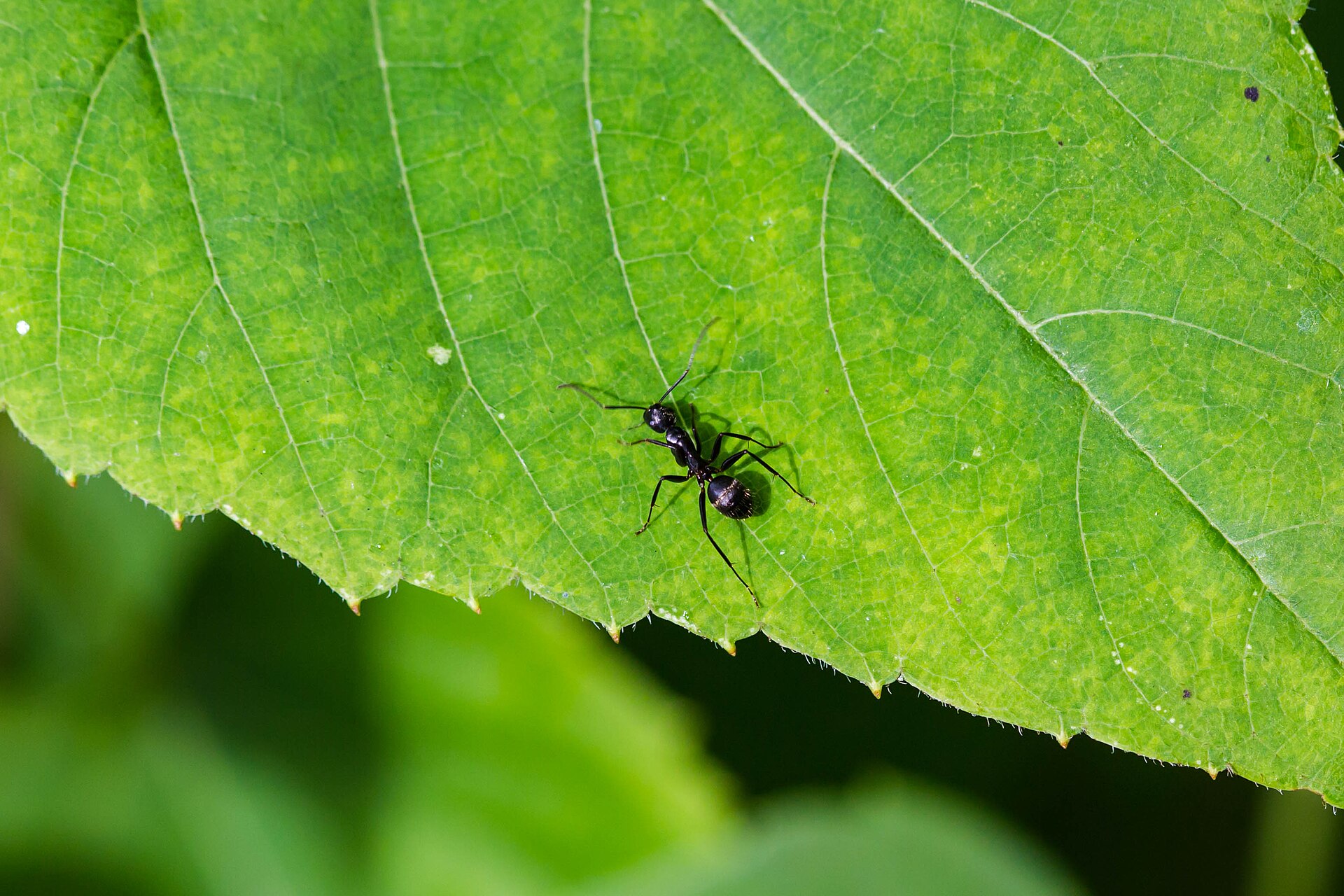
Workers are often large, with color ranging from black to reddish or a combination. Size and color vary, so a photograph alone cannot confirm the species.
WORKER / PROFILE
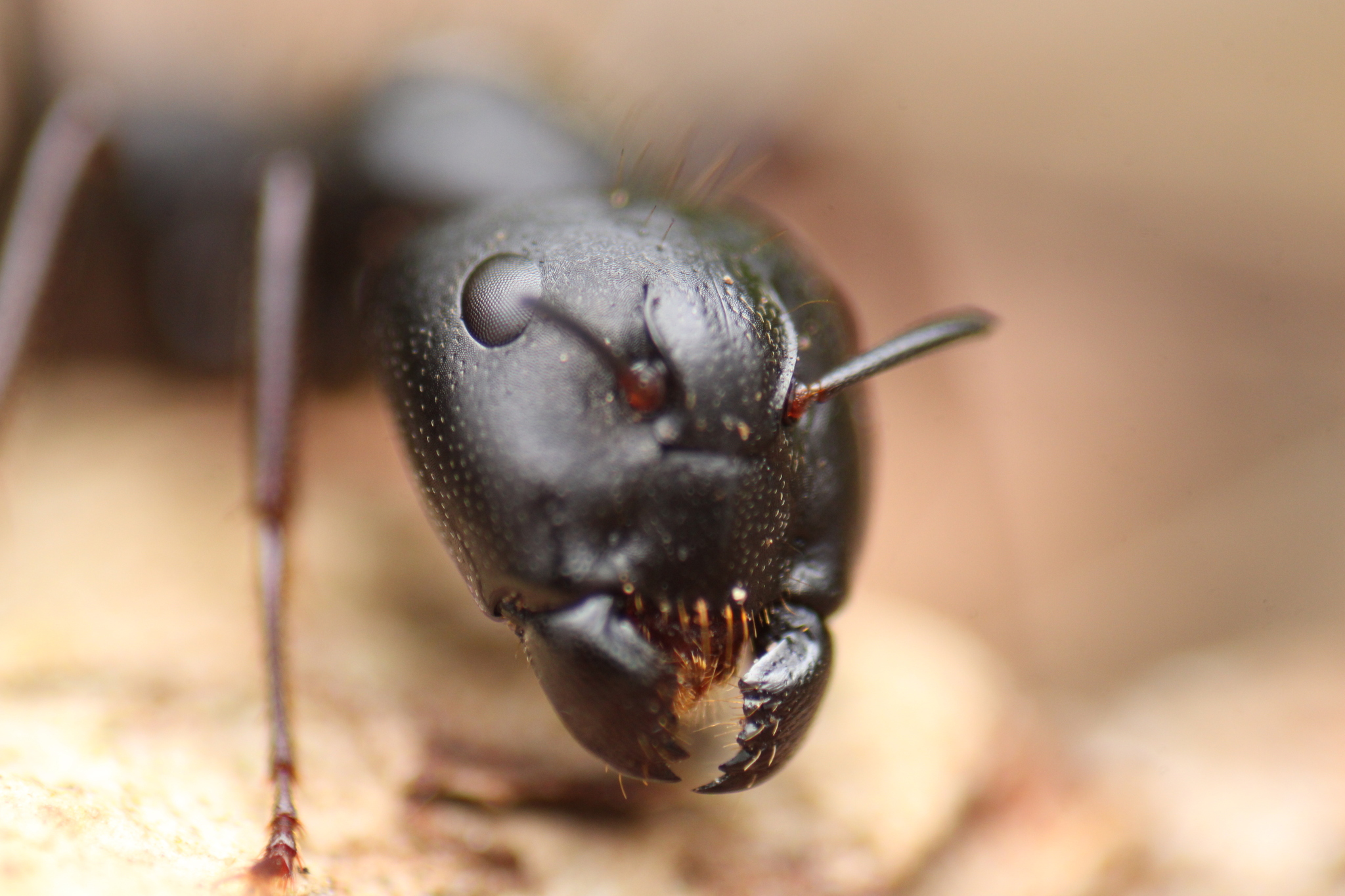
Carpenter ants have a single waist node and a smoothly rounded upper thorax when viewed from the side. Workers commonly range from about ¼ to ½ inch, depending on species.
WORKER / COLOR
Color can vary among carpenter ant species. Look for the evenly rounded thorax and one narrow waist node, then have an expert confirm the identification.
Winged ants indoors can be a sign of an established nest. Correct identification matters because ant species differ in nesting habits and control.
A COMMON QUESTION
Yes. A carpenter ant can bite with its strong jaws if it is handled or trapped against skin. It does not sting, and bites are uncommon during ordinary activity around a home.
Avoid handling ants for identification. Keep a clear photograph or specimen in a sealed container for a pest professional to review.
THE VORIAN APPROACH
We inspect the activity, identify likely nesting areas and tailor the next step to the property.
GET PROTECTED