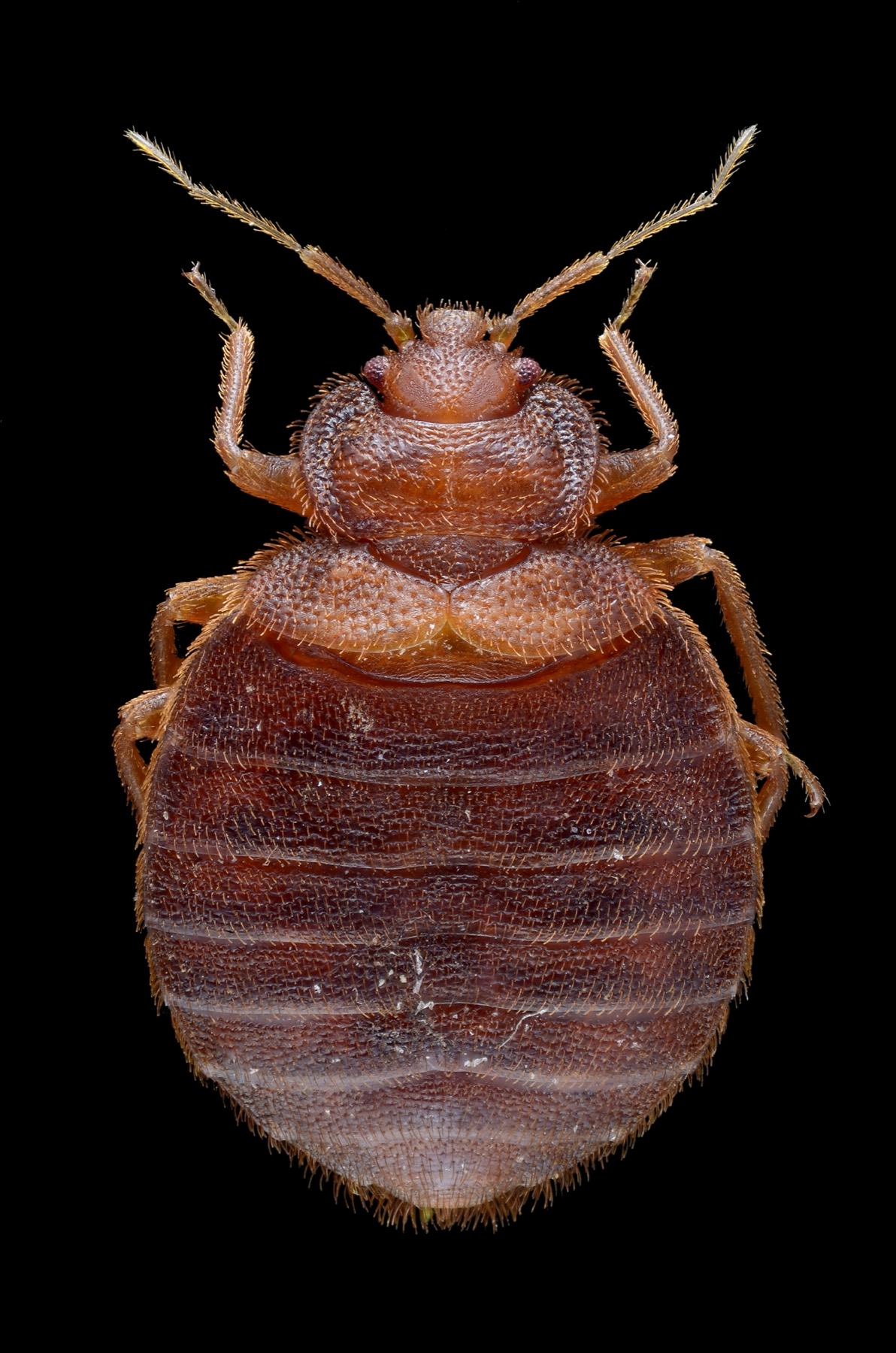
01 / ADULT
About 5–7 mm
Adults are flat, oval and reddish brown, often compared in size and shape to an apple seed.

VORIAN / BED BUG CONTROL
Careful bed bug inspections and targeted treatment for homes across Middlesex, Union and Essex counties.
GET PROTECTEDIDENTIFICATION GUIDE
Physical signs matter more than bites alone. Reactions vary, and other insects can look similar. A careful inspection helps distinguish bed bugs from other causes.
01 / ADULT
Adults are flat, oval and reddish brown, often compared in size and shape to an apple seed.
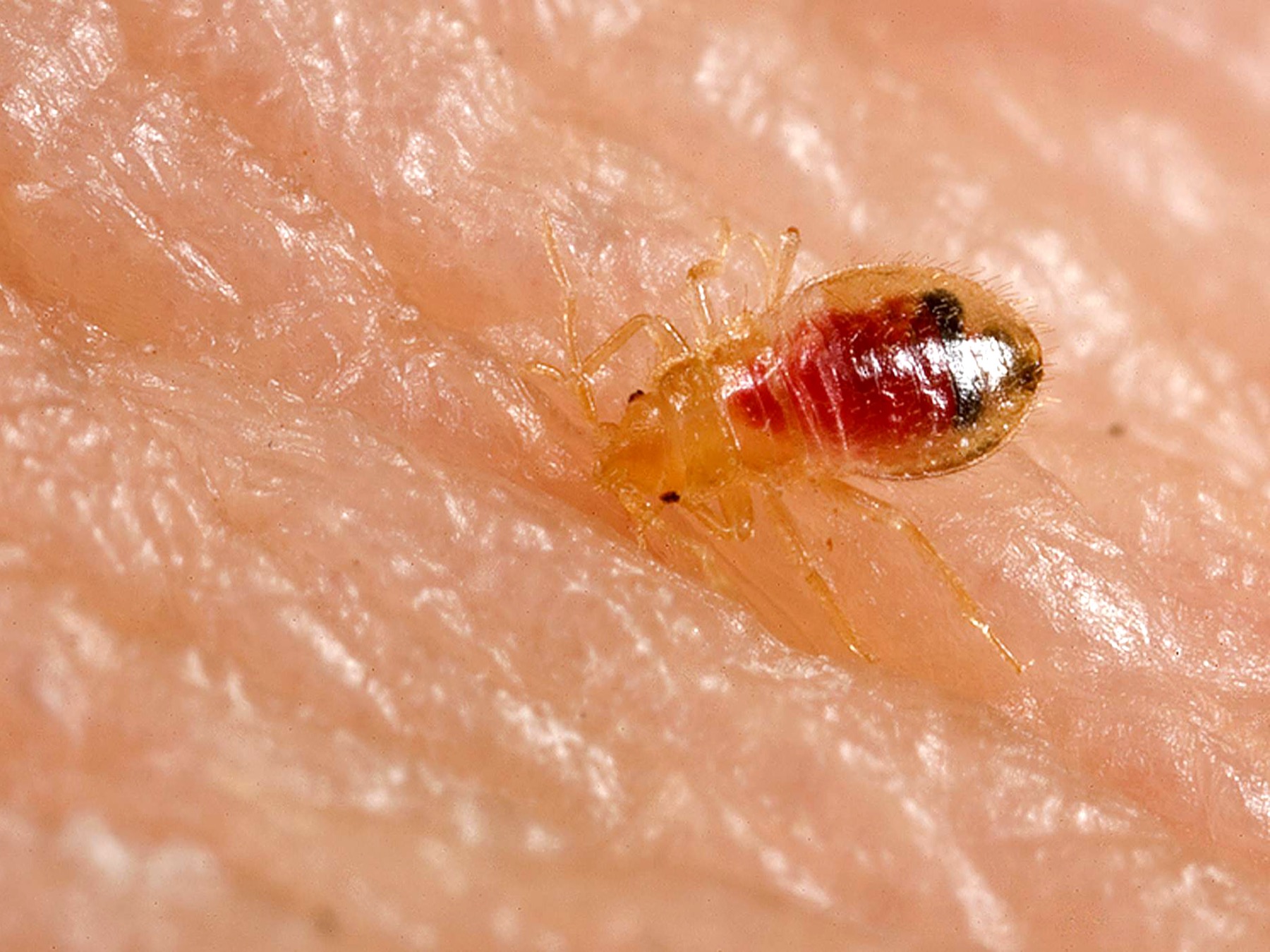
02 / NYMPH
Young bed bugs pass through five nymph stages. Each stage needs a blood meal before molting.
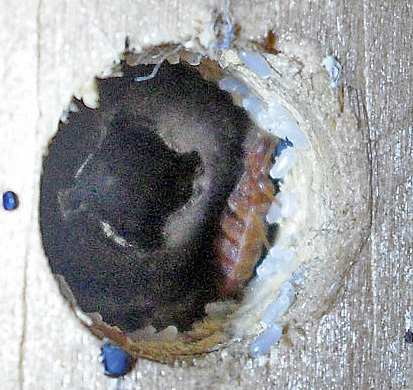
03 / EGGS
Eggs are about 1 mm long and may be attached in protected seams, cracks and crevices.
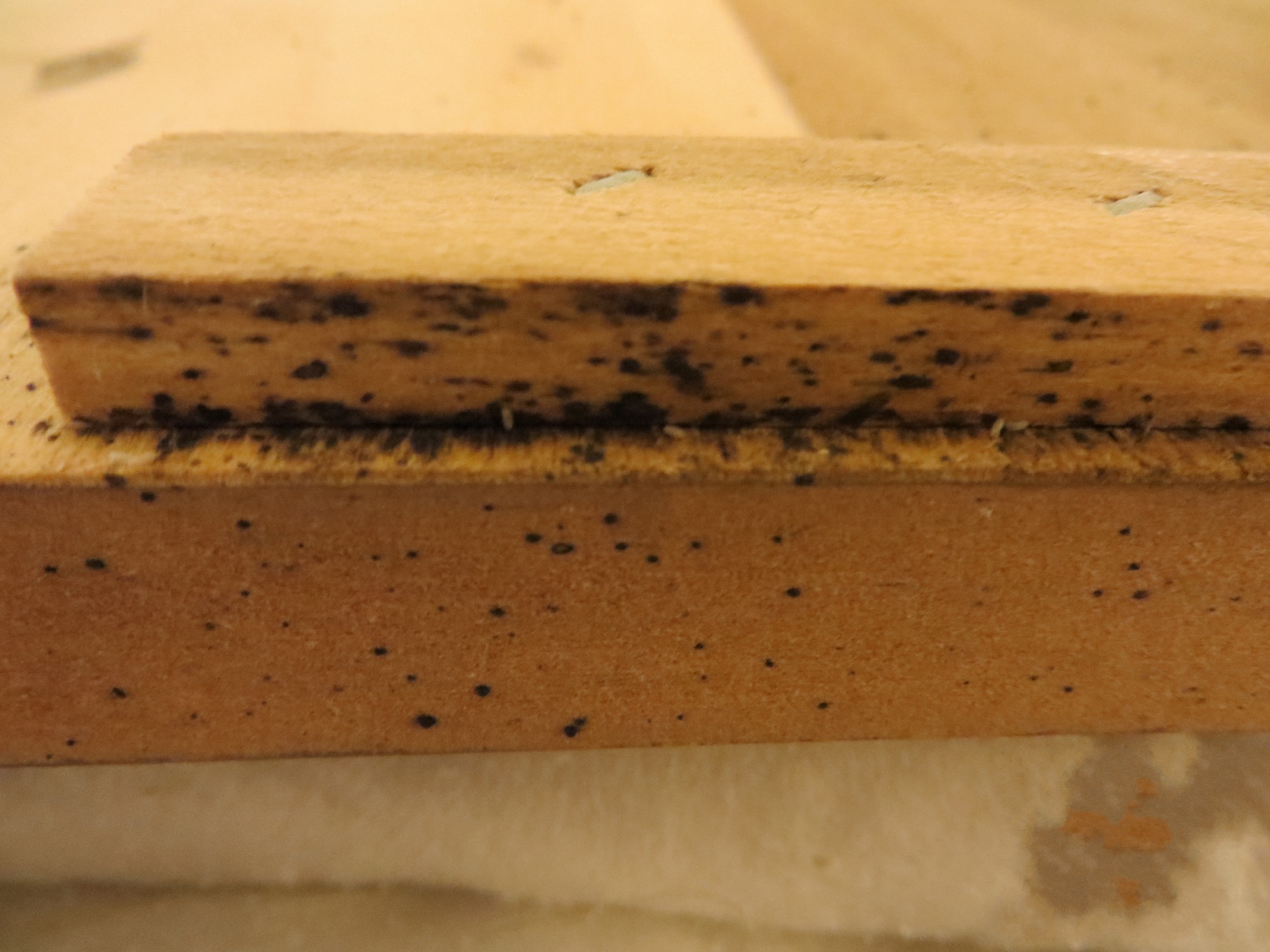
04 / OTHER SIGNS
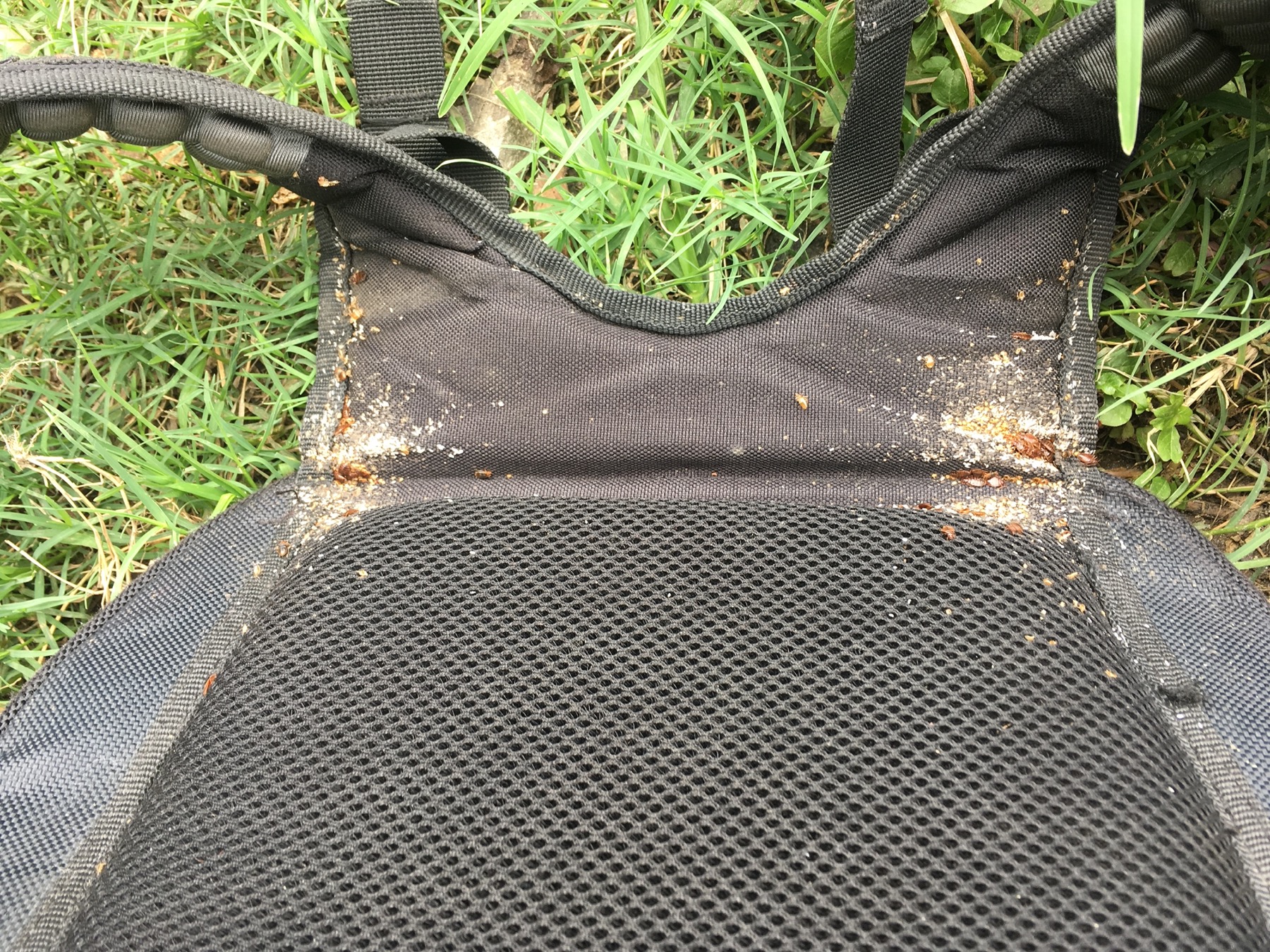
Dark fecal spots, shed skins, eggshells or rusty stains near a hiding place can indicate activity.
A bite pattern alone cannot confirm bed bugs. Identification of an insect or its traces is the reliable next step.
A THOUGHTFUL INSPECTION
Bed bugs tend to shelter close to where people sleep, tucked into narrow seams and joints. An inspection should include nearby furniture and cracks, not just the mattress.
Look along seams, tufts, piping, labels and folds.
Check joints, screw holes, brackets and small crevices.
Inspect bedside tables, upholstered furniture and stored items near the bed.
Check baseboards, wall gaps and other sheltered spaces near resting areas.
A CLEARER PATH TO CONTROL
Getting rid of bed bugs takes an organized plan: confirm the pest, prepare the affected space, use targeted treatment and monitor for activity. There is no one-step fix; the next steps depend on inspection findings.
Bag items before moving them. For suitable fabrics, a high-heat dryer cycle for 30 minutes can kill bed bugs and eggs; washing alone may not be enough.
Bed bugs shelter in seams, joints and cracks. A focused plan should use inspection findings and methods suited to the affected areas.
Check for further signs and follow the service plan. Monitoring can help identify activity missed during treatment and guide the next step.
THE VORIAN APPROACH
Bed bug management takes coordination and close attention. The right next steps depend on what the inspection finds and how the space is used.
We examine sleeping areas, nearby furnishings and likely hiding places.
We review physical evidence and define the affected areas before planning service.
We select a targeted approach for the property and the inspection findings.
We explain monitoring and follow-up steps so you know what comes next.
A MORE CONSIDERED STANDARD
A careful inspection is the first step toward a clear, property-specific bed bug plan.
GET PROTECTED