Remove webs
Vacuum accessible webs and egg sacs in corners and storage areas, then empty the vacuum outdoors.

VORIAN / SPIDER CONTROL
Thoughtful identification, web removal and prevention for homes and businesses across Middlesex, Union and Essex counties, New Jersey.
REQUEST SERVICE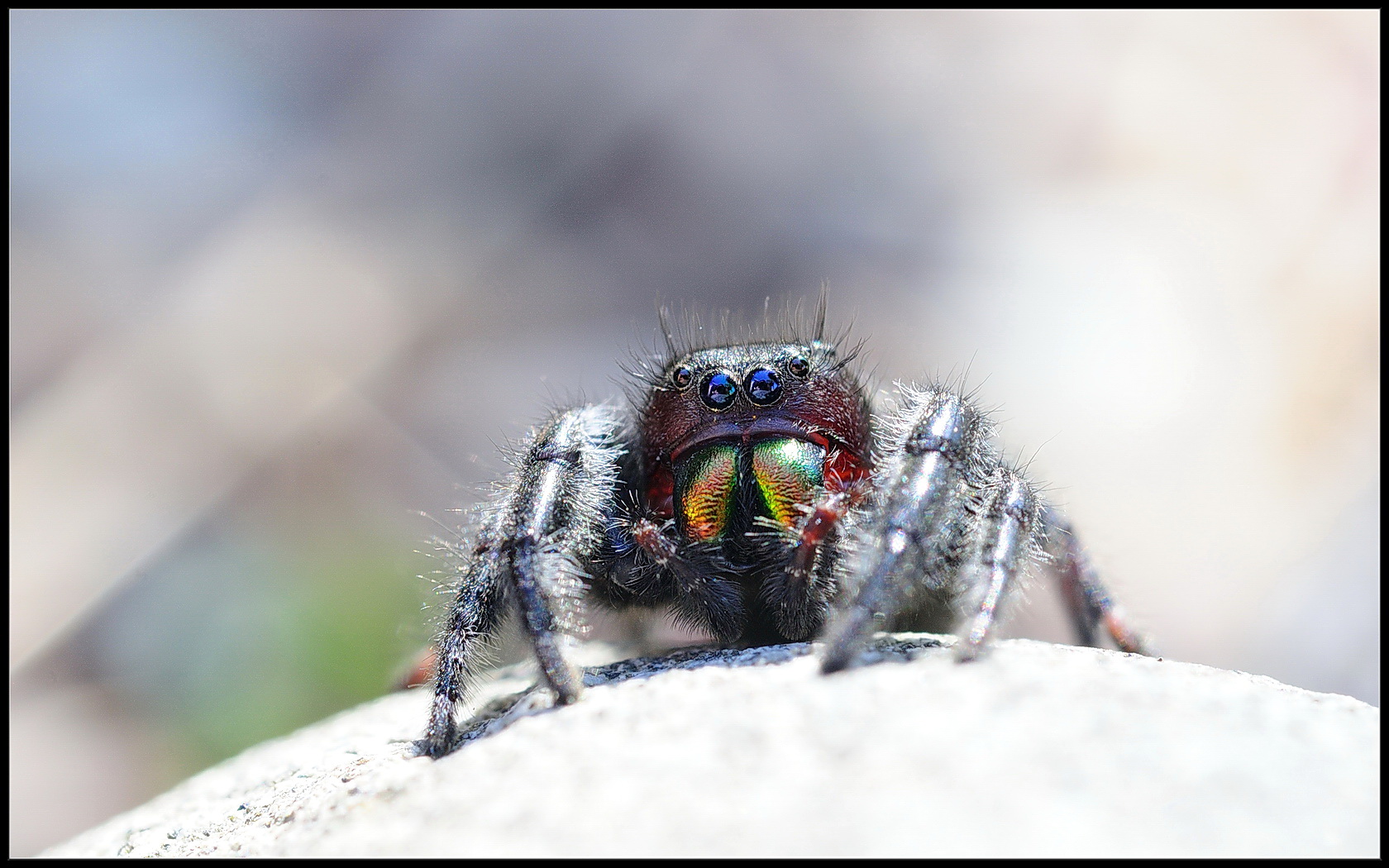
A PRACTICAL HOME GUIDE
The strongest first steps are simple: remove webs and egg sacs, reduce sheltered clutter, close entry gaps and address the insects that attract spiders. Most spiders help control other pests outdoors.
Vacuum accessible webs and egg sacs in corners and storage areas, then empty the vacuum outdoors.
Repair screens and seal gaps around doors, windows, pipes and exterior walls.
Organize stored items and keep firewood, debris and dense vegetation away from the structure.
Manage insects around entryways and outdoor lights where practical; spiders follow available prey.
READ THE ROOM
Some spiders enter through small openings or arrive with stored materials. Quiet rooms, undisturbed objects and nearby insect prey give them places to settle. A single visitor is different from recurring webs in the same location.
Basements, garages, window edges and storage rooms offer protected places for web builders such as common house and cellar spiders.
Wolf and jumping spiders often hunt without capture webs. Orb-weavers and crab spiders are more likely to be noticed among plants and outdoor insects.
SEVEN TYPES TO KNOW
Spiders are arachnids with eight legs, not insects. These seven groups can be found in or around New Jersey homes and yards. The real photographs below show examples, not a substitute for specimen-level identification.
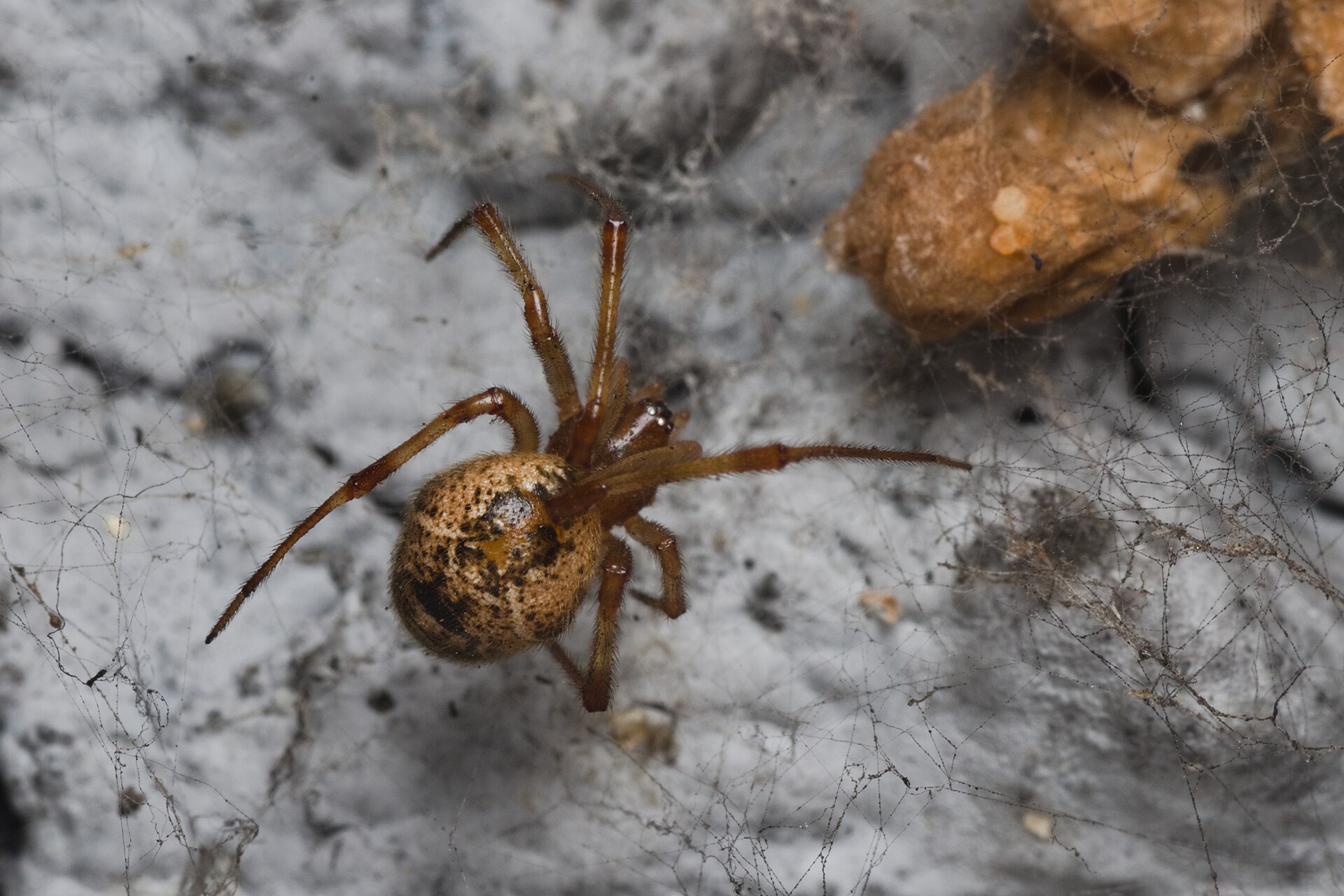
Builds irregular, tangled webs in quiet corners, garages, basements and near windows.
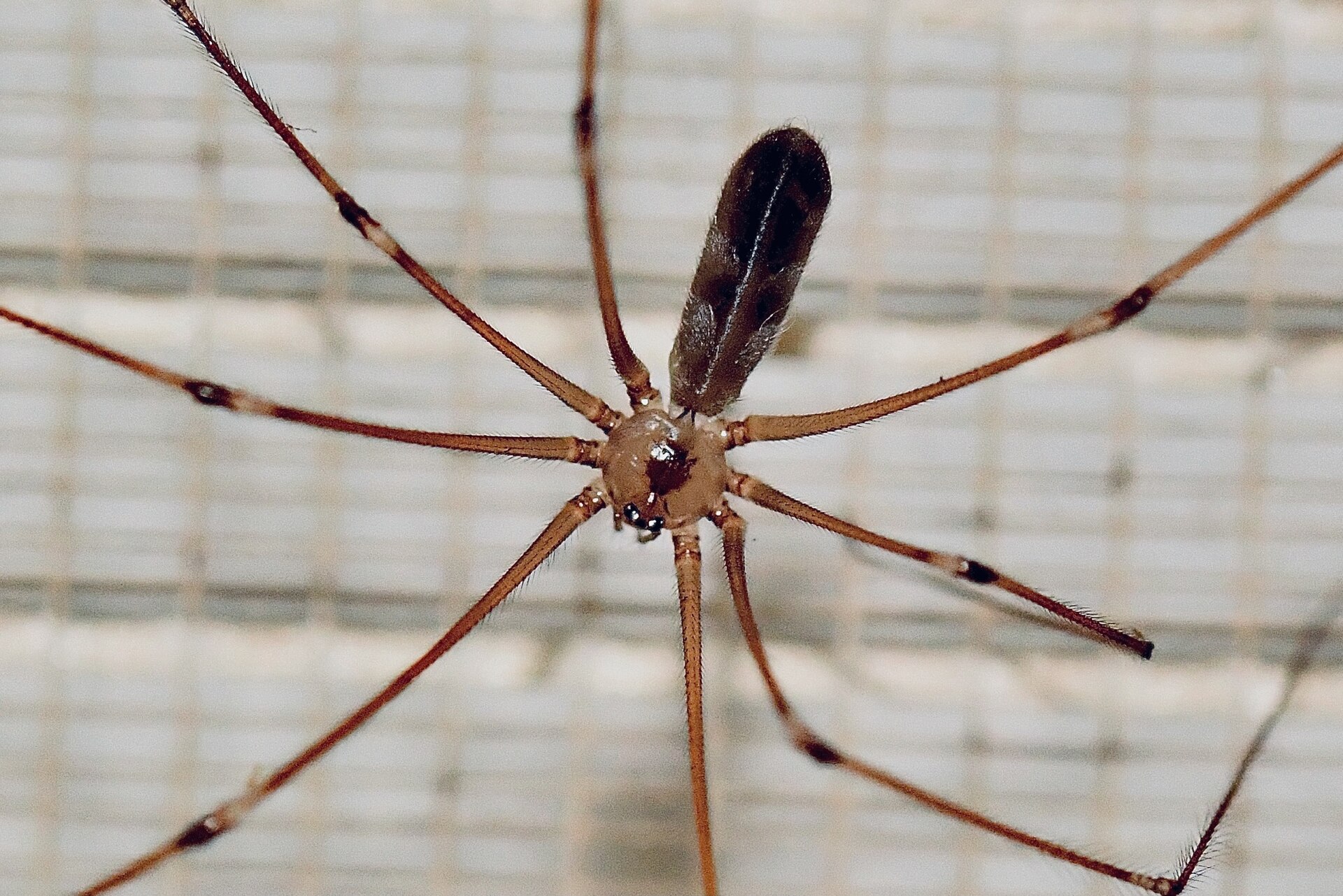
Very long legs and loose webs help identify these spiders in basements, garages and other undisturbed areas.
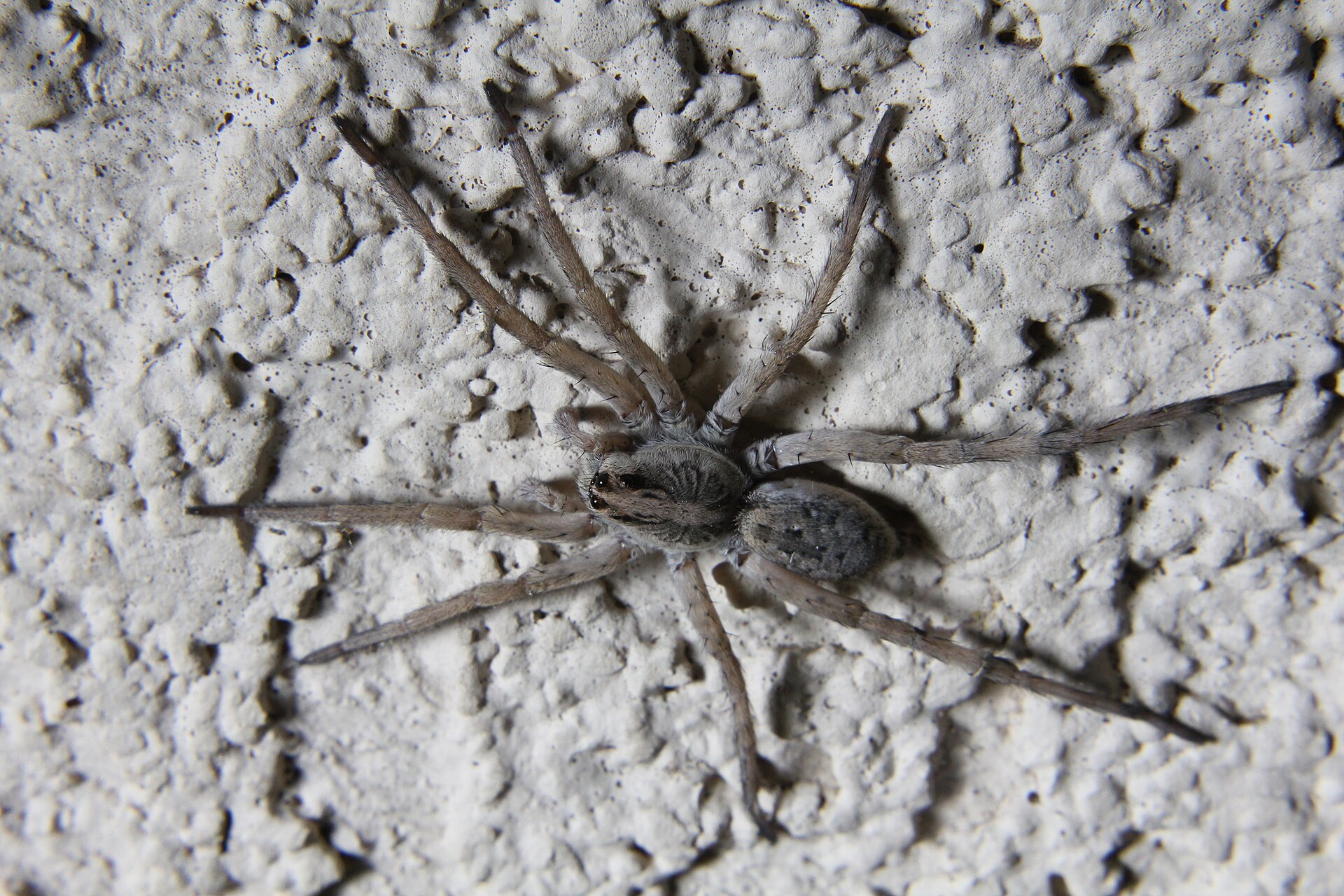
Ground hunters that pursue prey instead of using a capture web. They may wander indoors from lawns or gardens.
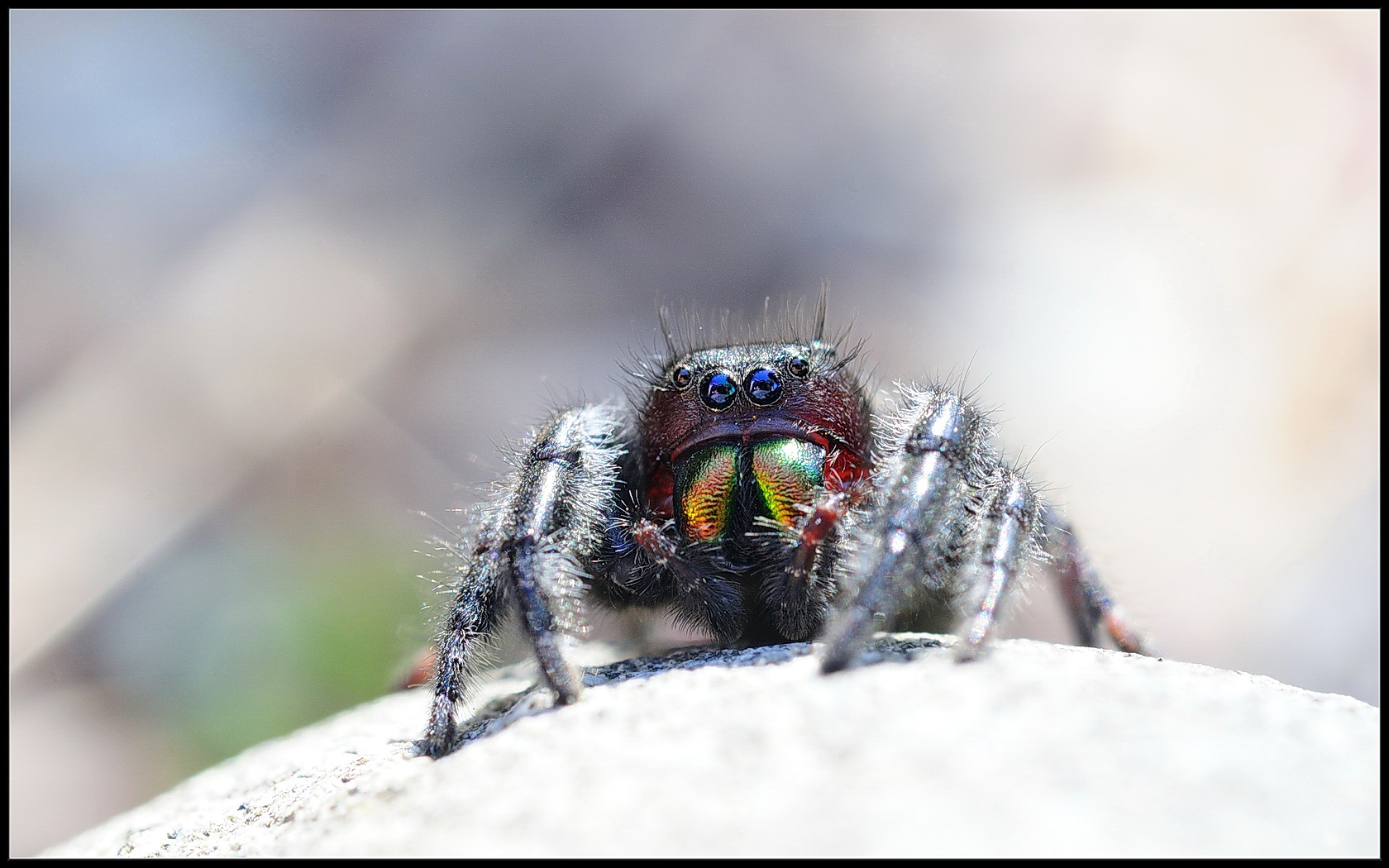
Compact, alert hunters with prominent front eyes. Often active by day on walls, windows and plants.
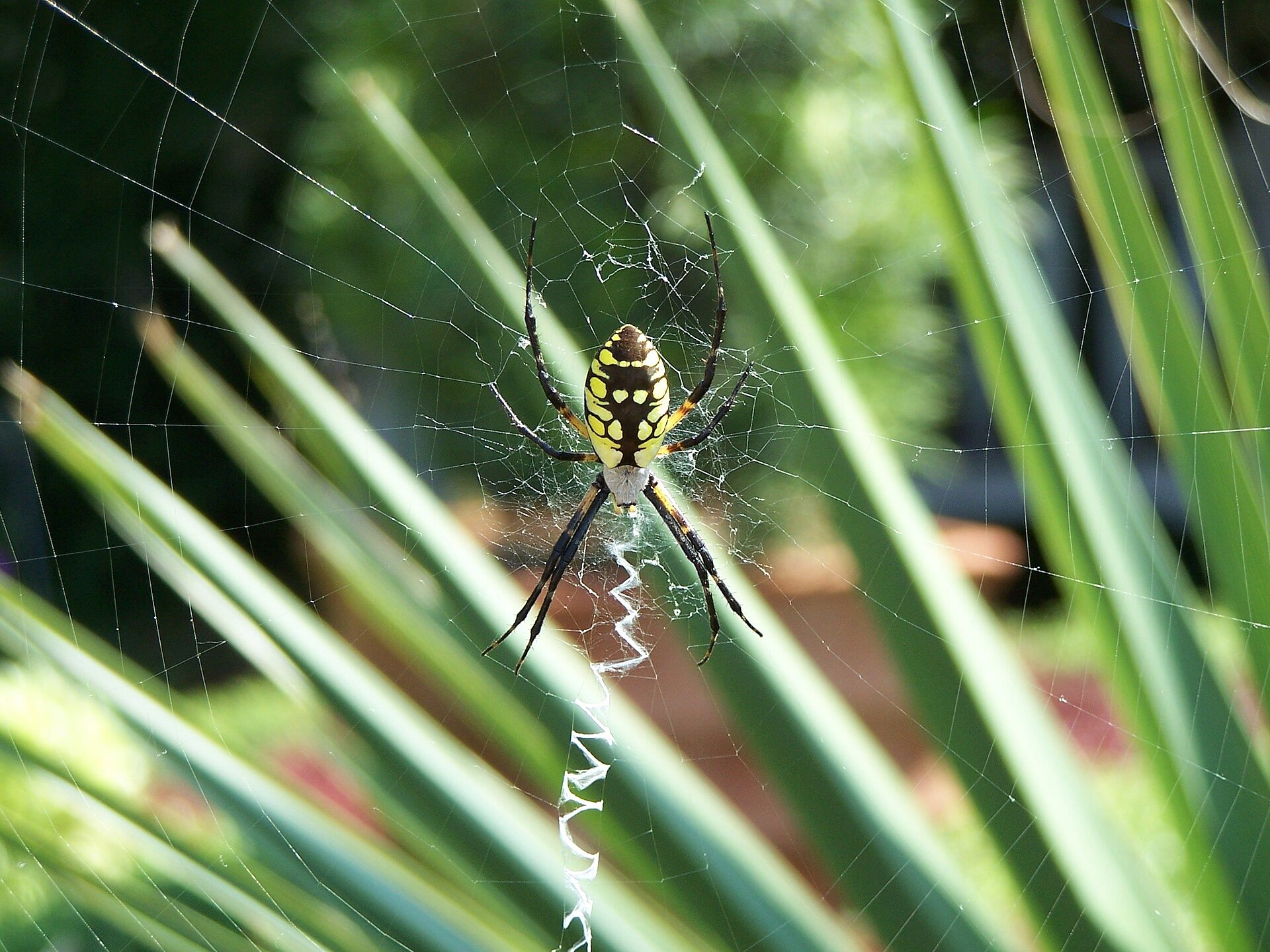
Known for circular webs in gardens, shrubs and other outdoor spaces where flying insects pass.
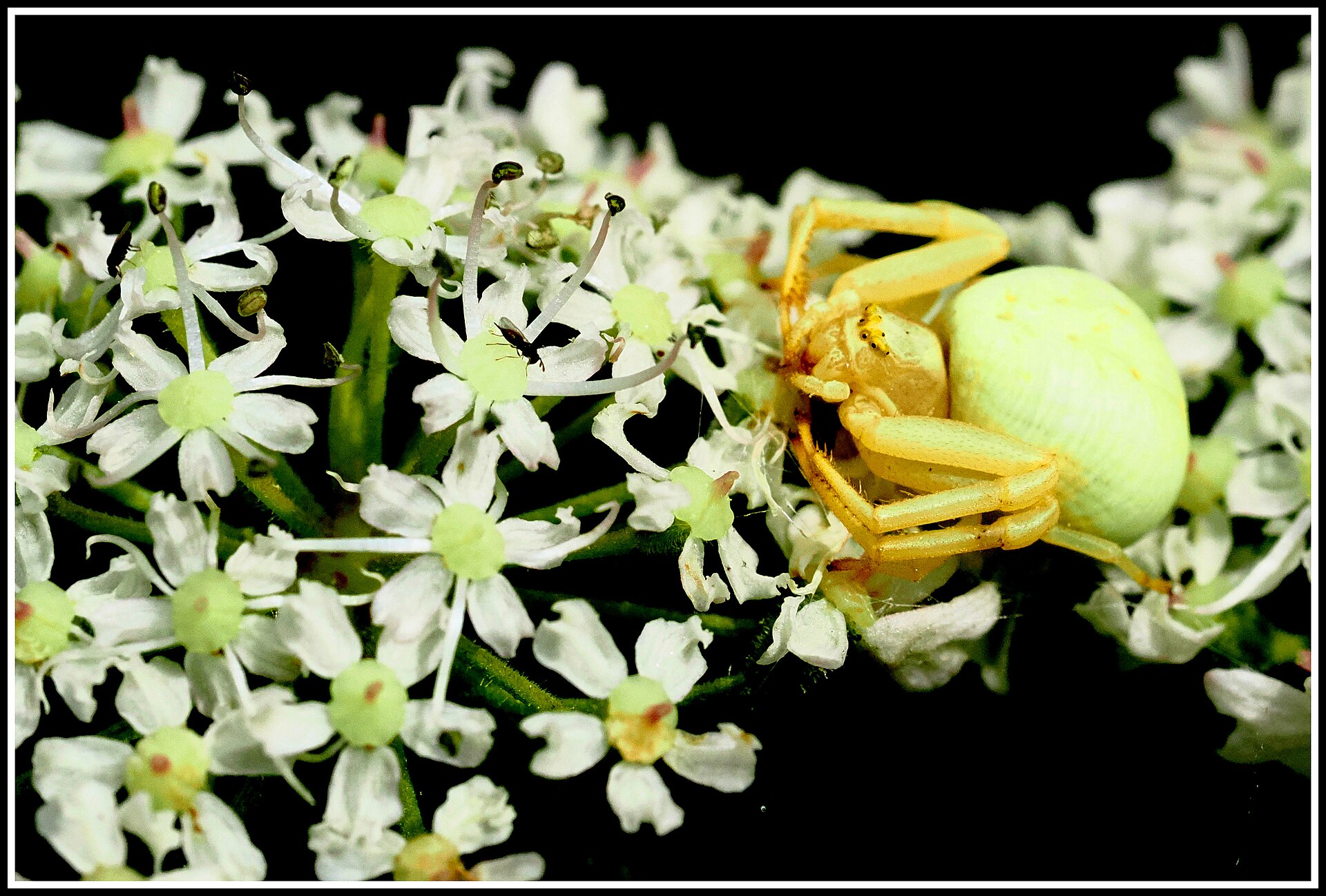
Often wait on flowers for prey and can move sideways. They do not build capture webs.
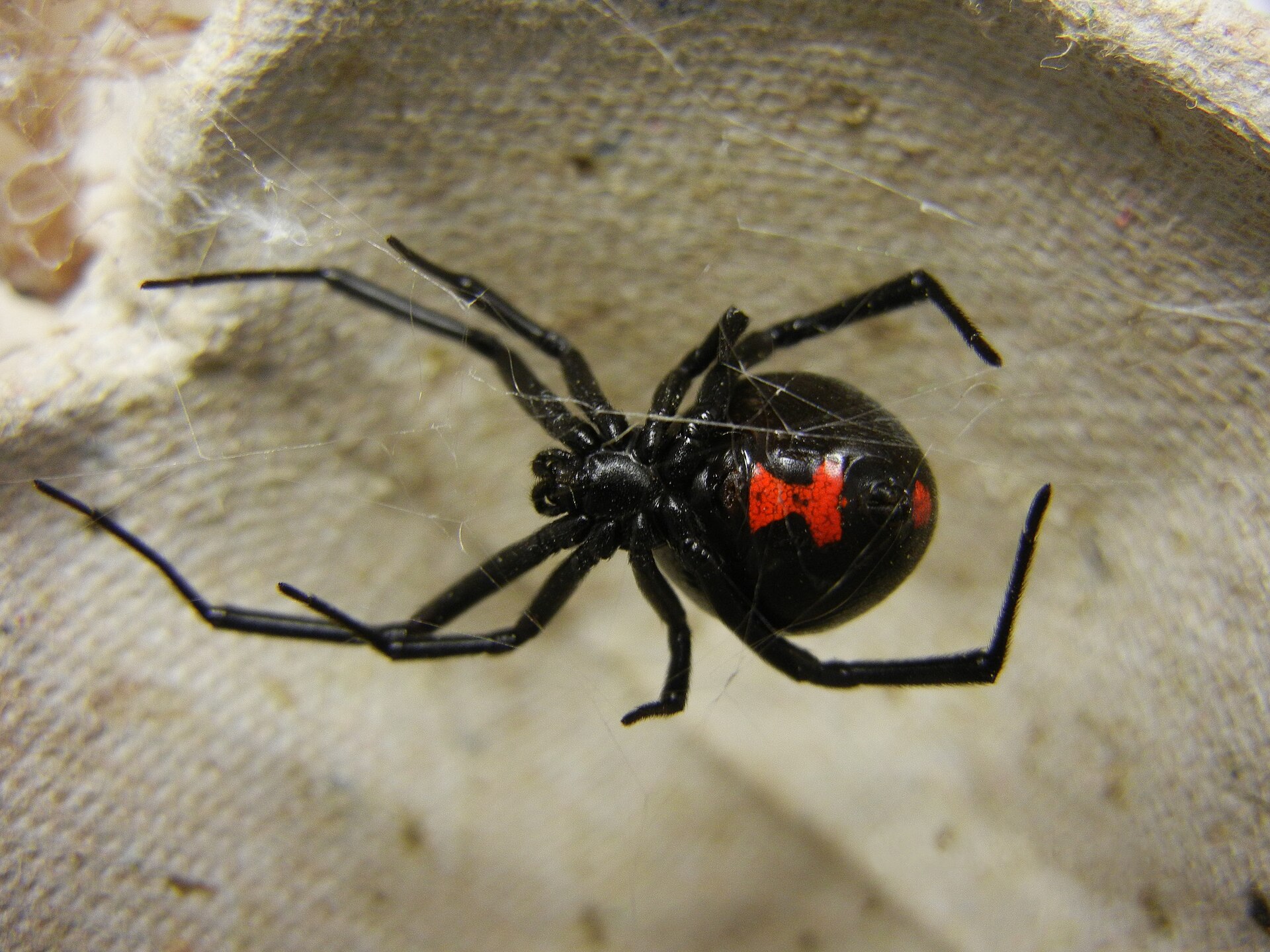
Black widows occur in New Jersey but are encountered less often in living spaces. Females can be glossy black with a reddish mark on the underside. Look in dark, undisturbed spots such as sheds, woodpiles, garages and crawl spaces. Avoid handling an unfamiliar spider; request identification if you are unsure.
QUESTIONS FROM HOMEOWNERS
Clear answers to common searches after a spider appears indoors.
Most spiders around homes pose little risk and avoid people. Black widows are present in New Jersey and deserve careful identification. Avoid handling an unknown spider.
Spider bites are uncommon. A spider may bite if trapped against skin or handled, so moving one with a container is safer than touching it.
Windows and exterior lights can attract flying insects, which attract spiders. Check screens and gaps, remove recurring webs and look at the nearby insect activity.
Seal exterior openings, repair screens, reduce clutter and vacuum webs and egg sacs. If sightings continue in the same area, an inspection can identify the conditions supporting them.
THE VORIAN APPROACH
A precise inspection shapes a response suited to the spider and the property.
Vorian reviews webbing, egg sacs, likely harborage, entry gaps and insect activity. We recommend practical removal and exclusion steps, then use targeted treatment only when inspection supports it and the product label allows it.
REQUEST SERVICEDistinguish the spider and its web or hunting pattern.
Find sheltered sites, entry points and prey insects.
Address webs, egg sacs, clutter and exterior gaps.
Focus any warranted treatment on suitable sites.
Research: Rutgers Cooperative Extension, Spiders of Medical Importance; Penn State Extension, Commonly Encountered Pennsylvania Spiders; Penn State Extension, Spiders of the Northeast. Photography: Tdlucas5000, jumping spider and hero (CC BY-SA 4.0); Gower, common house spider (CC BY-SA 4.0); rober025, cellar spider (CC BY 4.0); Samuriah, wolf spider (CC BY-SA 3.0); Lonnie Huffman, orb-weaver (CC BY 3.0); Pete Beard, crab spider (CC BY 2.0); Shenrich91, black widow (CC BY-SA 3.0). Photographs cropped for layout; specimens are not shown at natural size.