Find the activity
Check basements, garages and sheltered areas for crickets and possible entry routes.

VORIAN / CRICKET CONTROL
Professional cricket control for homes and businesses across Middlesex, Union and Essex counties.
REQUEST SERVICE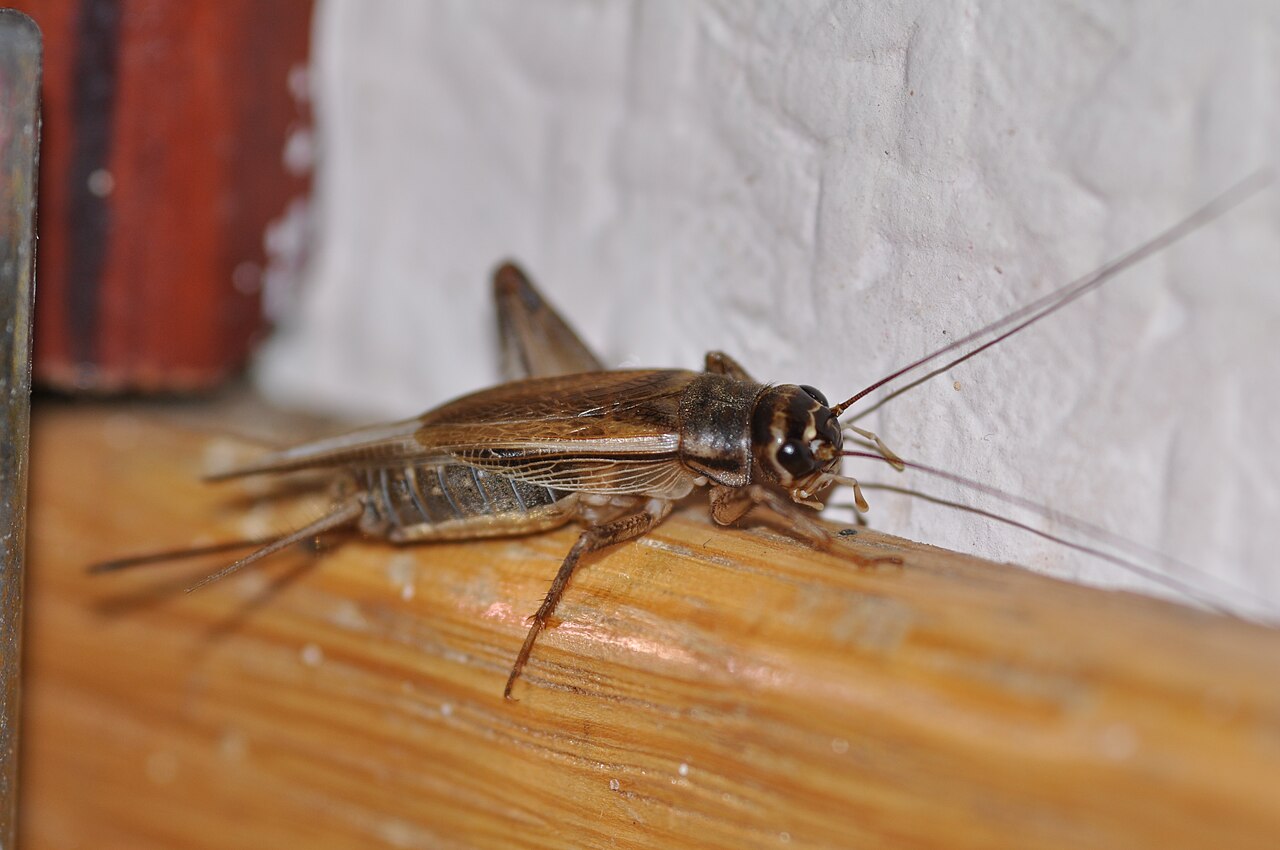
A PRACTICAL HOME GUIDE
Start by identifying the activity and the conditions drawing crickets inside. Sealing openings, addressing moisture and reducing nearby hiding places can help make your home less inviting.
Check basements, garages and sheltered areas for crickets and possible entry routes.
Repair leaks and address damp conditions, especially in basements and crawl spaces.
Repair screens, fit door sweeps and close gaps around pipes and foundations.
Keep outdoor debris and vegetation away from the foundation and organize storage areas.
UNDERSTANDING THE SOURCE
Crickets can enter through small openings as conditions change outdoors. Their preferred shelter varies: camel crickets favor cool, damp places, while house and field crickets are often attracted to outdoor lights.
Open doors, damaged screens and gaps around foundations or utilities provide access.
Damp, dark basements and crawl spaces can provide suitable hiding places.
House and field crickets may gather near lights around doors and windows.
Leaf litter, firewood and dense vegetation offer shelter close to the building.
IDENTIFICATION GUIDE
House, field and camel crickets can be encountered in and around buildings. Their appearance and habits provide clues that help guide the right response.
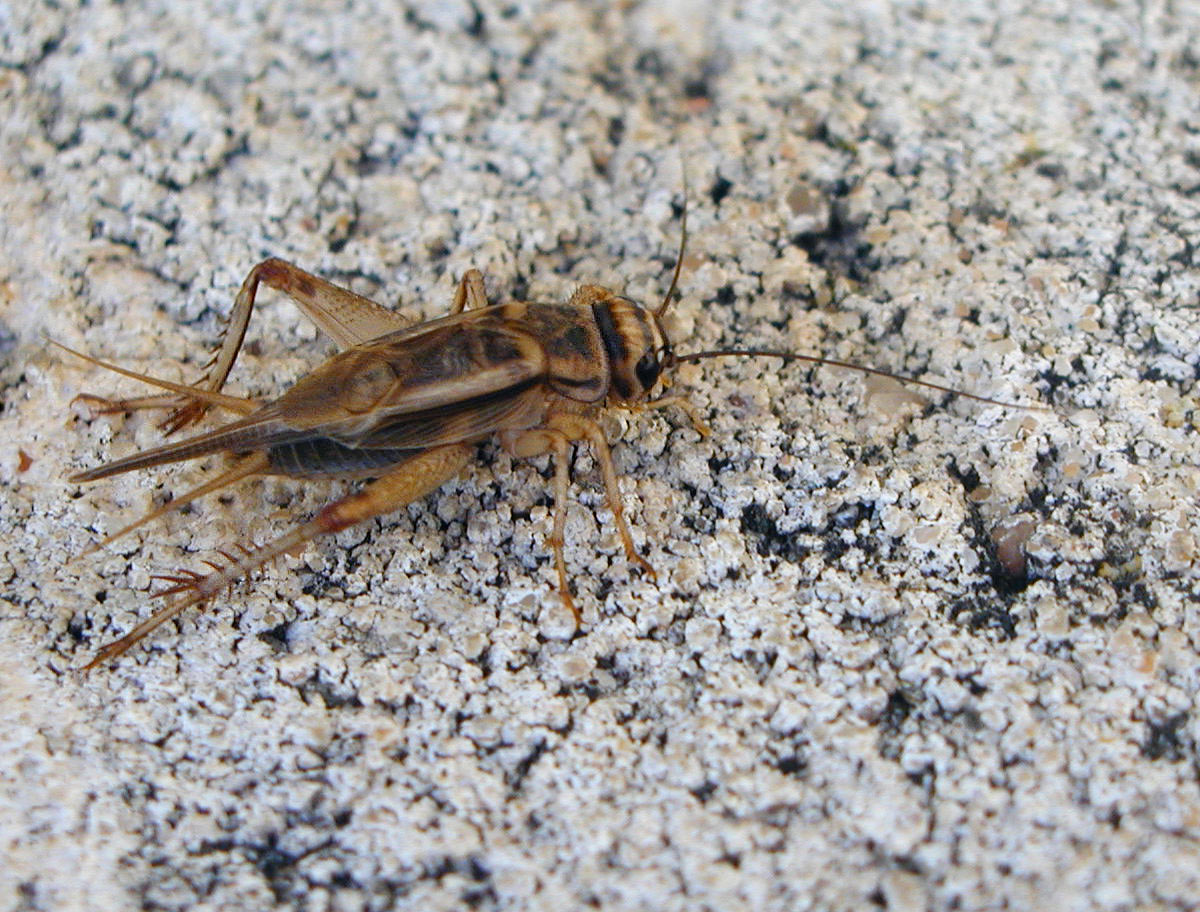
Light yellowish brown with dark bands near the head. House crickets have wings, and males chirp.
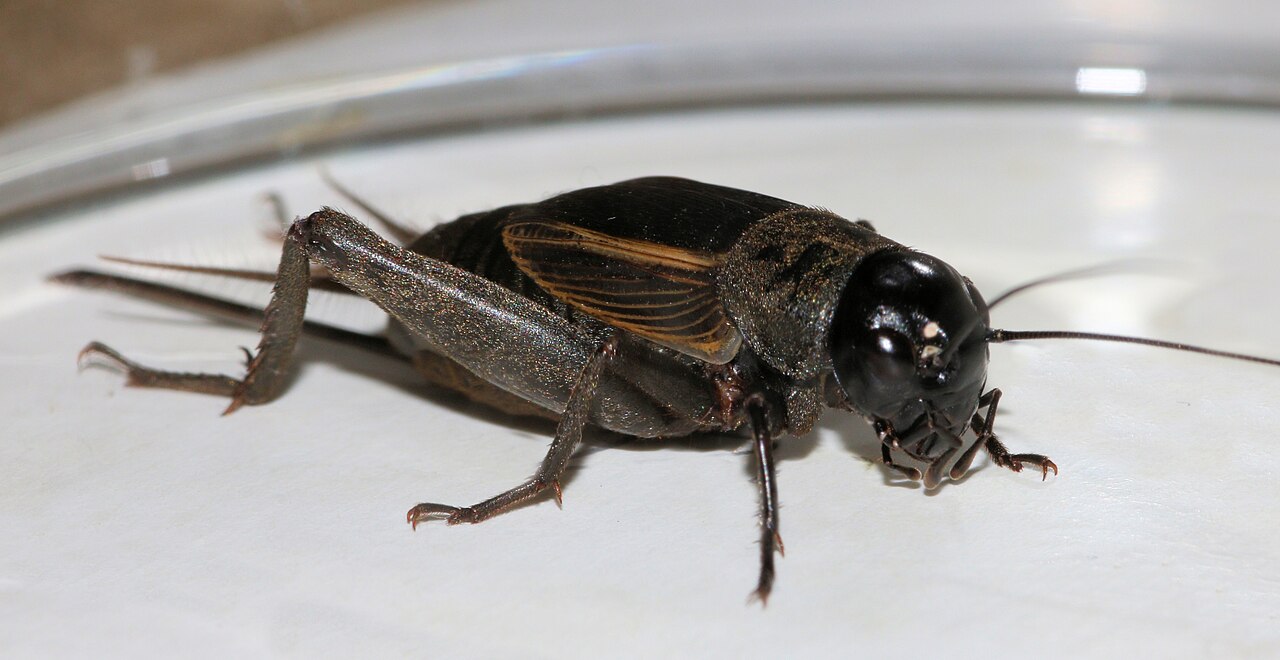
Usually dark brown or black and often found outdoors. Field crickets can enter buildings; males produce a familiar chirp.
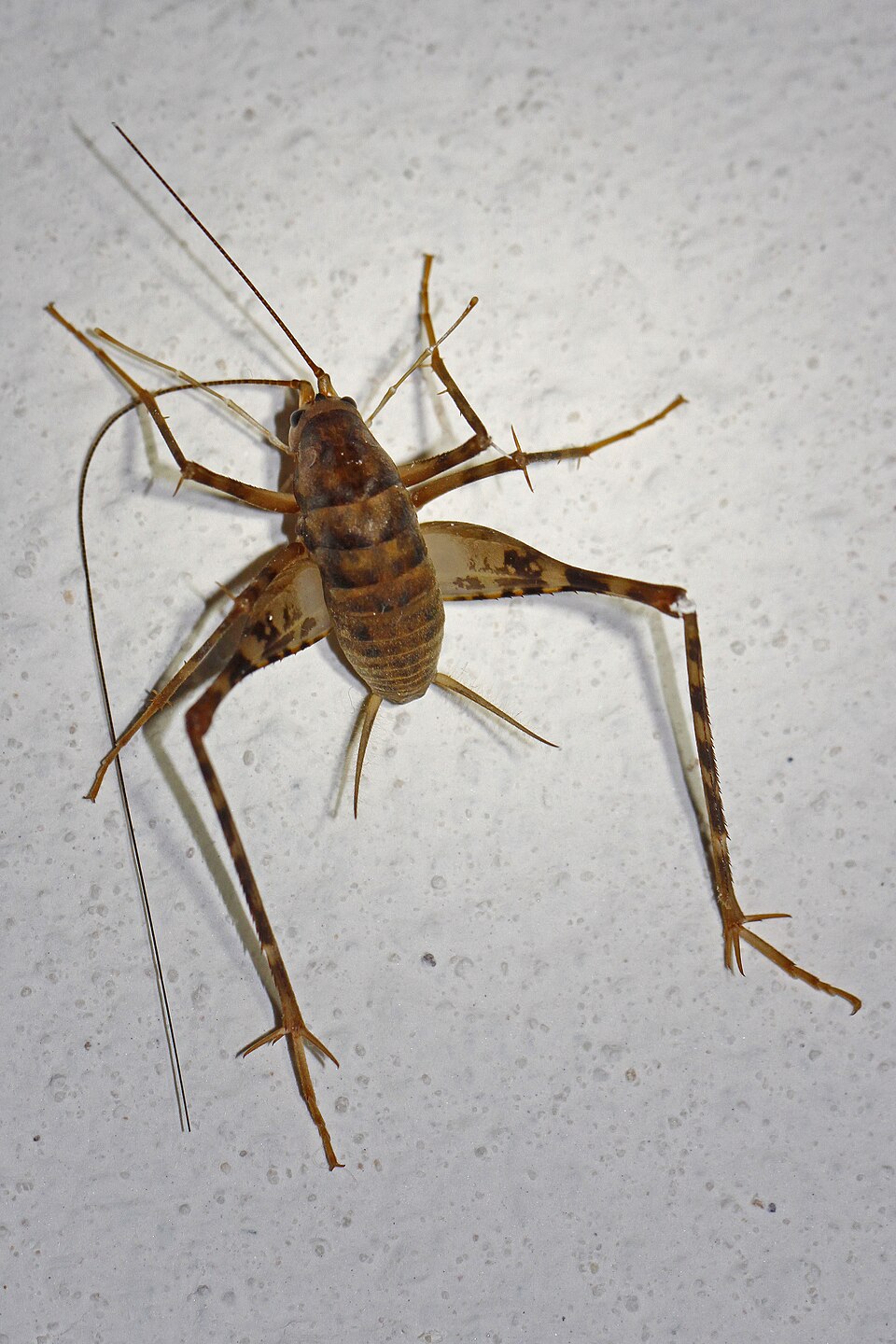
Wingless, with a humpbacked appearance and long legs. Camel crickets prefer damp, dark areas and do not chirp.
YOUR QUESTIONS, ANSWERED
A closer look at the sounds, behavior and indoor conditions associated with these insects.
Male house and field crickets produce sound by rubbing their wings together, often as a mating signal. These crickets are commonly active at night.
No. Camel crickets lack wings and the structures used by house and field crickets to make chirping sounds.
Camel crickets favor cool, dark, damp spaces. Reducing moisture and sealing openings can help make a basement less attractive to them.
05 / THE VORIAN APPROACH
We assess the activity and the conditions around your property, then recommend a focused plan for your space.
REQUEST SERVICEExamine the activity and likely entry points.
Recommend measures suited to the property and activity.
Discuss practical ways to address damp conditions and openings.
Provide recommendations to reduce conditions that attract crickets.
Sources: Rutgers Cooperative Extension: Cave Crickets and University of Minnesota Extension: Crickets. Photos: Aiwok, CC BY-SA 3.0; Luis Fernández García, CC BY-SA 2.1 ES; ImagePerson, CC BY 4.0; Judy Gallagher, CC BY 2.0. Images resized and framed for display.