COORDINATE PET CARE
Ask your veterinarian which flea control is appropriate for each pet, and follow the product directions.
VORIAN / FLEA CONTROL
Thoughtful flea identification and targeted home service across Middlesex, Union and Essex counties.
REQUEST SERVICE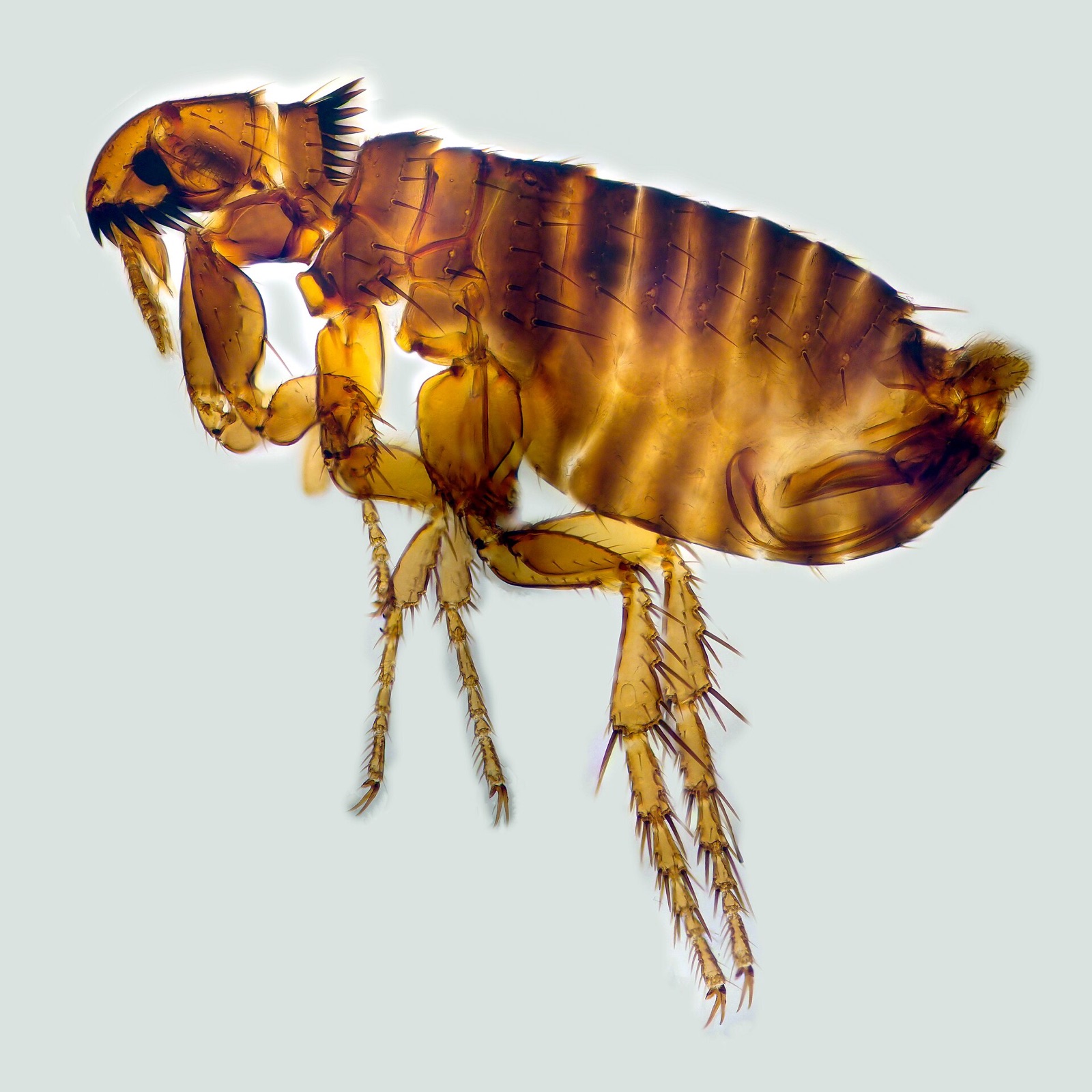
A PRACTICAL HOMEOWNER'S GUIDE
Fleas develop through egg, larva, pupa and adult stages. Eggs fall from a host into nearby resting areas, so a lasting plan considers pets and the home together.
Ask your veterinarian which flea control is appropriate for each pet, and follow the product directions.
Vacuum floors, rugs and furniture where pets spend time. Empty the vacuum contents promptly and safely.
Wash washable bedding and dry it thoroughly, following the fabric care label.
Note where activity is highest. Home treatment should be directed to the affected resting areas, not applied at random.
IDENTIFICATION GUIDE
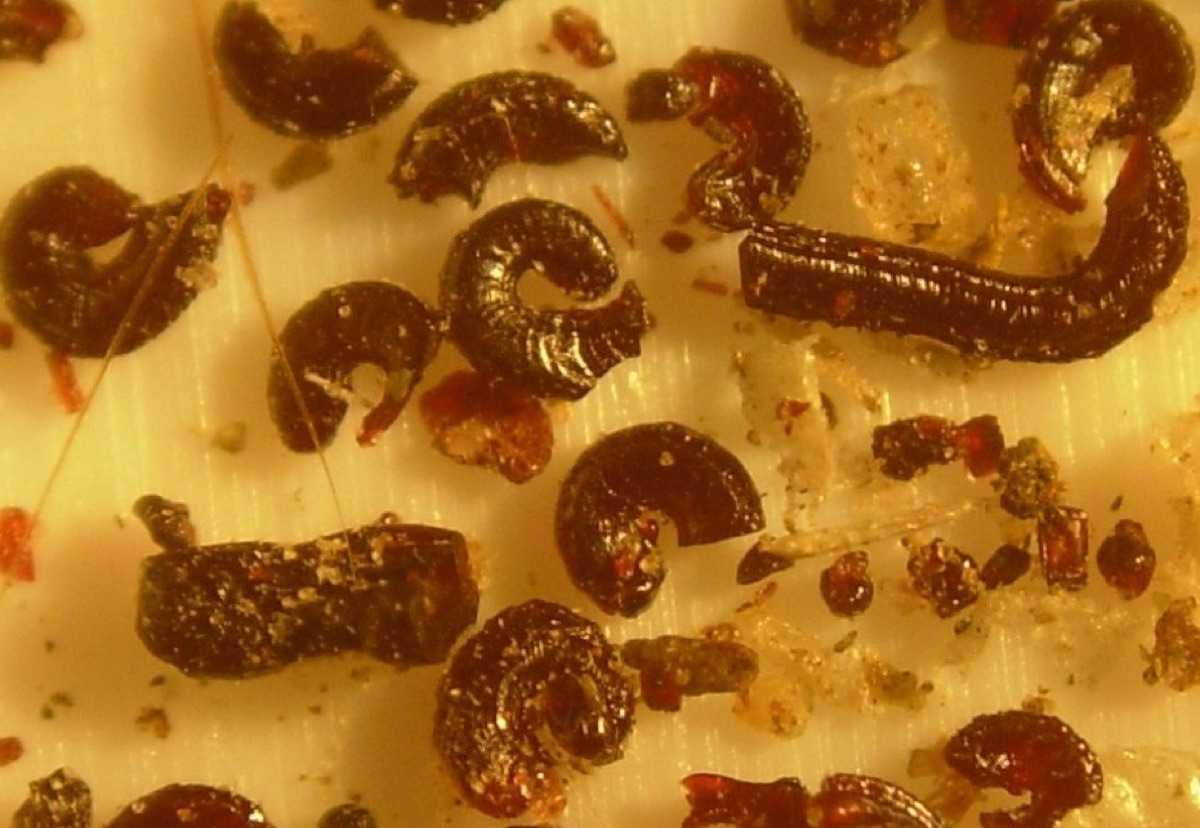
Fleas are small and quick, but their life stages leave different clues. These real photographs show the adult and immature stages at magnified scale.
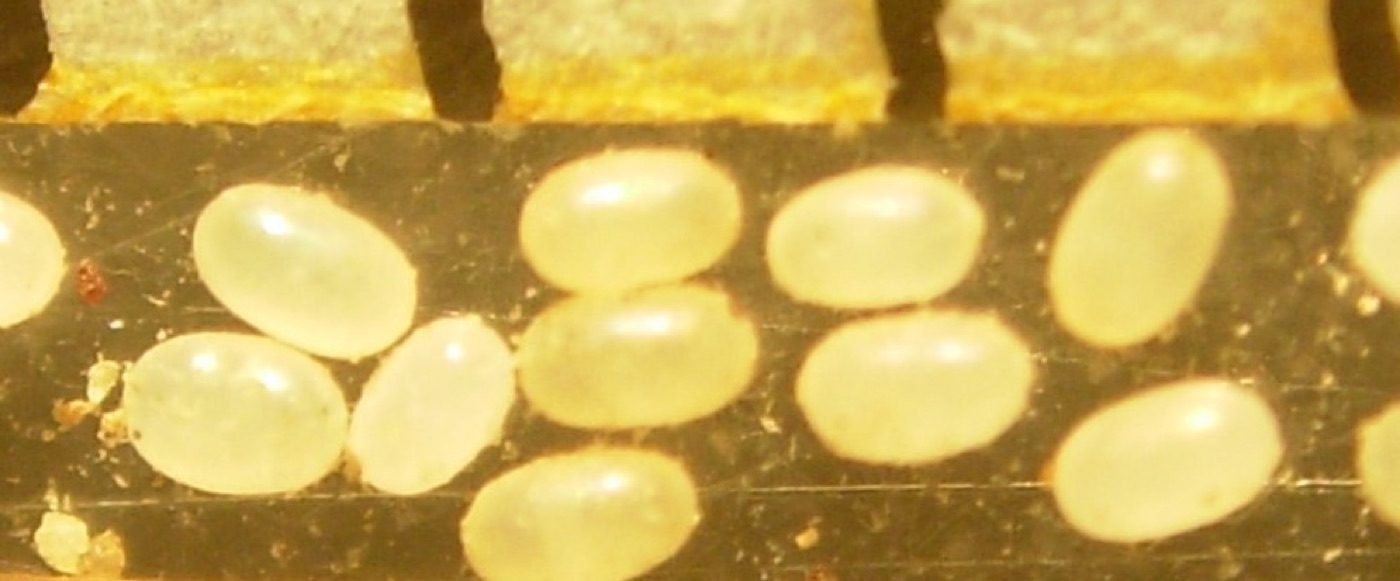
EGG / IN THE ENVIRONMENT
Often fall from the host
Flea eggs are tiny, smooth and not sticky. They commonly drop into bedding, carpet and other places a pet rests.
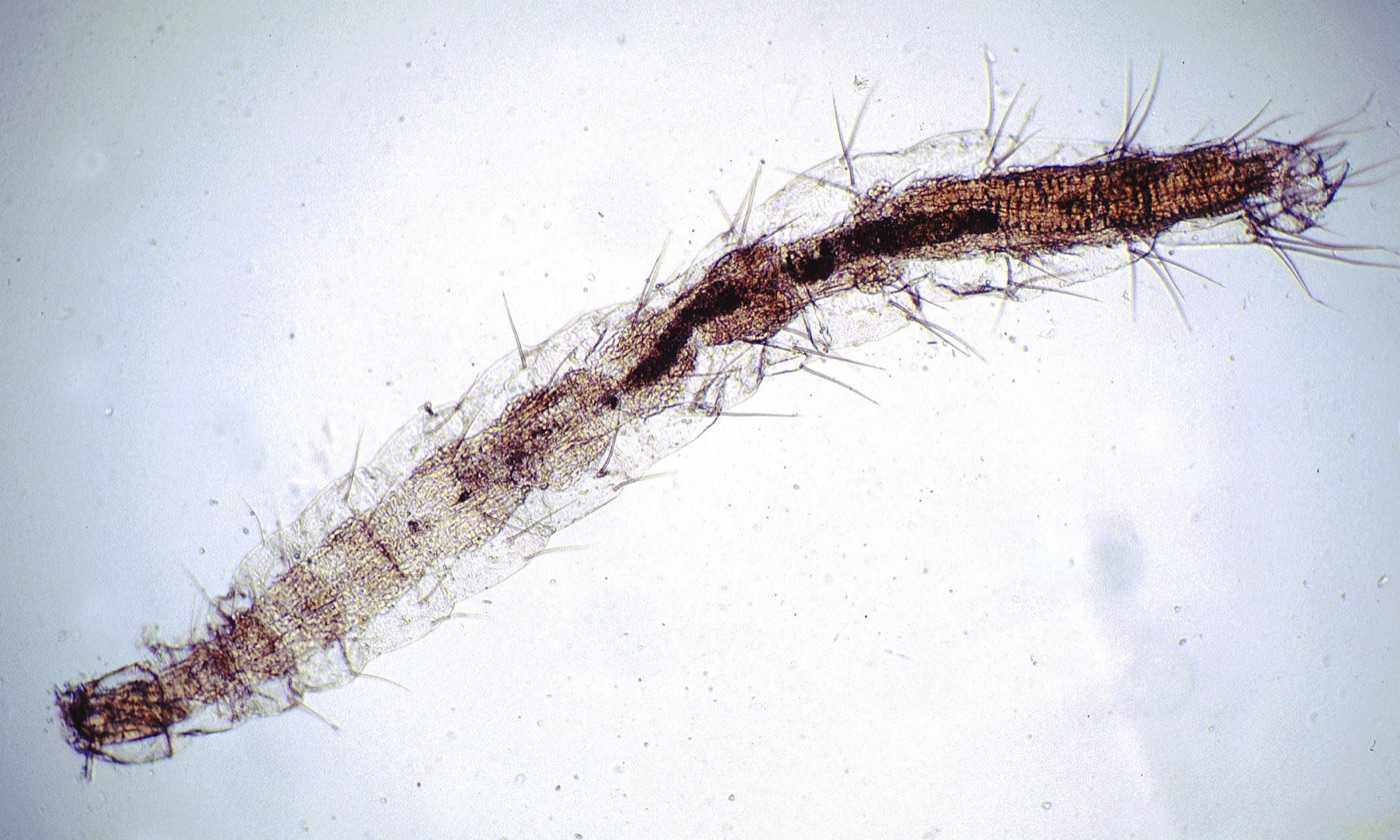
LARVA / HIDDEN NEARBY
Develops away from light
Larvae avoid light and hide in protected areas. They feed on organic debris, including adult flea feces, before forming a cocoon.
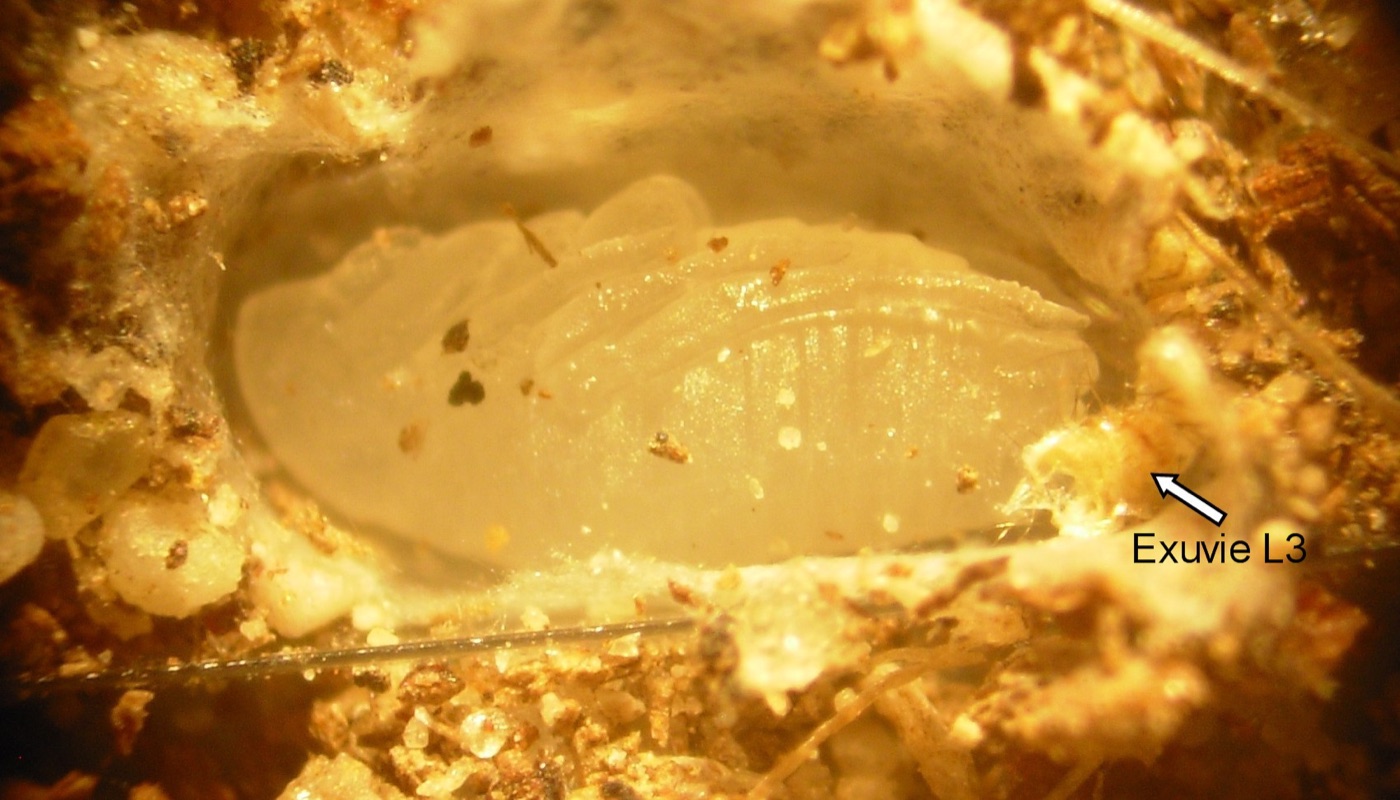
PUPA / WITHIN A COCOON
Can persist in a resting area
The cocoon can collect debris and shelter a developing flea. An adult may emerge when conditions signal a nearby host.
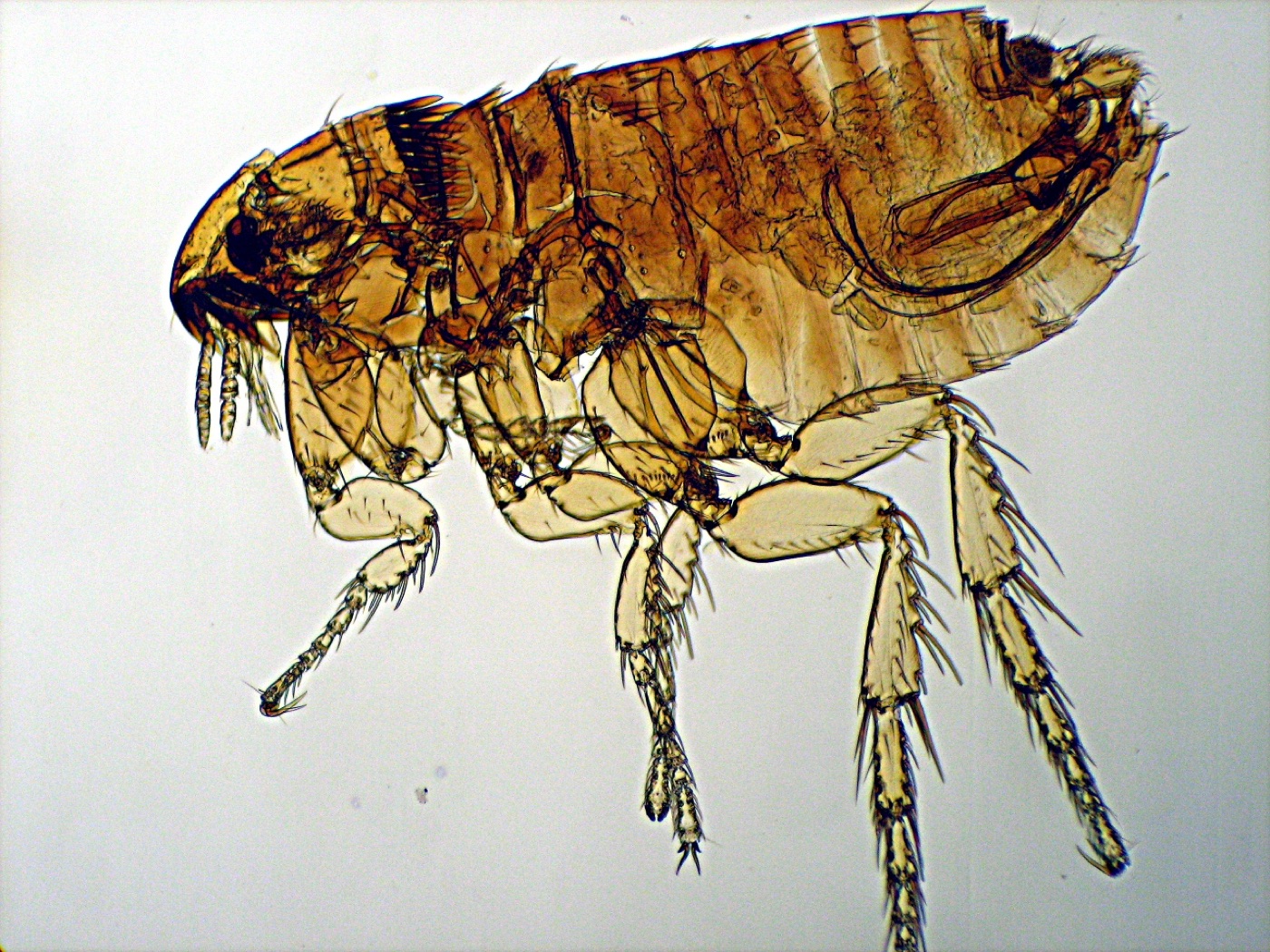
ADULT / ON A HOST
Ctenocephalides felis
Adults are wingless, reddish brown and flattened from side to side, with strong hind legs for jumping. This is the flea most often found on household cats and dogs.
The images are magnified views of separate specimens and stages; they are not shown at natural size.
THE VORIAN APPROACH
Because immature fleas develop in the environment while adults feed on hosts, effective control coordinates the home plan with appropriate pet care.
We look for signs of activity and identify where pets rest and spend time.
We assess the evidence and conditions before recommending a property-specific plan.
We focus service on the affected indoor areas and explain preparation and follow-through.
We explain what to watch for next; protected pupae may emerge after initial activity is addressed.
THE VORIAN STANDARD
Tell us what you are seeing, and we will help you decide on a precise next step.
REQUEST SERVICE