Identify & inspect
Look in bathrooms, basements, laundry rooms, storage areas and warm utility spaces. Sticky traps can help reveal activity.
VORIAN / SILVERFISH & FIREBRATS
Discreet, source-led identification and control for homes and businesses in Middlesex, Union and Essex counties, New Jersey.
REQUEST SERVICE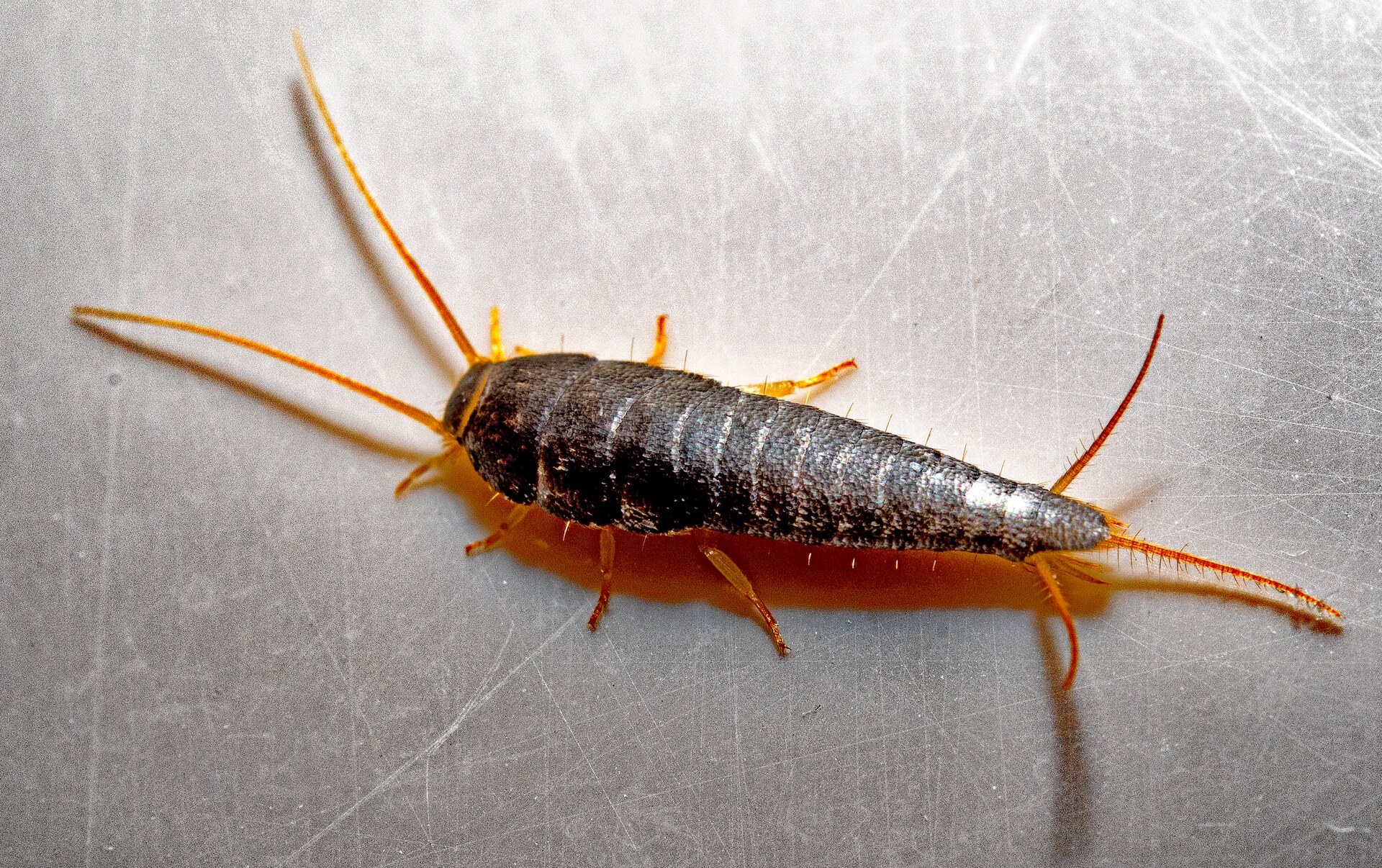
A PRACTICAL HOME GUIDE
Start by confirming which insect you have and where it hides. Silverfish and firebrats look similar, but their preferred conditions are different. A lasting plan addresses the place where they live, not just the insects seen at night.
Look in bathrooms, basements, laundry rooms, storage areas and warm utility spaces. Sticky traps can help reveal activity.
Repair leaks and improve ventilation for silverfish. For firebrats, inspect very warm areas near heating equipment and hot-water pipes.
Remove paper clutter, clean dust and keep books, fabrics and dry foods in suitable, dry storage.
Seal gaps around pipes, baseboards and other openings. If activity persists, arrange a targeted inspection.
FOLLOW THE CONDITIONS
Dark, protected spaces offer shelter, while paper, glue, starch and dry food provide potential food. The room where you find one can help distinguish a moisture problem from a warm firebrat hiding place.
Silverfish are often associated with damp, warm places such as bathrooms, laundry rooms and basements. A leak, condensation or poor ventilation may help them persist.
Firebrats thrive in hotter places, including around ovens, heating units, furnaces and hot-water pipes. They can tolerate drier conditions than silverfish.
A FIELD GUIDE FOR THE HOME
Both are fast-moving, wingless insects with long antennae and three tail-like bristles. Color and preferred hiding places provide the clearest everyday clues.
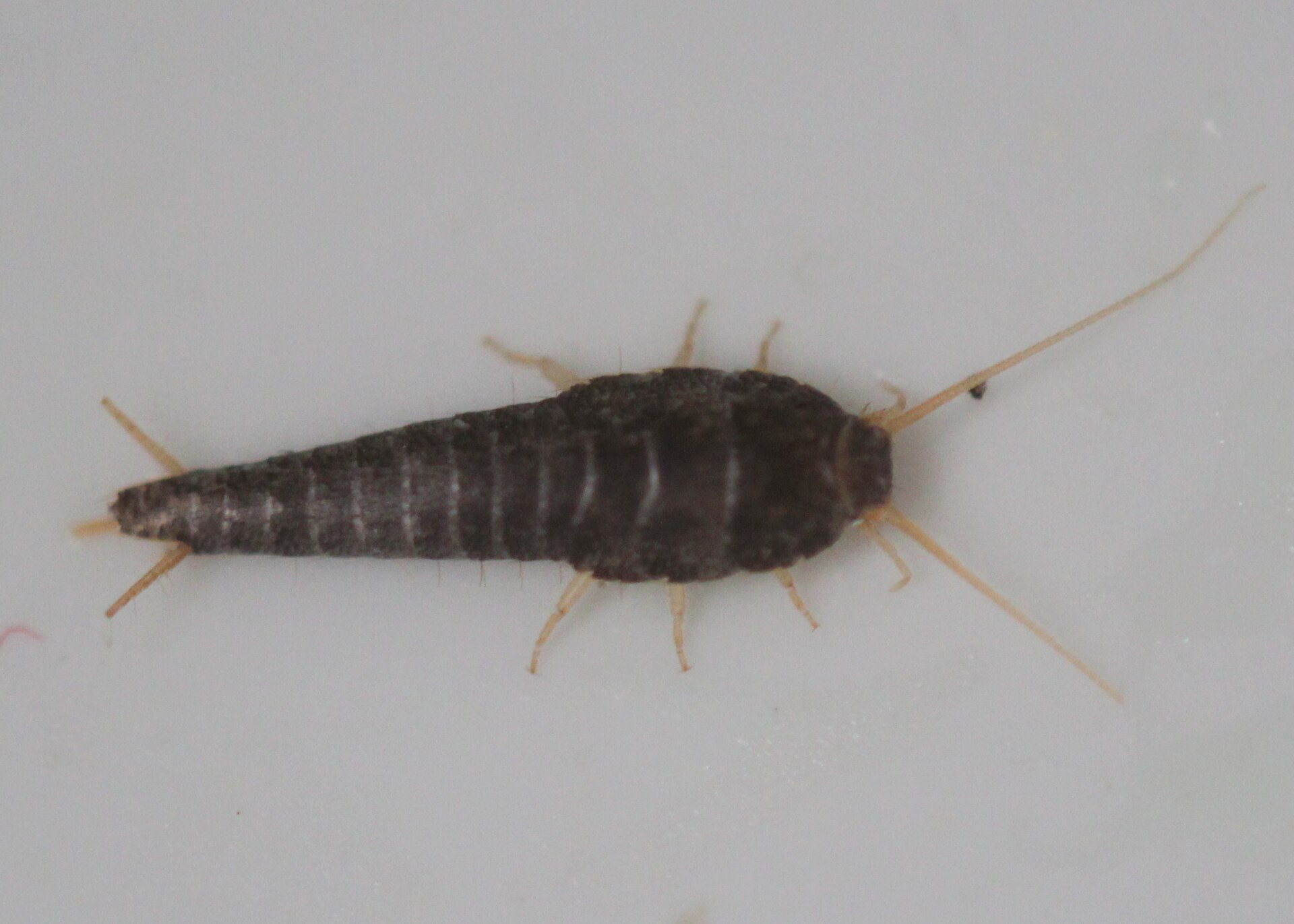
A smooth, silvery-gray body narrows toward the rear. Look for them in damp, sheltered areas; the color is usually more uniform than a firebrat's.
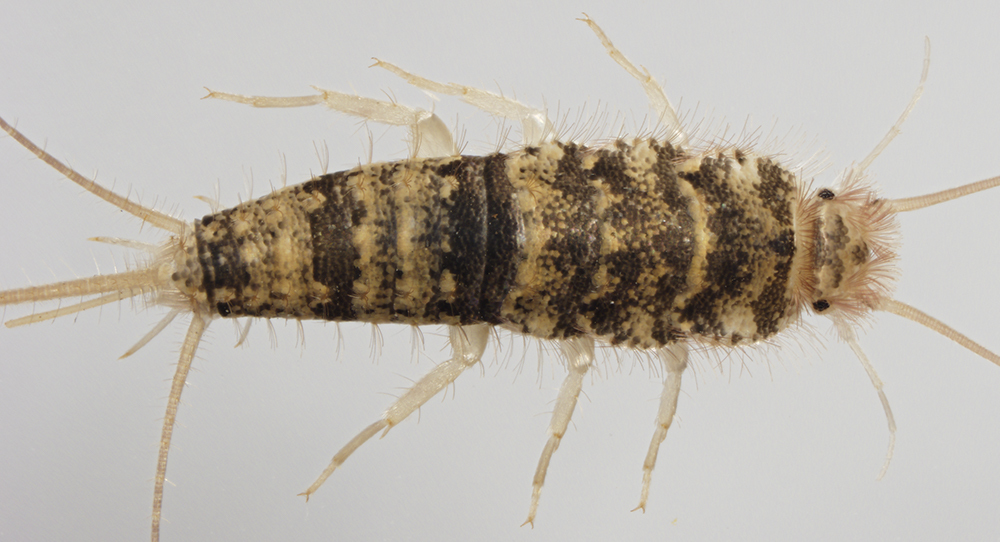
A mottled gray-brown relative of the silverfish. Firebrats favor very warm protected spaces and may travel along pipes and wall openings.
QUESTIONS FROM HOMEOWNERS
Clear answers to the searches that usually follow a sighting indoors.
Silverfish and firebrats have weak jaws that scrape materials rather than bite people. Their main concern indoors is nuisance activity and possible damage to stored items.
They may fall into a tub or sink and be unable to climb the smooth sides. A sighting there does not mean they came up through the drain.
They can scrape paper, bookbinding glue, wallpaper and starch or sizing on some fabrics. Inspect stored items for irregular surface damage and keep them clean and dry.
No. They are related and look similar, but firebrats are mottled and favor very warm places. Silverfish are more uniformly silvery and commonly occupy damp areas.
THE VORIAN APPROACH
A measured inspection turns a scattered sighting into a clear plan for the affected rooms.
Vorian identifies the insect, locates likely hiding places and addresses conditions that support activity. Recommendations may include moisture correction, cleaning, storage changes and exclusion. When treatment is appropriate, it is targeted to suitable hiding places and applied according to the product label.
REQUEST SERVICEConfirm the insect and map activity by room.
Check moisture and heat-related harborage.
Recommend storage and cleaning steps for vulnerable items.
Focus treatment and follow-up where inspection indicates.
Research: University of California Integrated Pest Management, Silverfish and Firebrats. Photography: Géry Parent, silverfish hero (CC BY-SA 4.0); Steven Lamonde, silverfish (CC BY 4.0); Kyle C. Smith, firebrat (CC BY-SA 4.0). Photographs cropped for layout; specimens are not shown at natural size.