INSPECT & IDENTIFY
Look for signs of activity and potential entry points throughout the property.

VORIAN / RAT CONTROL
Thoughtful rat control for homes and businesses across Middlesex, Union and Essex counties, New Jersey.
REQUEST SERVICETHE HOMEOWNER'S GUIDE
A thoughtful plan starts with finding where rats are active and how they get inside. Addressing food, water and entry points alongside targeted control can help reduce activity and prevent a return.
Start with an inspection. The right response depends on the activity and conditions at your property.
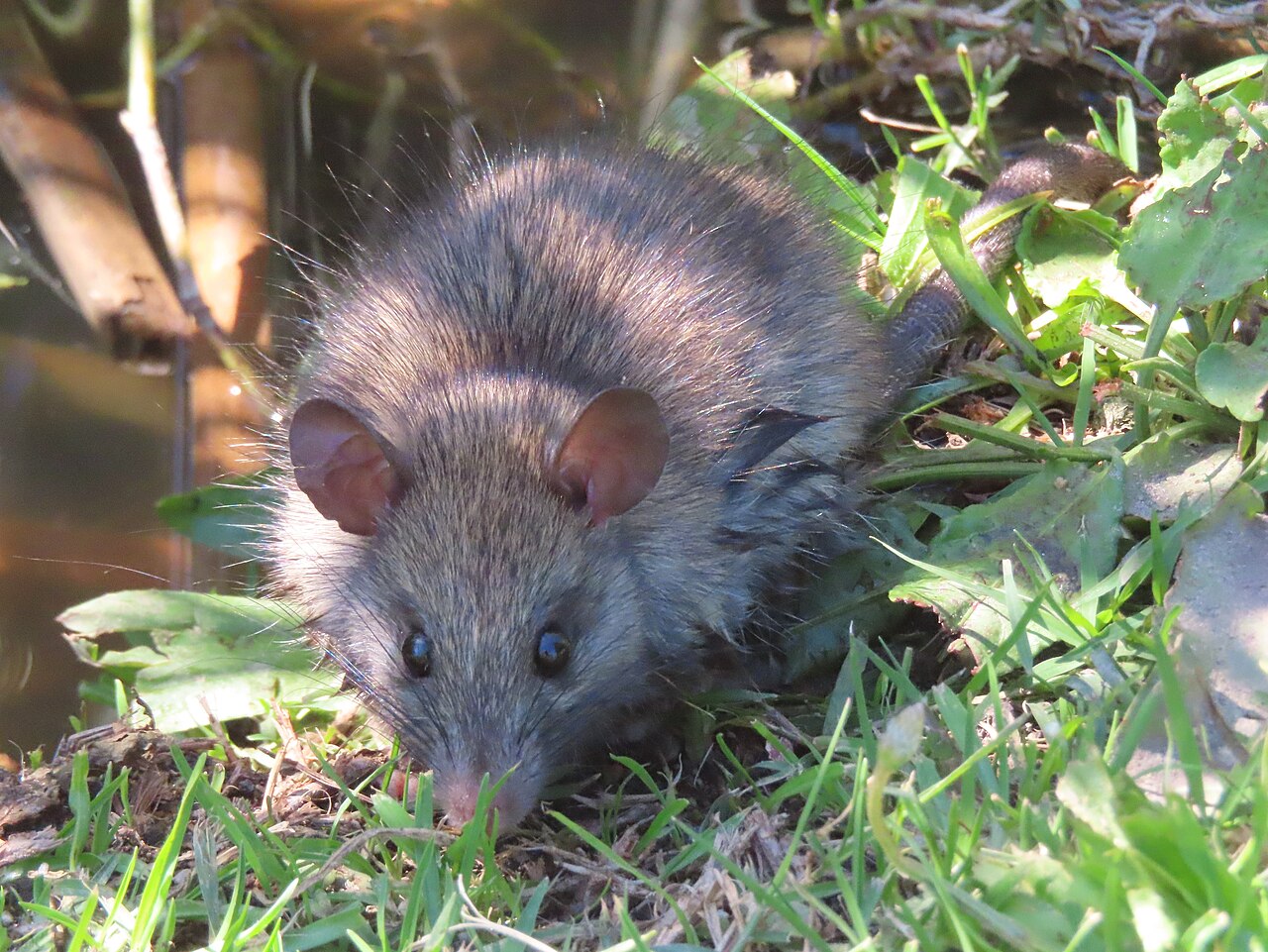
Look for signs of activity and potential entry points throughout the property.
Secure food and waste, and address accessible sources of water.
Choose targeted measures suited to the location and level of activity.
Close openings with durable materials and watch for renewed activity.
UNDERSTANDING ACCESS
Rats can move through openings around a building and are capable climbers. Some can pass through gaps about half an inch wide, depending on their size and species.
Gaps and damaged areas near the ground can provide a route indoors.
Openings where pipes and cables pass through walls deserve a close look.
Worn door sweeps, garage gaps and damaged vent screens may allow access.
Branches, wires and building features can give climbing rats access to roofs.
IDENTIFICATION GUIDE
The Norway rat is the species most often encountered around New Jersey buildings. Roof rats are less frequently encountered in the state and favor elevated places.
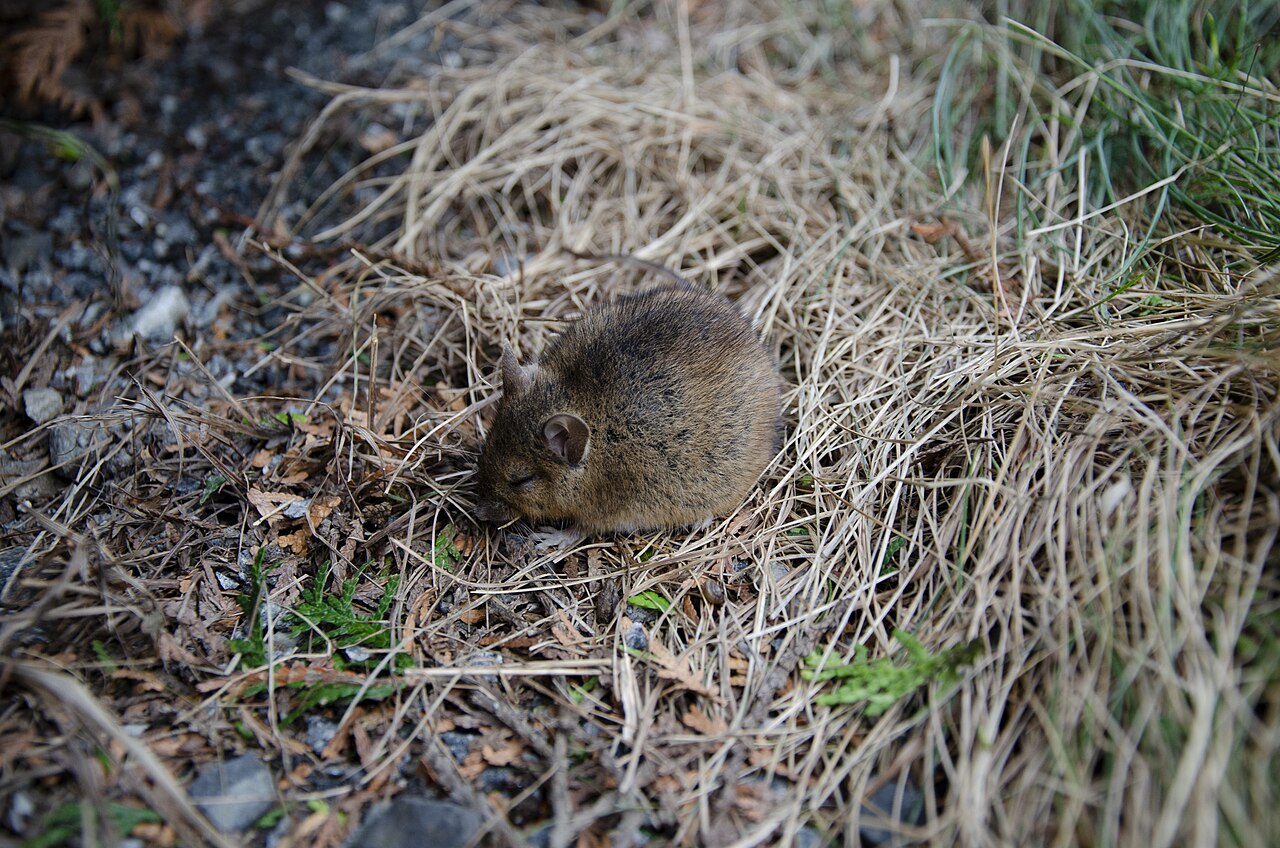
Often stocky, with a blunt snout and relatively small ears. Norway rats commonly use burrows and lower parts of buildings, though they can also climb.
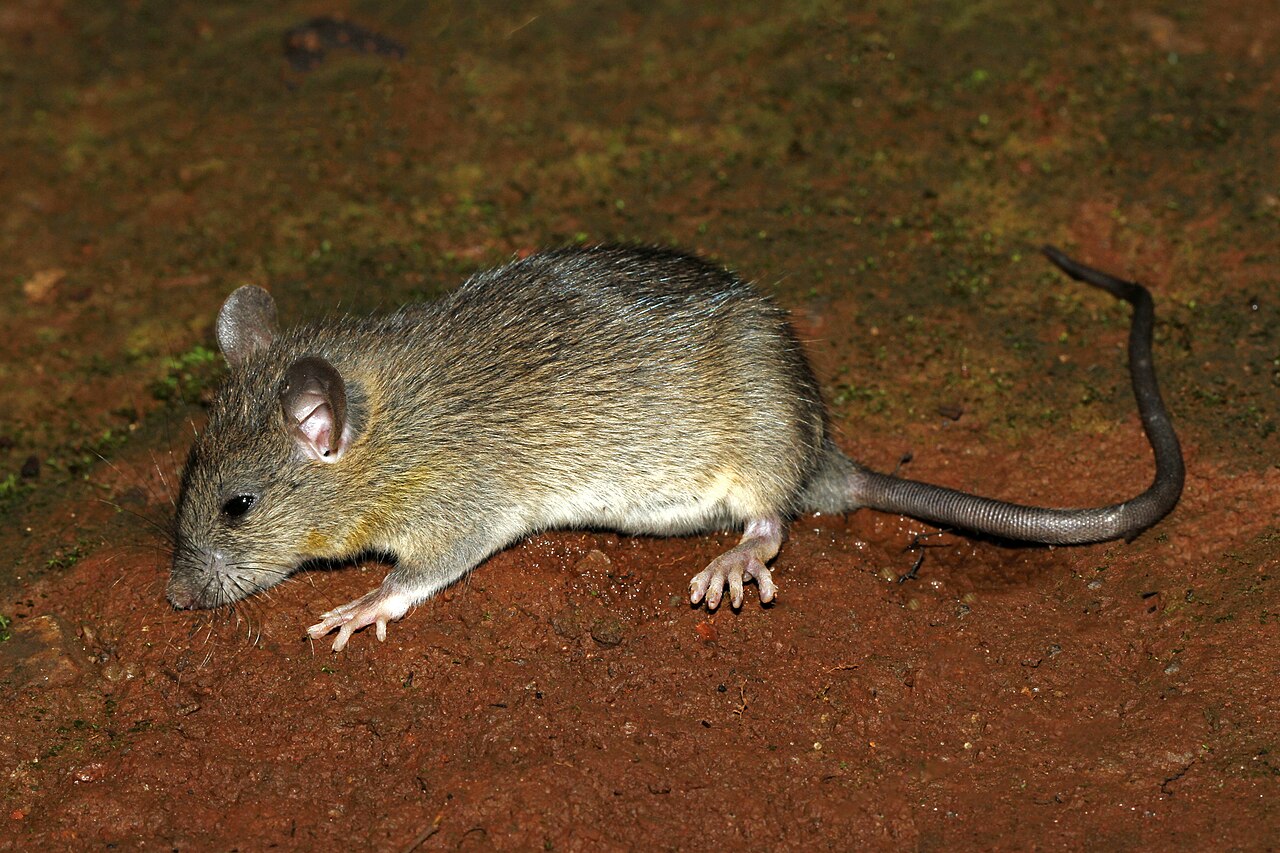
Generally more slender, with larger ears and a longer tail relative to its body. An agile climber, it often nests above ground when present.
SIGNS OF ACTIVITY
Rats often remain hidden. A combination of clues can help an inspector determine where activity is occurring and what may be attracting them.
Dark pellets may appear along walls, in cabinets or near food and nesting areas.
Rats can chew through materials and leave marks on packaging, wood or wiring.
Look for holes in soil near foundations, sheds and sheltered outdoor areas.
Scratching or movement in walls and ceilings can indicate activity that needs inspection.
CLEANUP NOTE: DO NOT SWEEP OR VACUUM DRY DROPPINGS. FOLLOW CDC CLEANUP GUIDANCE.
05 / THE VORIAN APPROACH
Every property is different. We assess the signs, identify likely routes and recommend a focused plan for the conditions we find.
REQUEST SERVICEIdentify activity, potential entry points and conditions that may attract rats.
Recommend measures appropriate to the property and the level of activity.
Discuss practical ways to close gaps and reduce access to food and shelter.
Recommend monitoring and follow-up when appropriate to the service plan.
Sources: New Jersey integrated pest management manual and CDC rodent control. Photography: Charles J. Sharp, Pat Hansen and Peulle, CC BY-SA 4.0; Davidvraju, CC0. Images resized and cropped for display.