REMOVE FOOD SOURCES
Keep food in sealed containers, clean crumbs and spills, and avoid leaving pet food out.
VORIAN / ANT CONTROL
Thoughtful ant control for homes and businesses across Middlesex, Union and Essex counties. We identify the species, trace the activity and address the conditions behind it.
GET PROTECTED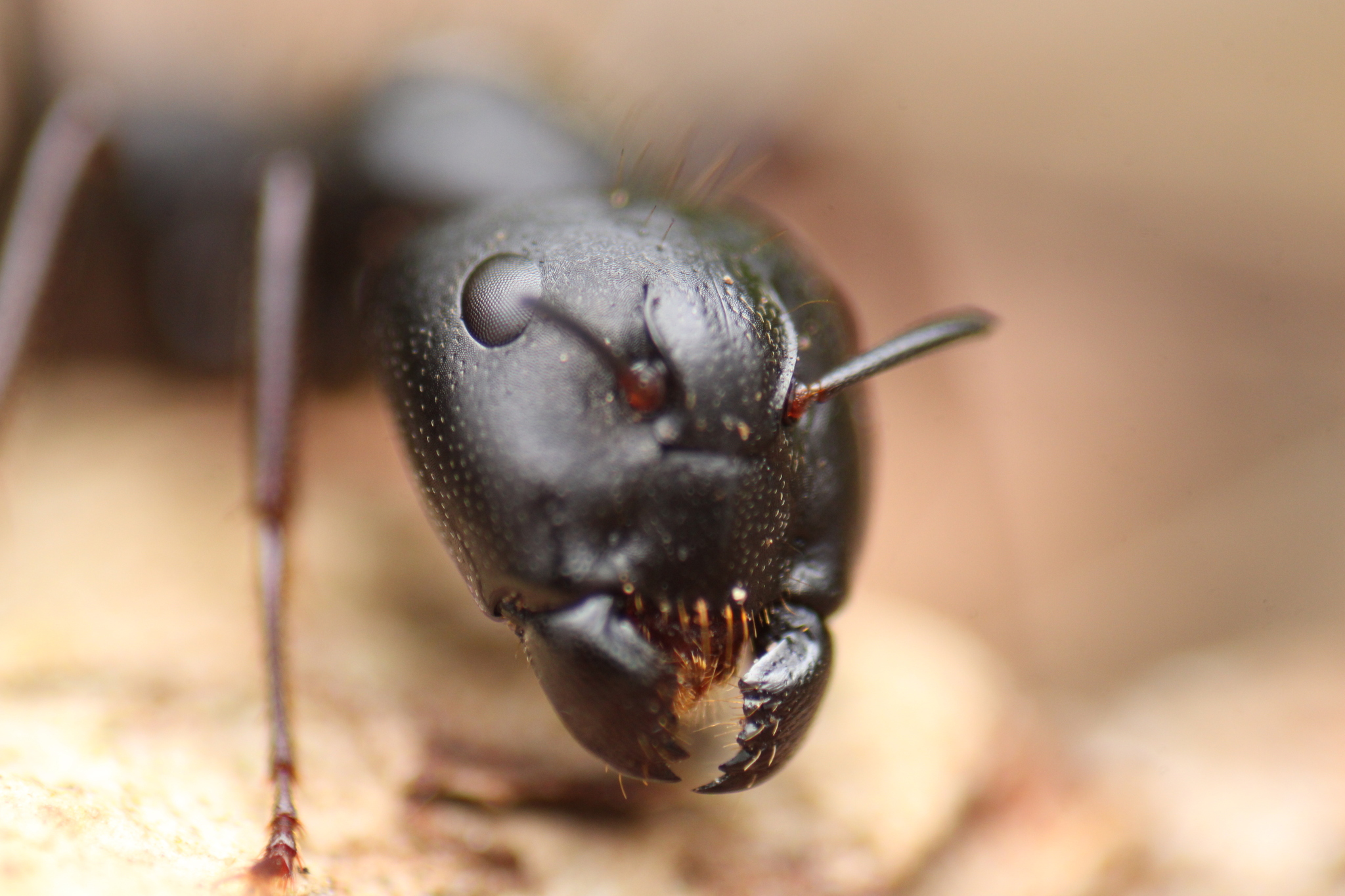
THE HOMEOWNER’S GUIDE
Visible workers are only part of the story. Reduce what attracts them, follow their trails and look for the places they enter. Persistent activity calls for proper identification and a plan that reaches the nest.
Keep food in sealed containers, clean crumbs and spills, and avoid leaving pet food out.
Repair leaks and dry damp areas around sinks, appliances and bathrooms.
Trace ant trails to entry points, then seal gaps around doors, windows and pipes.
Inspect cracks, mulch and nearby wood; keep vegetation from touching the building.
ANTS FOUND IN NEW JERSEY
Different ants nest in different places and seek different foods. These are four species or groups homeowners may encounter; a photograph alone is not a reliable identification.
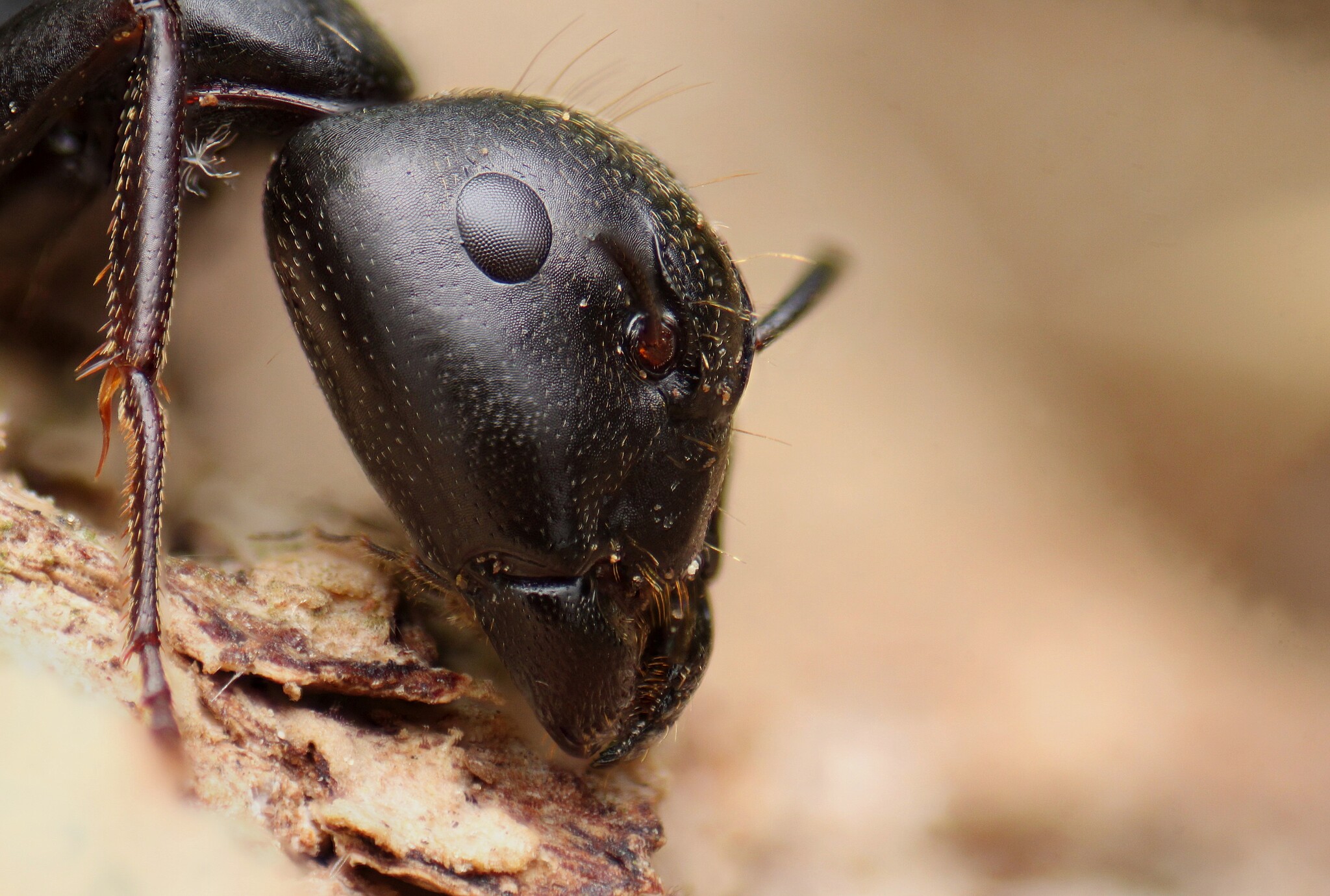
SPECIES 01
Camponotus pennsylvanicus
Large, dark workers may nest in damp or damaged wood. They excavate wood to make galleries; they do not eat it.
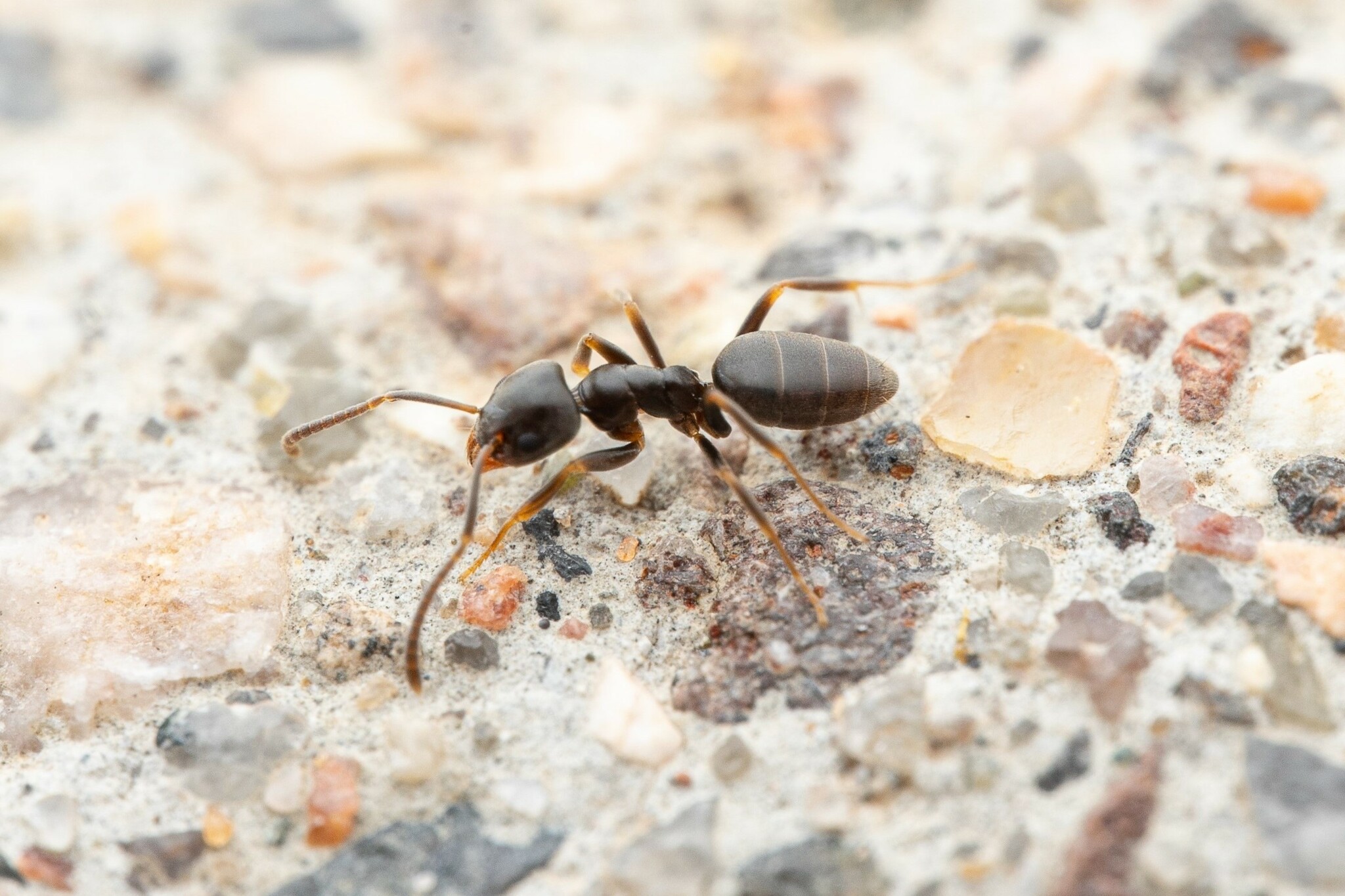
SPECIES 02
Tapinoma sessile
Small, dark ants that often forage for sweets. Nests may be outdoors or in warm, moist wall voids.
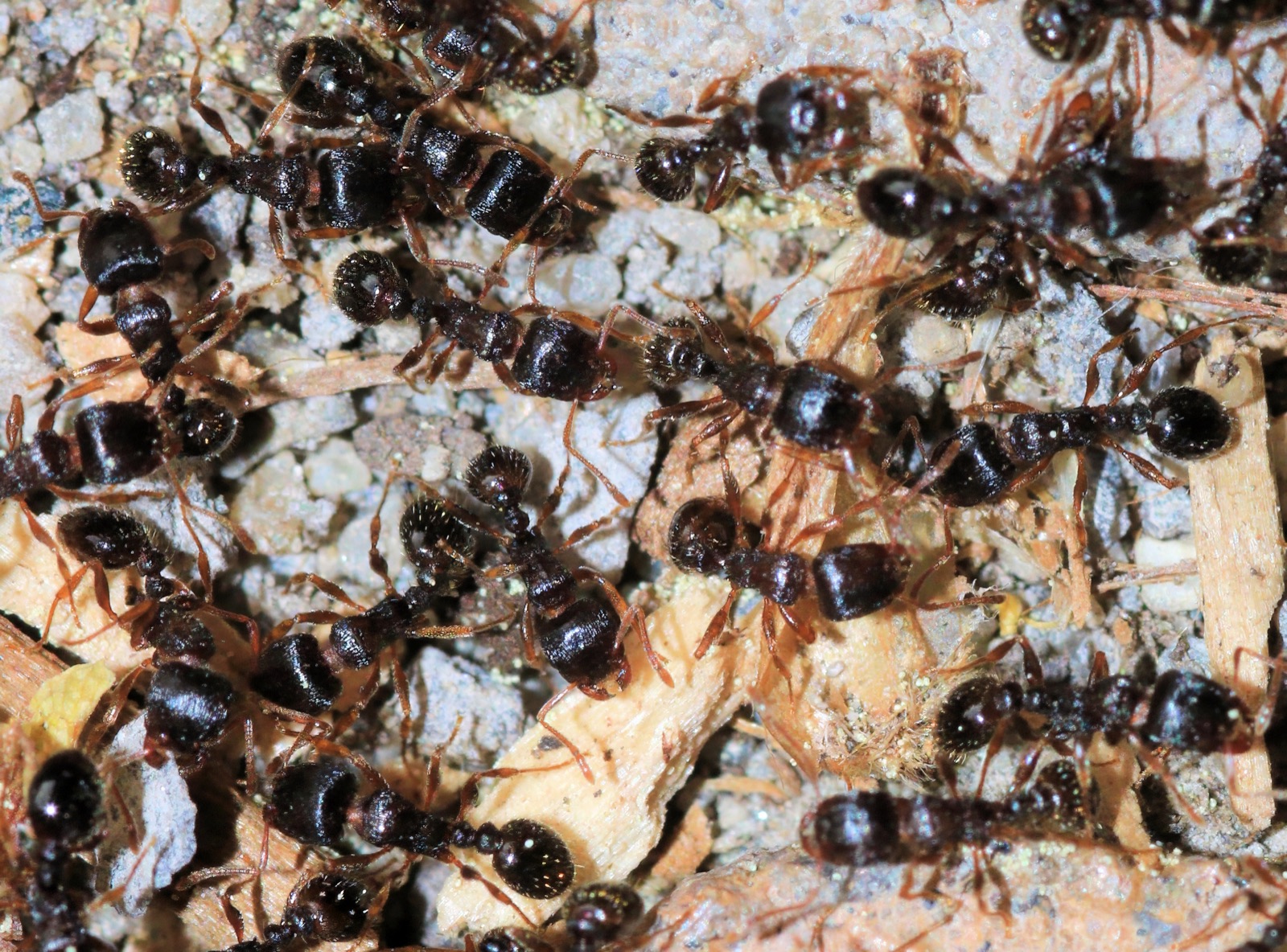
SPECIES 03
Tetramorium immigrans
Often nests beneath sidewalks, slabs and stones. Workers can enter through cracks while searching for food.
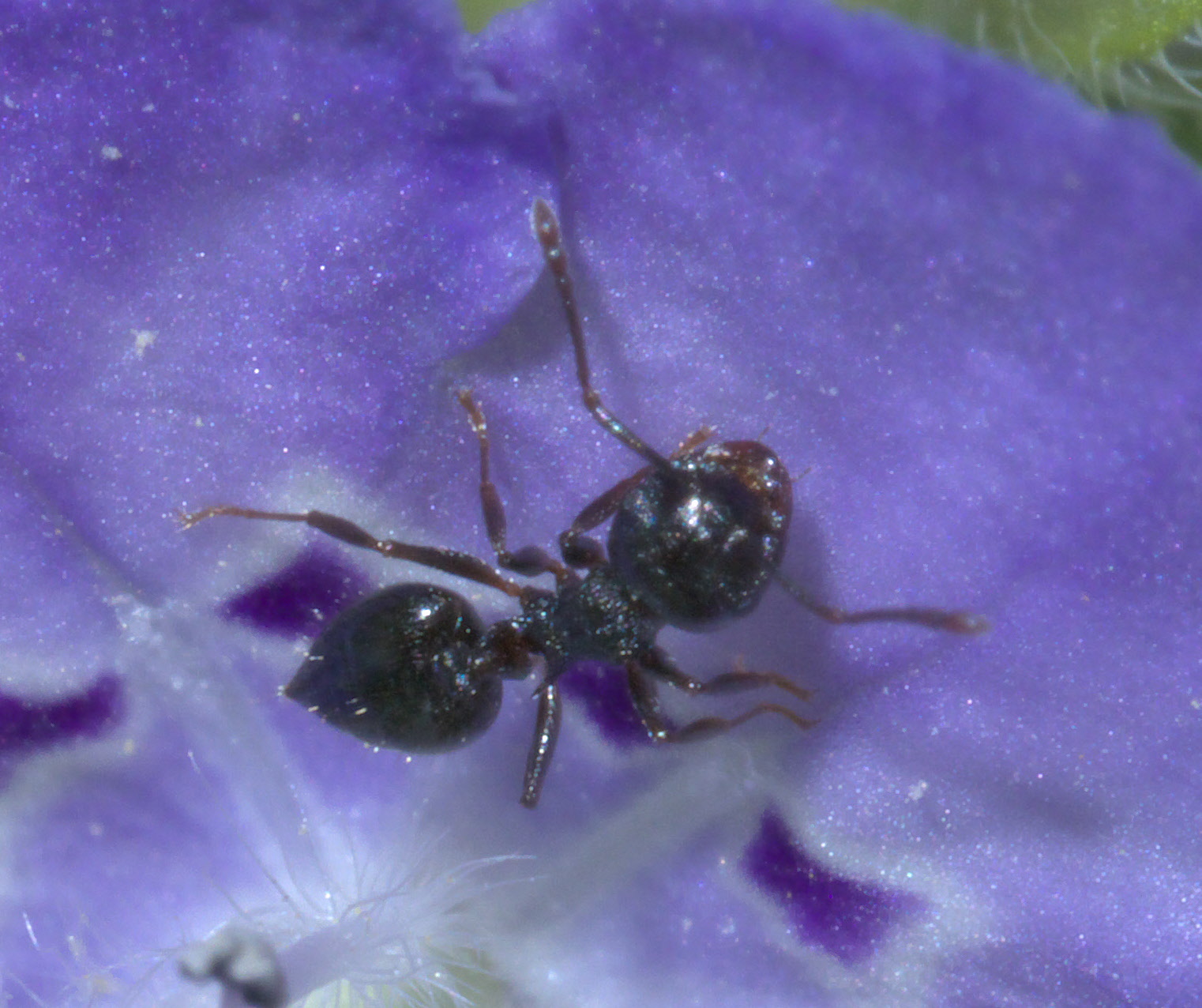
SPECIES 04
Crematogaster spp.
Recognized by a heart-shaped abdomen that may rise when disturbed. It can nest in decayed wood and wall voids.
Species pictured are documented photographs; ant identification and treatment should be based on an inspection of the actual property.
THE VORIAN APPROACH
A plan shaped by the ant, the nest and the property—not a one-size-fits-all treatment.
We look for trails, entry routes, likely nesting sites and the food or moisture drawing ants in.
We identify the ant and use its nesting and feeding habits to choose an appropriate strategy.
We target activity and the colony with methods selected for the species and the site.
We share practical steps to reduce food, water and access so future activity is less likely.
A MORE CONSIDERED STANDARD
Ant control tailored to your property, with clear findings and a treatment plan grounded in the species we find.
GET PROTECTED