ARRIVE WITH ITEMS
Inspect grocery bags, deliveries, luggage and second-hand appliances, especially if they were stored where roaches are present.
VORIAN / COCKROACH CONTROL
Cockroach identification and targeted service for homes and businesses across Middlesex, Union and Essex counties.
REQUEST SERVICE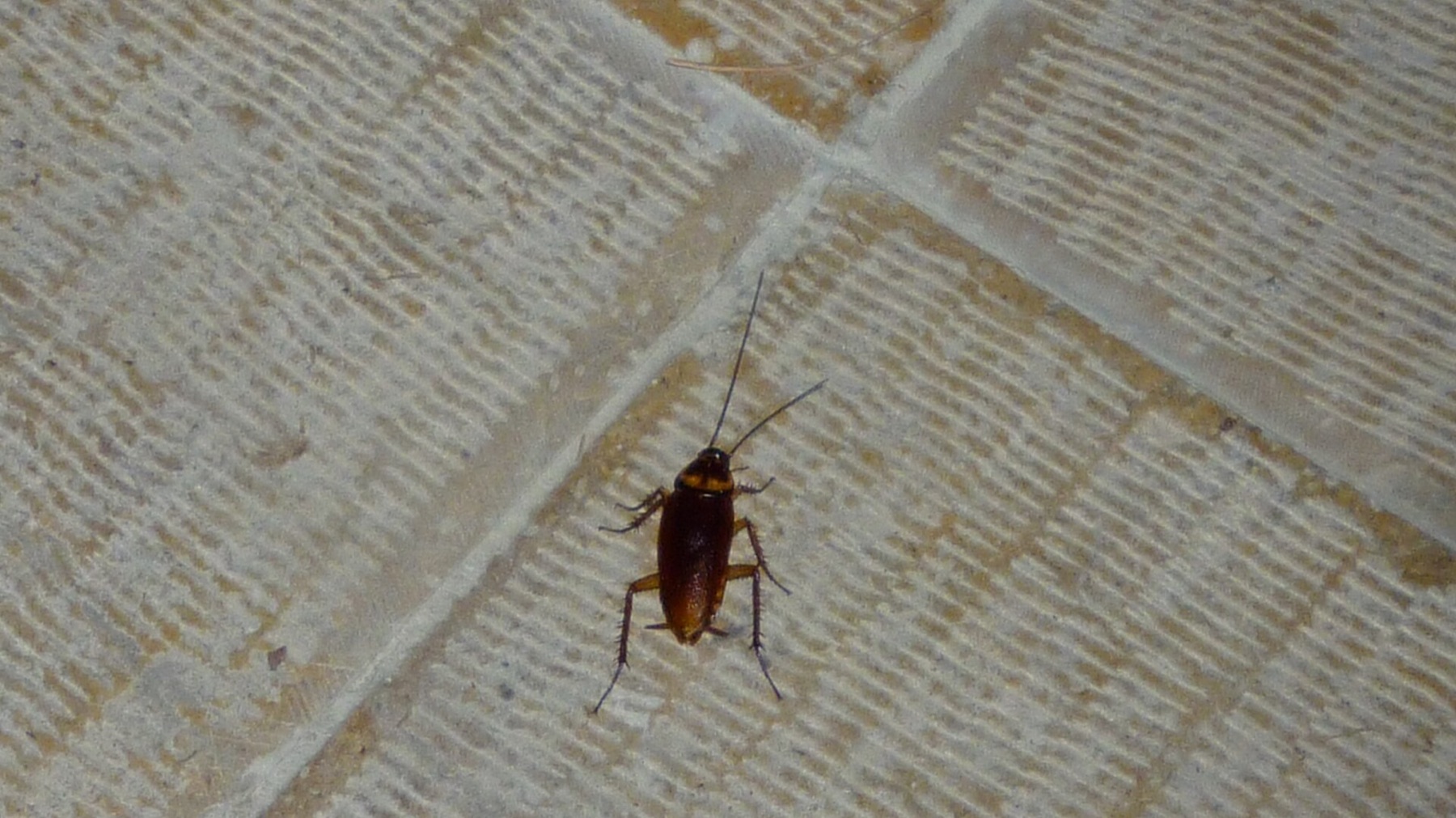
UNDERSTAND THE CONDITIONS
Small openings and everyday items can give cockroaches access. Once inside, food, moisture and undisturbed hiding places help them settle.
Inspect grocery bags, deliveries, luggage and second-hand appliances, especially if they were stored where roaches are present.
Cracks, utility openings and gaps around plumbing can connect rooms or provide entry from adjoining areas.
Crumbs, open food, pet dishes and leaking pipes give cockroaches resources close to protected harborages.
Reducing access to food and water and sealing hiding gaps can support a broader control plan.
IDENTIFICATION GUIDE
Color, size and preferred hiding places vary by species. These details can guide identification, but a clear photo or specimen helps confirm it.
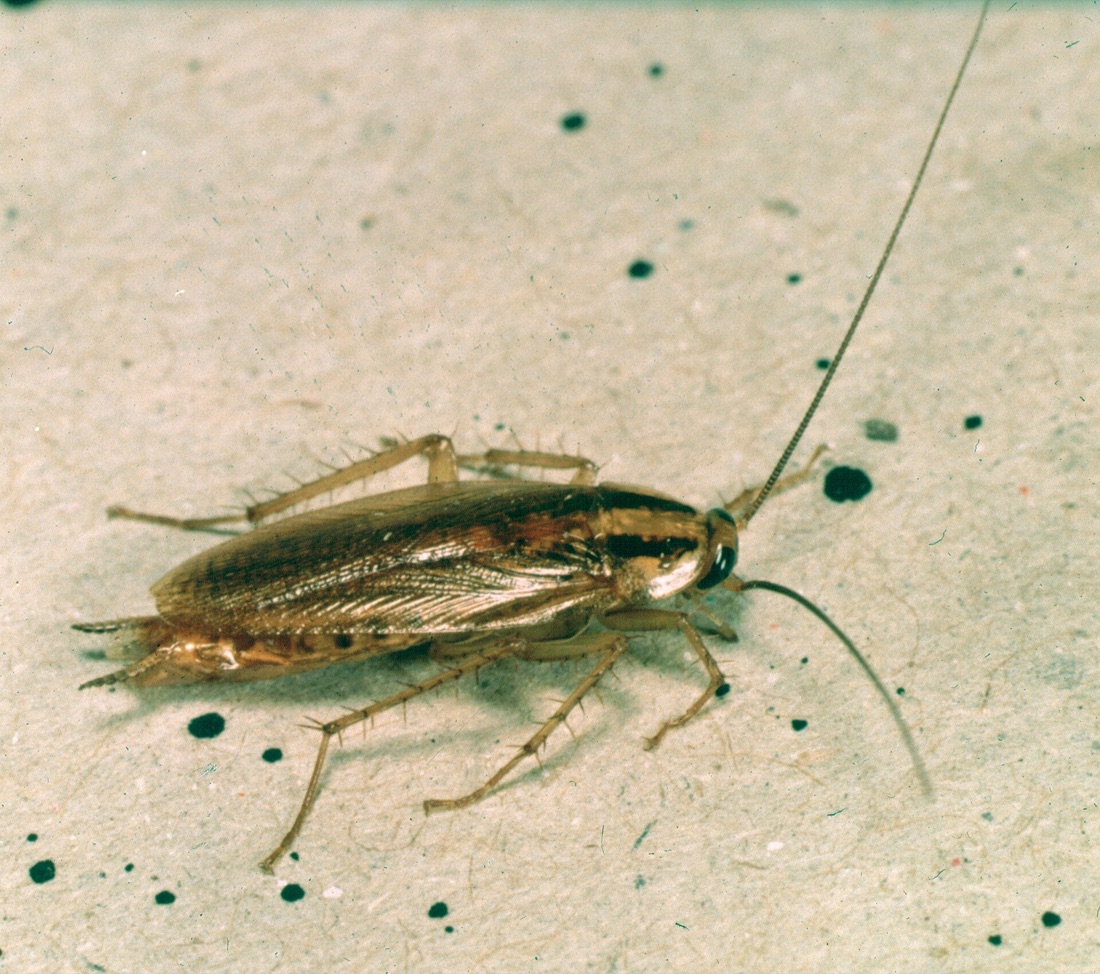
SMALL / WARM, HUMID AREAS
Blattella germanica
Usually tan to light brown, with two dark parallel stripes behind the head. Often found around kitchen and bathroom plumbing.
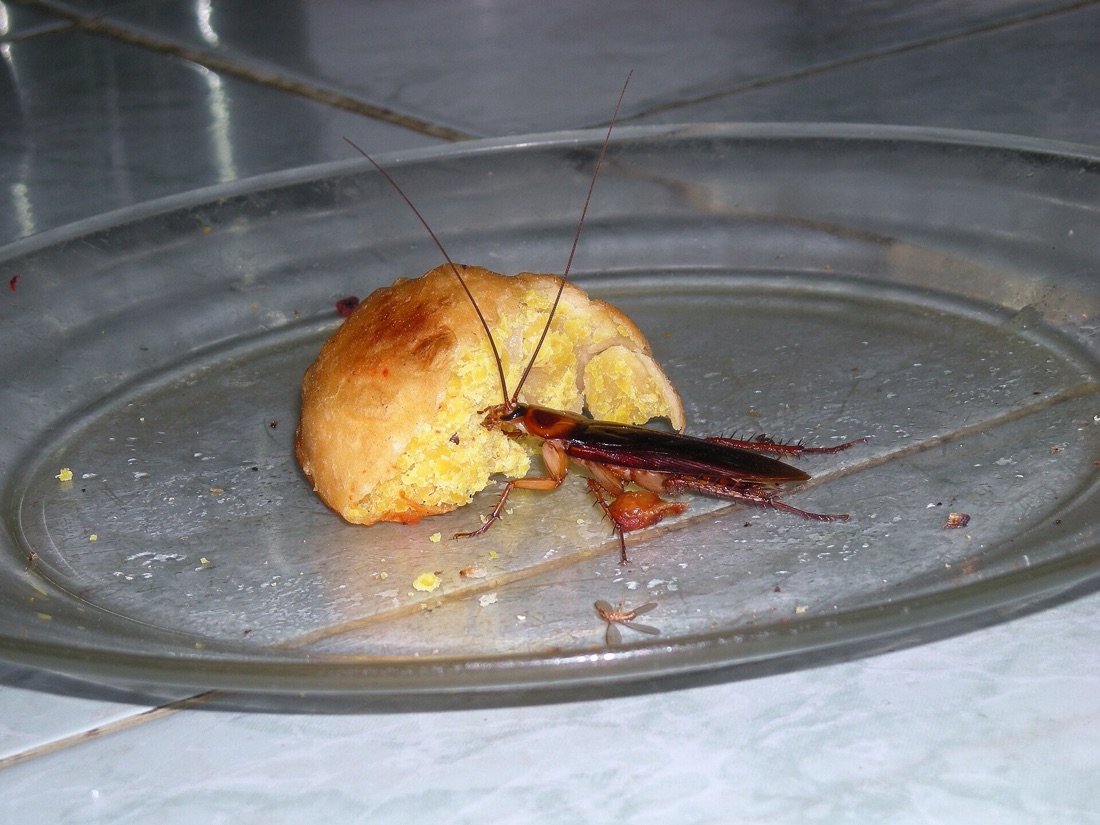
LARGE / REDDISH-BROWN
Periplaneta americana
A large reddish-brown species with a pale marking behind the head. It favors warm, damp places such as basements and drain areas.
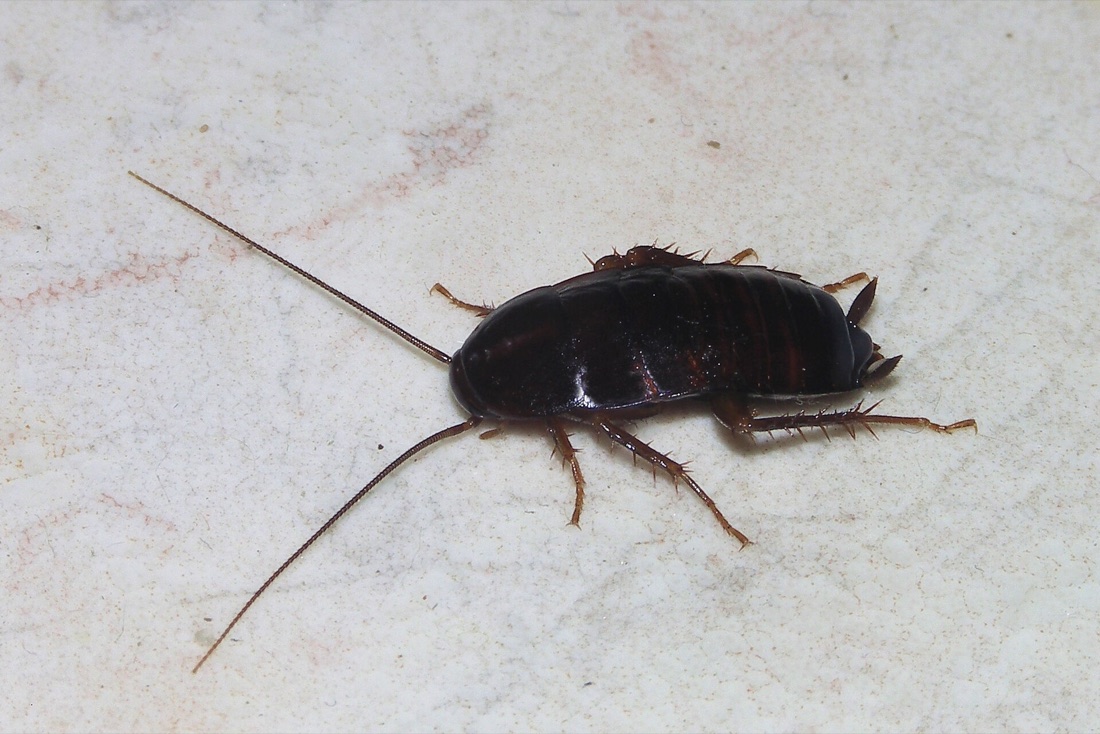
DARK / DAMP PLACES
Blatta orientalis
Dark brown to nearly black and associated with damp, cooler areas such as basements, crawl spaces and drains.
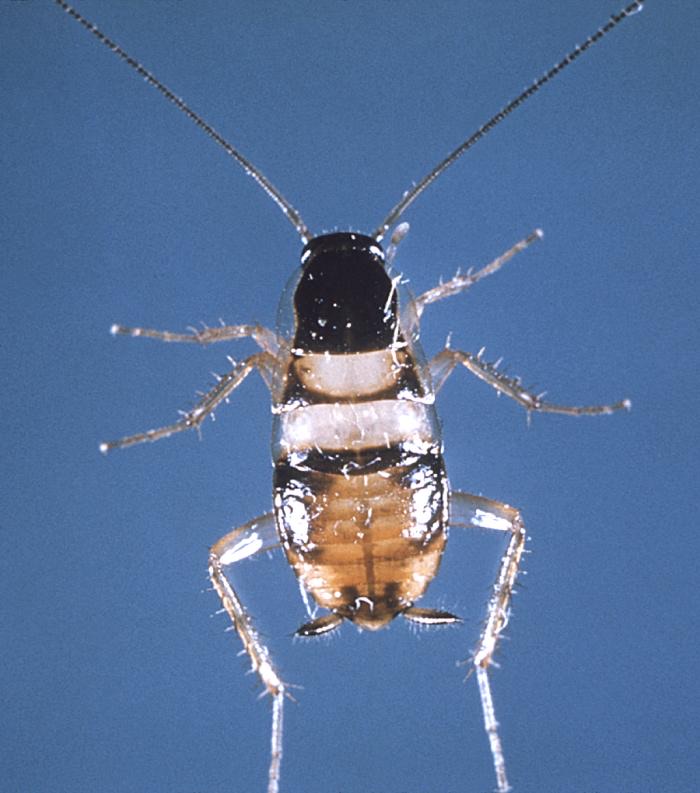
SMALL / DISTINCT PALE BANDS
Supella longipalpa
Small, with pale bands across the body. It can hide in warmer, drier places, including furniture and higher shelving.
These are common indoor pest species described by university extension guidance. A household sighting alone does not establish the species or the size of an infestation.
A PRACTICAL HOMEOWNER'S GUIDE
Lasting control pairs careful inspection with sanitation, moisture correction and treatment focused on where activity is found.
Store food in closed containers, clean spills and crumbs, and empty kitchen waste regularly.
Repair leaks, dry damp areas and avoid leaving pet food or water out overnight.
Clear unnecessary cardboard and clutter, and close gaps around pipes and wall openings.
Use a professional inspection to locate activity and choose an approach suited to the species and property.
THE VORIAN APPROACH
We assess the signs, identify likely harborages and recommend a measured next step for your property.
REQUEST SERVICE