Vacuum gently
Collect beetles with a vacuum and empty it promptly. Avoid crushing them on walls or fabric.

VORIAN / LADYBUG CONTROL
When Asian lady beetles gather at your home, the best plan begins at the exterior. Thoughtful seasonal service across Middlesex, Union and Essex counties, New Jersey.
REQUEST SERVICE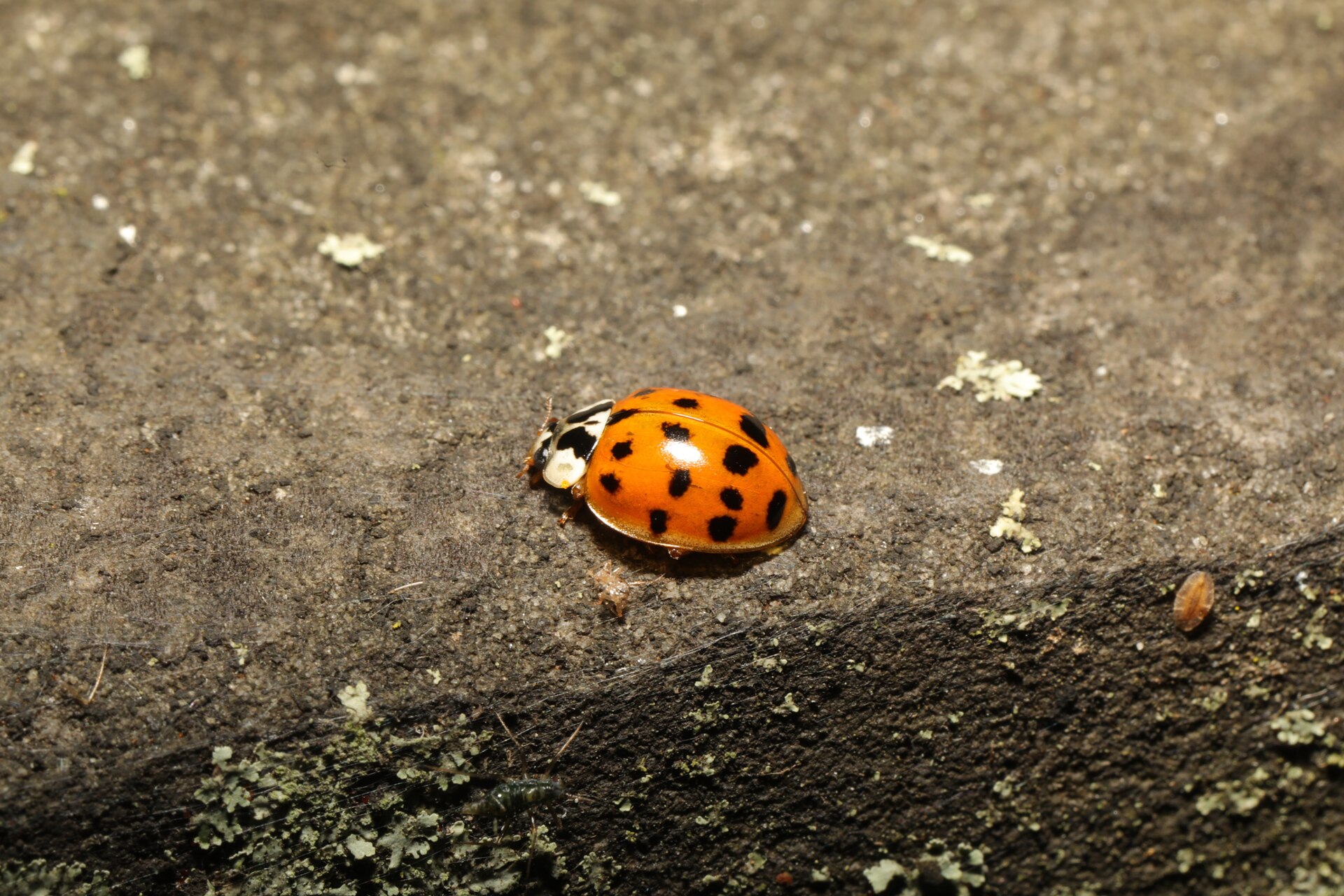
A PRACTICAL HOME GUIDE
The beetles that gather indoors in large numbers are often multicolored Asian lady beetles. Remove the visitors you see, then address the openings they use in fall.
Collect beetles with a vacuum and empty it promptly. Avoid crushing them on walls or fabric.
Look for gaps around siding, windows, doors, vents and utility openings.
Caulk suitable cracks, repair screens and add sound weatherstripping where needed.
Exclusion works best before beetles seek winter shelter. Ask about focused exterior service when activity warrants it.
THE SEASONAL PATTERN
Multicolored Asian lady beetles look for protected places to overwinter. They can gather on sunny walls in fall, slip through small gaps and later appear near windows on mild days. They do not reproduce indoors.
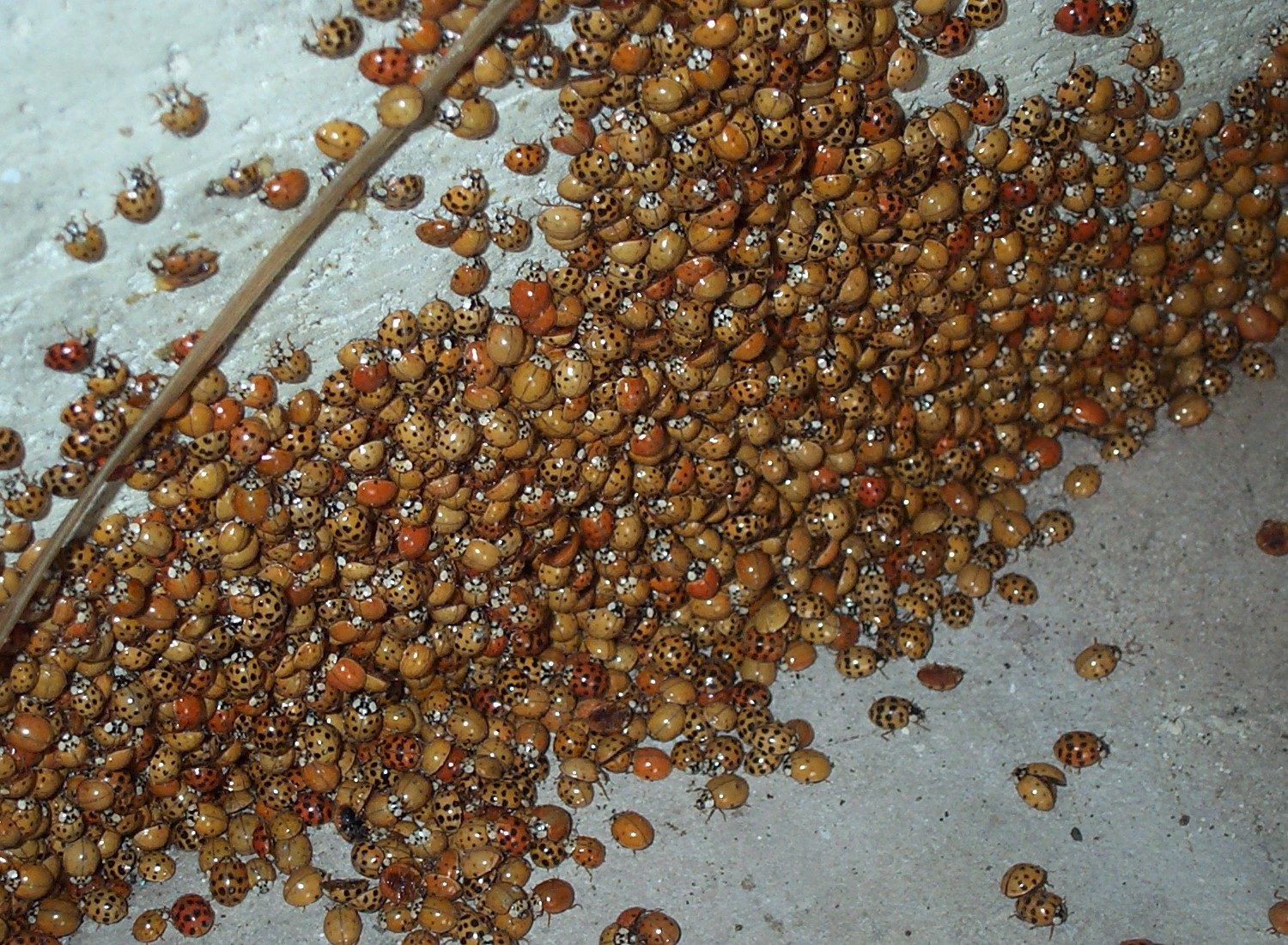
Adults gather on buildings as days shorten and temperatures fall.
They rest in protected wall spaces and around windows rather than feeding indoors.
Some become active and move toward light, often appearing at windows.
A FIELD GUIDE
Lady beetles vary in color and spots. The Asian lady beetle is the species most associated with fall gatherings on homes; other lady beetles are valuable outdoor predators. A clear photo helps with identification.
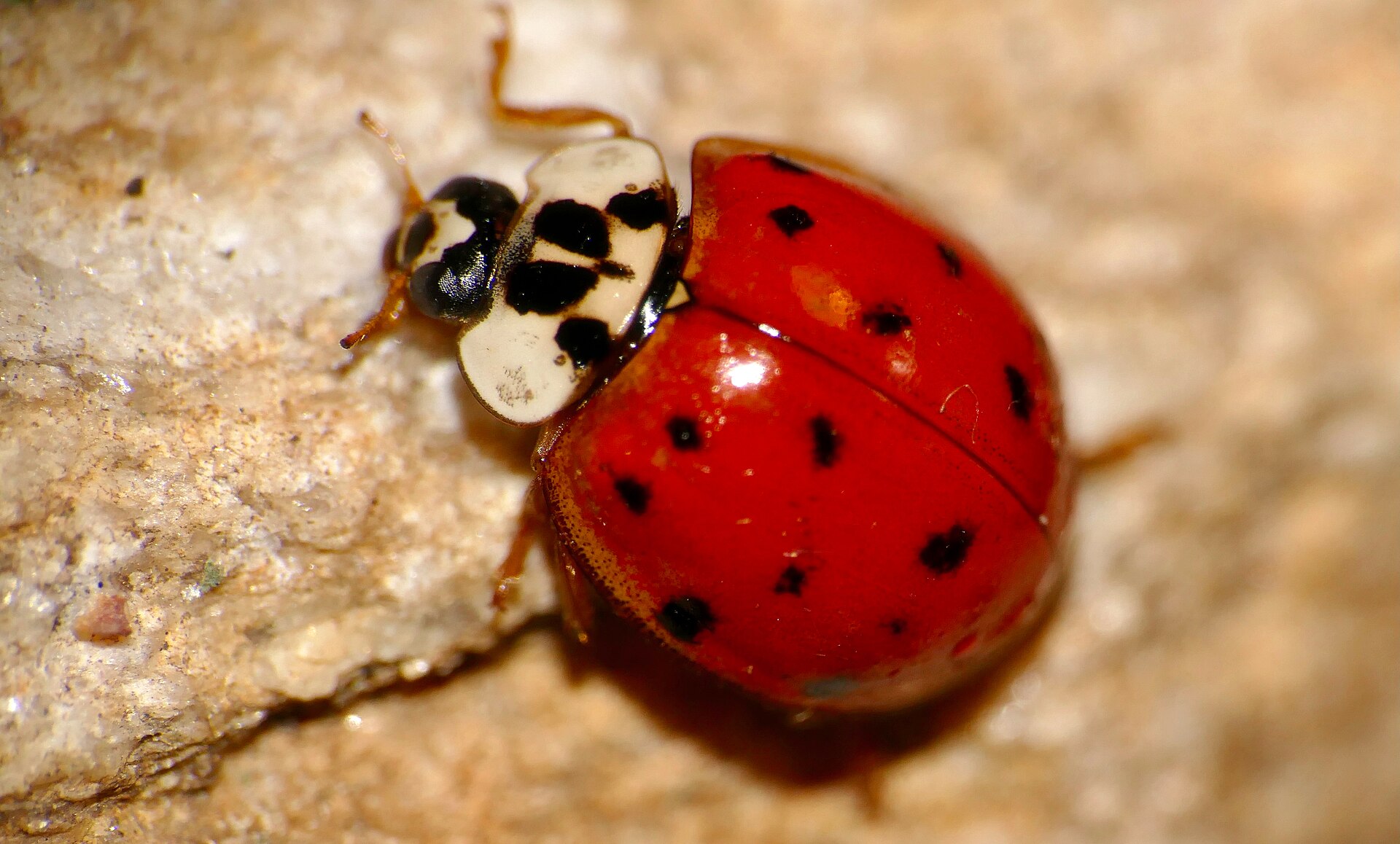
Often yellow, orange or red with a variable number of spots. A dark M-shaped mark behind the head is a useful clue; adults commonly cluster at buildings in fall.
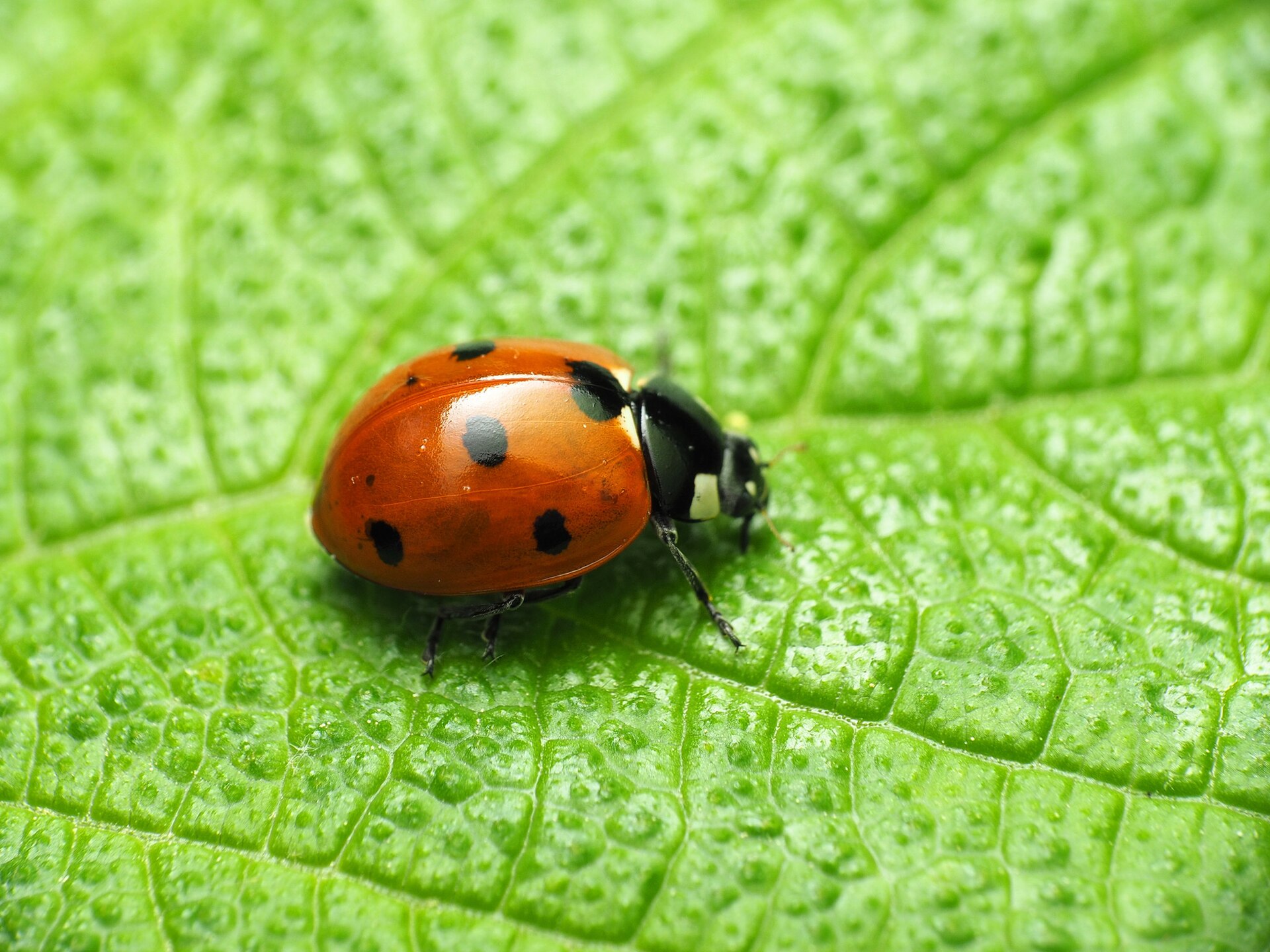
Typically red with seven black spots. An introduced species, it is a predator of aphids outdoors.
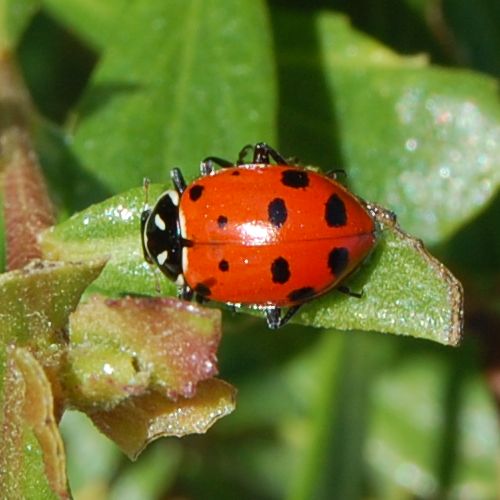
Orange to red with pale markings behind the head that angle toward one another. Like many lady beetles, it feeds on aphids.
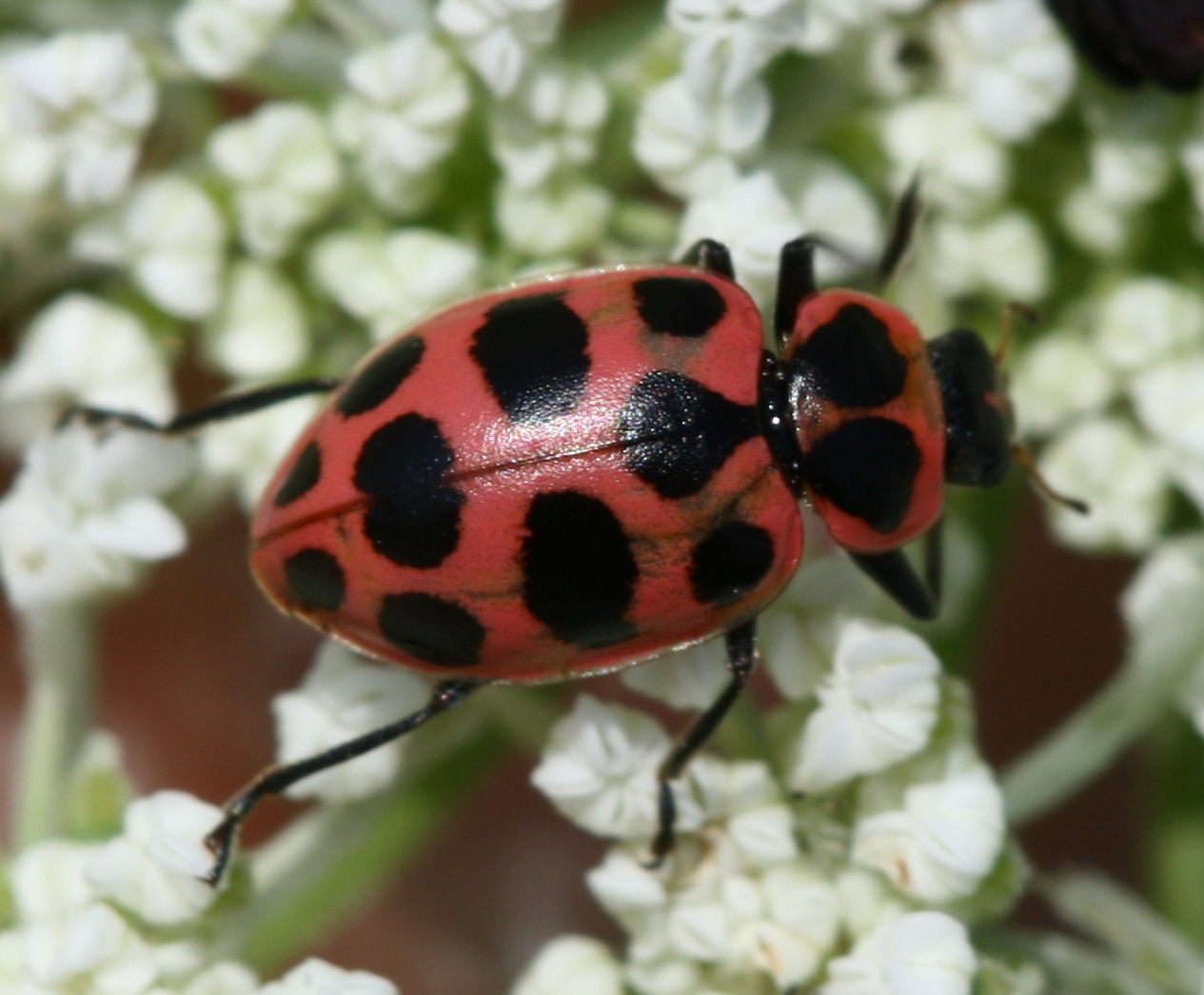
Often pink to red with dark spots and a longer oval shape. It is a beneficial predator in gardens and fields.
QUESTIONS FROM HOMEOWNERS
The indoor nuisance is usually seasonal. These common questions help distinguish an unpleasant encounter from a structural problem.
Multicolored Asian lady beetles occasionally bite people, usually causing only brief discomfort. They do not feed on blood.
When disturbed, they may release a yellow defensive fluid with an odor. It can also leave a stain, so avoid crushing them.
Asian lady beetles do not eat wood, fabrics or stored food and do not breed indoors. Their large seasonal gatherings are the main concern.
THE VORIAN APPROACH
A careful assessment helps protect the home while recognizing that many lady beetles belong in the garden.
We identify the beetle, check gathering areas and entry routes, and recommend seasonal measures suited to your property. The priority is keeping nuisance beetles outside.
REQUEST SERVICEConfirm the species and assess where beetles gather.
Examine openings around the exterior shell.
Prioritize useful sealing, screen and weatherstrip repairs.
Consider targeted exterior service before fall entry when appropriate.
Research: University of Minnesota Extension, Multicolored Asian Lady Beetles; Penn State Extension, Multicolored Asian Lady Beetle; Rutgers NJAES, Beneficial Insects. Photography: Stephen James McWilliam, hero (CC BY 4.0); Jared Birk, cluster (CC BY-SA 3.0); Bernard Dupont (CC BY-SA 2.0); Katja Schulz (CC BY 4.0); Eugene Zelenko (CC BY-SA 4.0); S. Rae (CC BY 2.0). Images cropped for layout; specimens are not shown at natural size.