Trace the activity
Check bathrooms, basements, houseplants and foundation edges to see where they concentrate.
VORIAN / SPRINGTAIL CONTROL
Careful springtail identification and moisture-focused service for homes and businesses across Middlesex, Union and Essex counties.
REQUEST SERVICE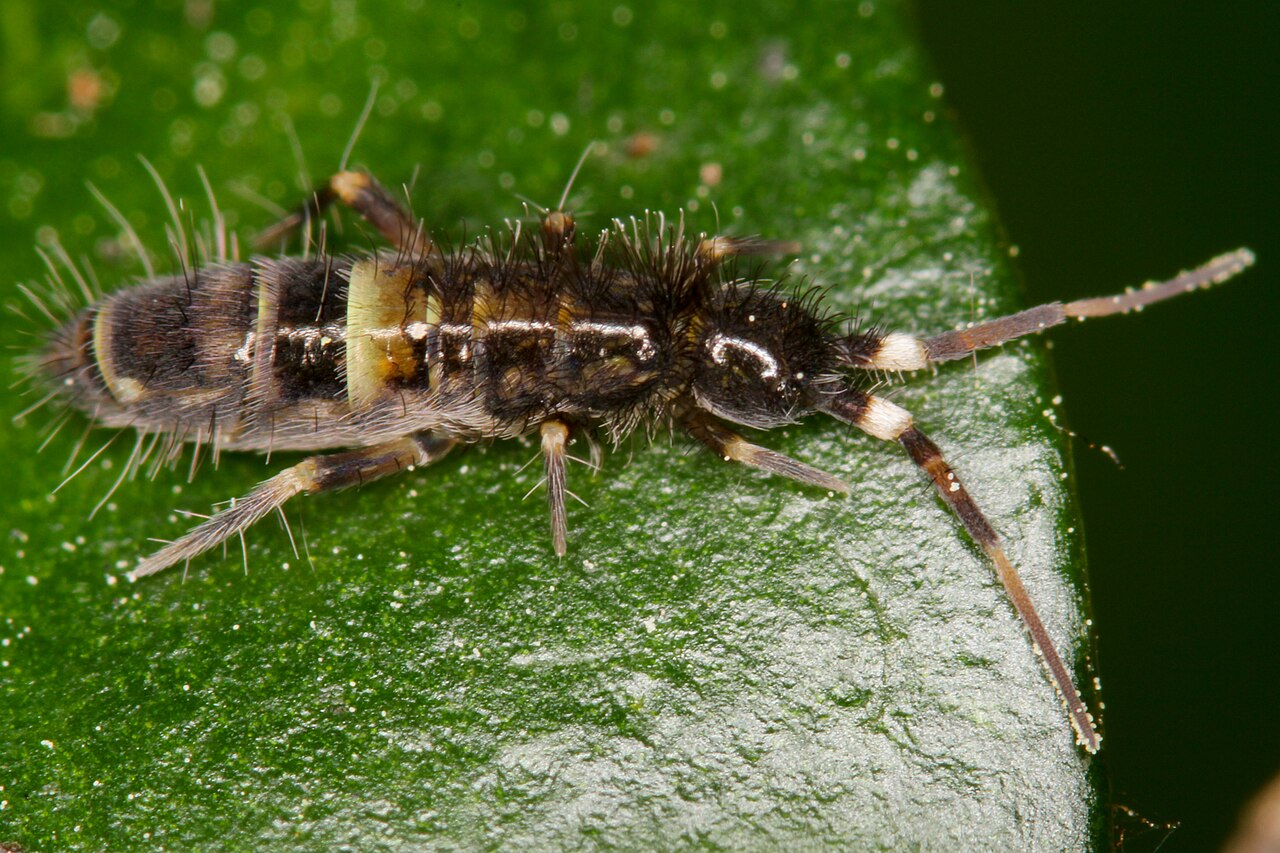
A PRACTICAL HOME GUIDE
Springtails thrive in damp places and often gather near leaks, wet potting soil, mulch or other moist organic material. Lasting control begins by locating and correcting the moisture source.
Check bathrooms, basements, houseplants and foundation edges to see where they concentrate.
Fix leaks and drainage problems, then dry affected spaces with ventilation or a dehumidifier.
Let overwatered potting soil dry appropriately between waterings; empty standing water from saucers.
Pull back wet mulch and debris near the foundation, and seal relevant gaps and screens.
IDENTIFICATION, WITHOUT GUESSWORK
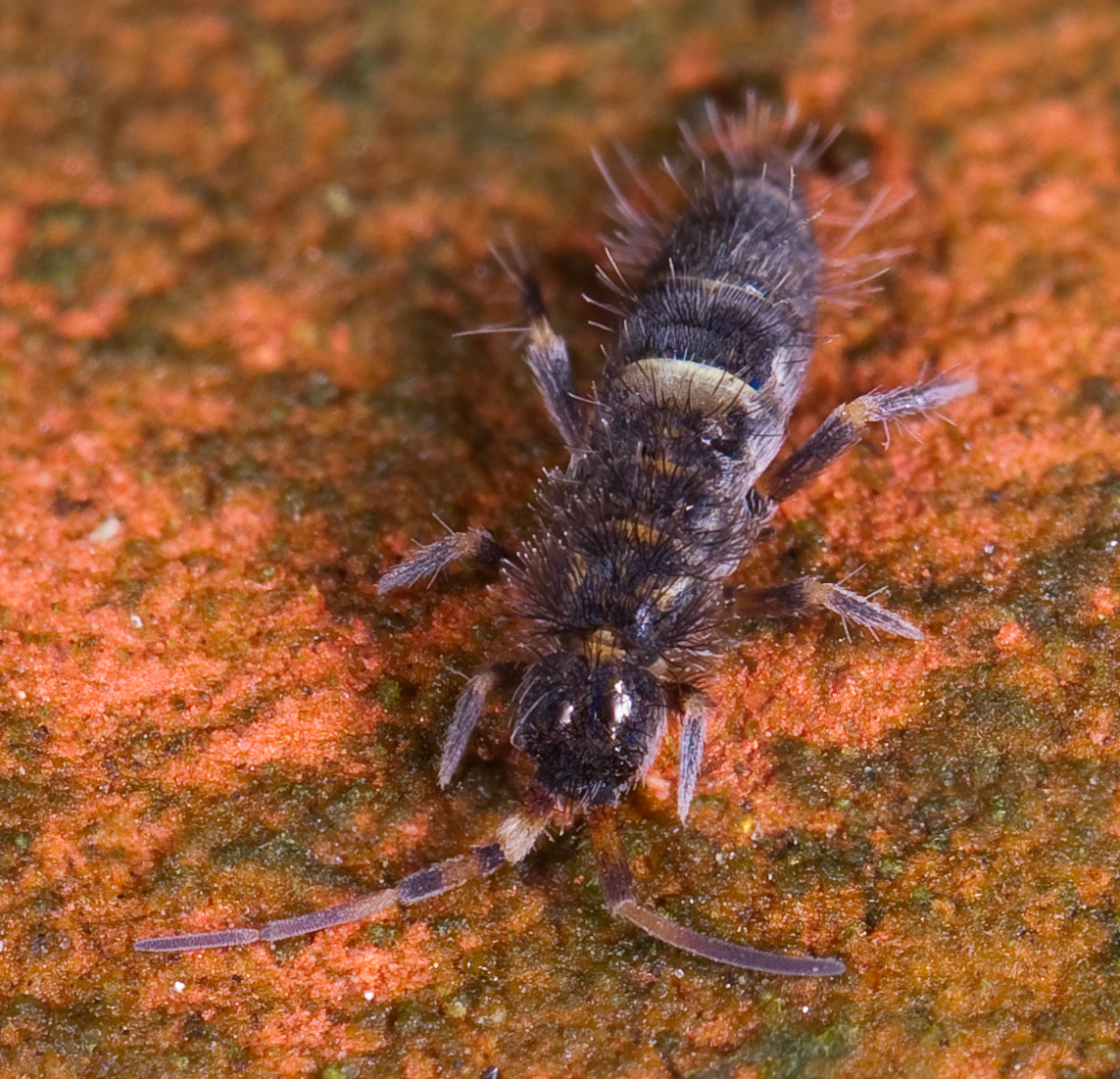
Springtails are tiny, wingless arthropods in the order Collembola. Their shapes, colors and markings vary; these six real photographs show several distinct forms.
A long, segmented springtail with a pale band. It represents one of the elongated forms seen in moist outdoor habitats.
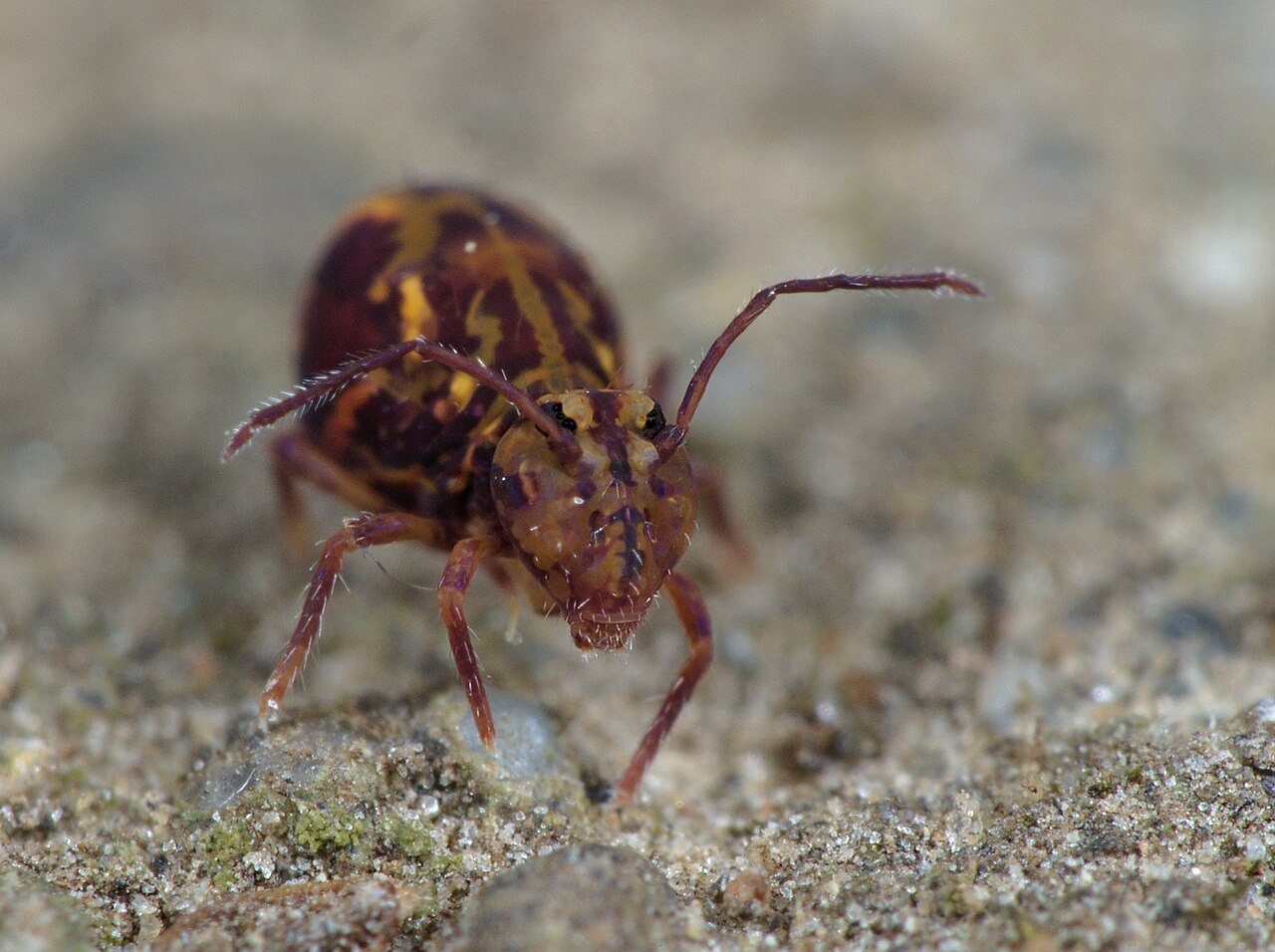
Rounded body and long antennae. Globular springtails look markedly different from the slender forms.
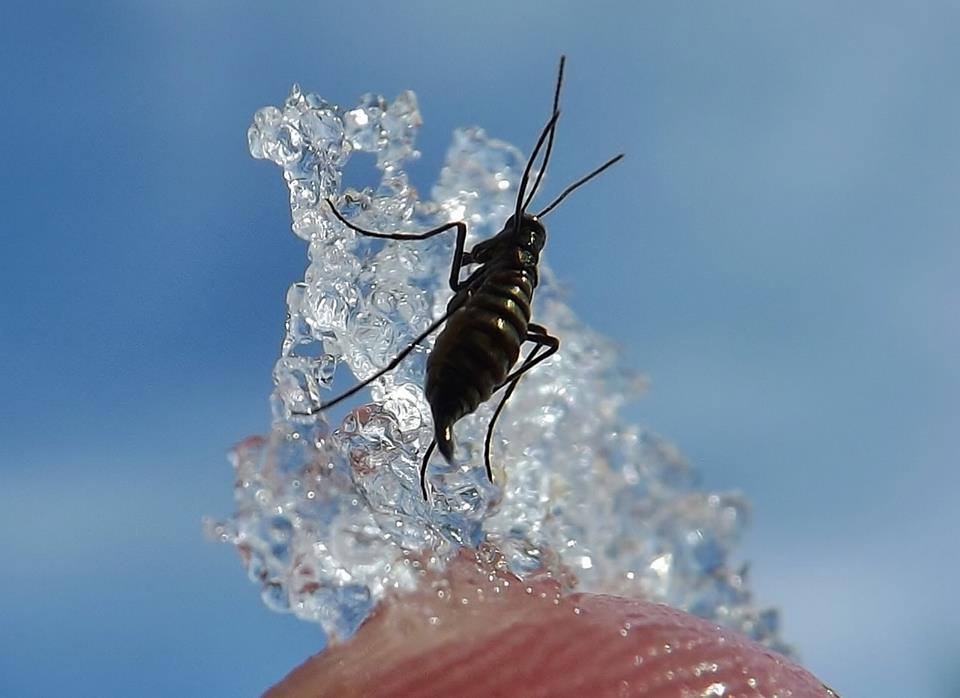
A dark springtail that may be visible on snow during winter thaws. Despite its name, it is not a flea.
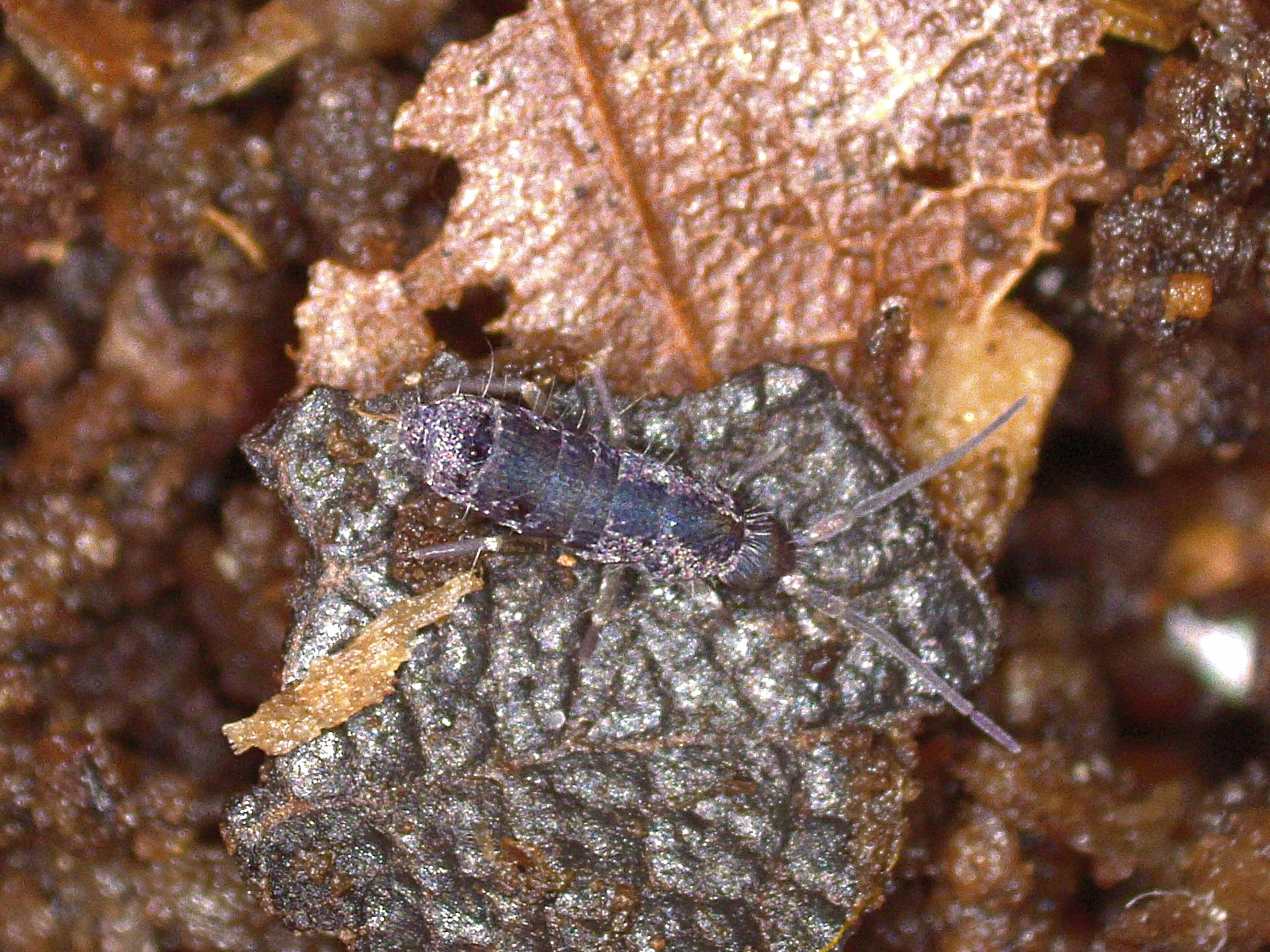
An elongated, scaled springtail with conspicuously long antennae. It is associated with moist leaf litter and decaying organic material.
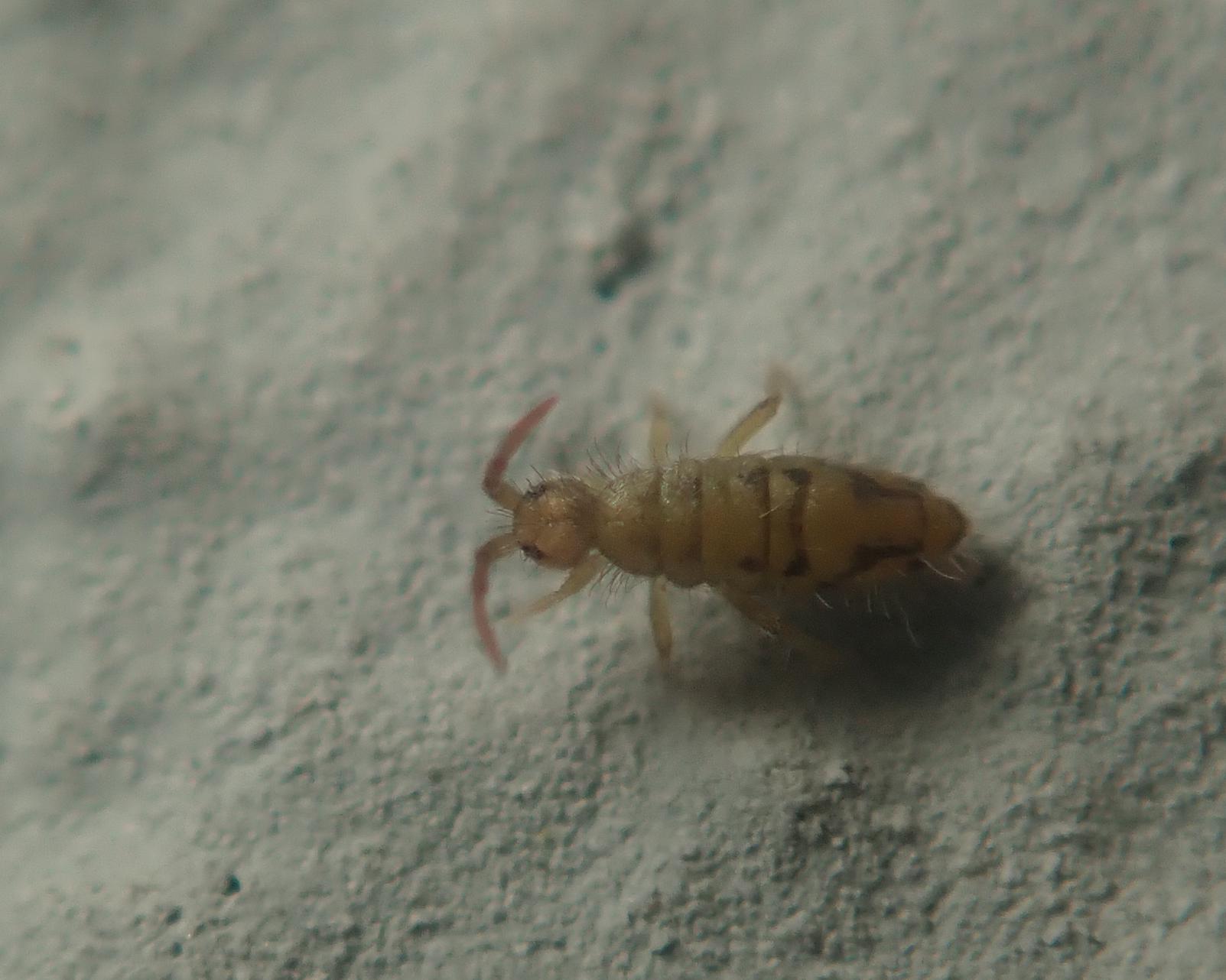
A slender springtail with a pale body and dark dorsal markings. Its color pattern can vary among individuals.
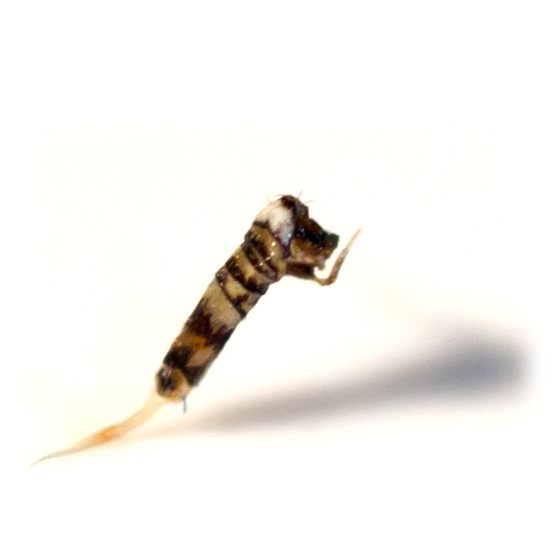
A small, elongated springtail whose forms may show contrasting dark bands across the abdomen.
QUESTIONS FROM HOMEOWNERS
These answers cover bathrooms, plants, bites and what repeated sightings may mean.
They are drawn to damp areas. Check for condensation, plumbing leaks and moisture around tubs, sinks and drains.
No. Springtails do not bite or sting. They are usually a nuisance because they can gather in large numbers.
They can feed on fungi and often signal moisture, but their presence alone does not prove a mold problem. Investigate the water source and any visible growth.
Reduce overwatering, allow the soil to dry appropriately between waterings, and avoid standing water in the saucer.
SMALL CREATURES, CLEAR CLUES
Their presence follows moisture and organic matter. Use the location of sightings to narrow the source.
Leaks, condensation and damp basements can support continuing activity.
Overwatered houseplants can hold moisture and organic material springtails use.
Wet leaf litter and mulch along a foundation can provide habitat close to entry points.
Many springtails use a forked appendage under the body to spring away when disturbed.
THE VORIAN APPROACH
We identify the activity, inspect the conditions sustaining it and recommend practical steps for the property.
The goal is to correct moisture and access conditions first. When professional treatment is warranted, it is part of a focused plan rather than the entire plan.
REQUEST SERVICEDetermine whether the activity is springtails and where it is concentrated.
Review leaks, drainage, humidity, plant soil and damp exterior cover.
Recommend drying, cleaning, plant-care and exclusion measures suited to the site.
Reassess activity after the moisture source and entry conditions are addressed.
Research: University of Minnesota Extension: Springtails; UC IPM: Springtails; Penn State Extension: Springtails. Photography: Andy Murray, hero, CC BY-SA 2.0; Mvuijlst, belted springtail, CC BY-SA 3.0; Gilles San Martin, globular springtail, CC BY-SA 4.0; Pfhewi, snow flea, CC BY-SA 4.0; Donald Hobern, slender springtail, CC BY 2.0; Alexis, winter springtail, CC BY 4.0; Benjamin Smith, dark-banded springtail, CC BY 2.0. Images resized and framed for display.