Remove current visitors
Vacuum or sweep up earwigs indoors and empty the vacuum outside.

VORIAN / EARWIG CONTROL
Thoughtful earwig identification and control for homes and businesses across Middlesex, Union and Essex counties, New Jersey.
REQUEST SERVICE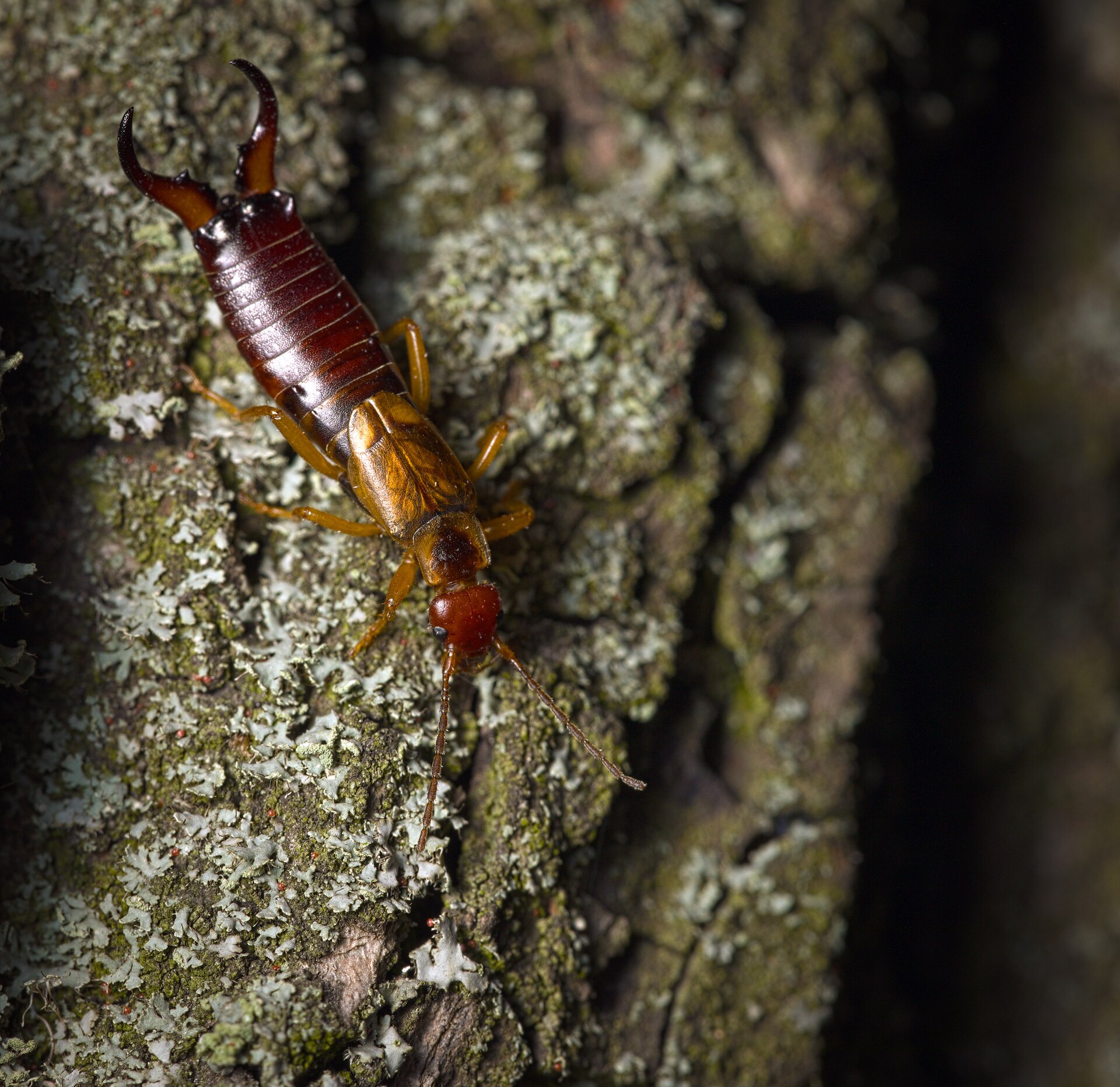
A PRACTICAL HOME GUIDE
Remove the earwigs you see, then make the exterior less inviting. They spend much of their time outdoors in cool, damp shelter and can slip indoors through openings near ground level.
Vacuum or sweep up earwigs indoors and empty the vacuum outside.
Repair leaks, improve drainage and reduce persistent moisture near the foundation.
Move leaf litter, dense mulch, boards and other damp debris away from doors and walls.
Repair door sweeps and screens; seal suitable gaps around doors, windows and utility lines.
FOLLOW THE CONDITIONS
Earwigs favor sheltered, moist outdoor places and are most active at night. A sighting inside usually points to a nearby hiding place and an accessible route into the home.
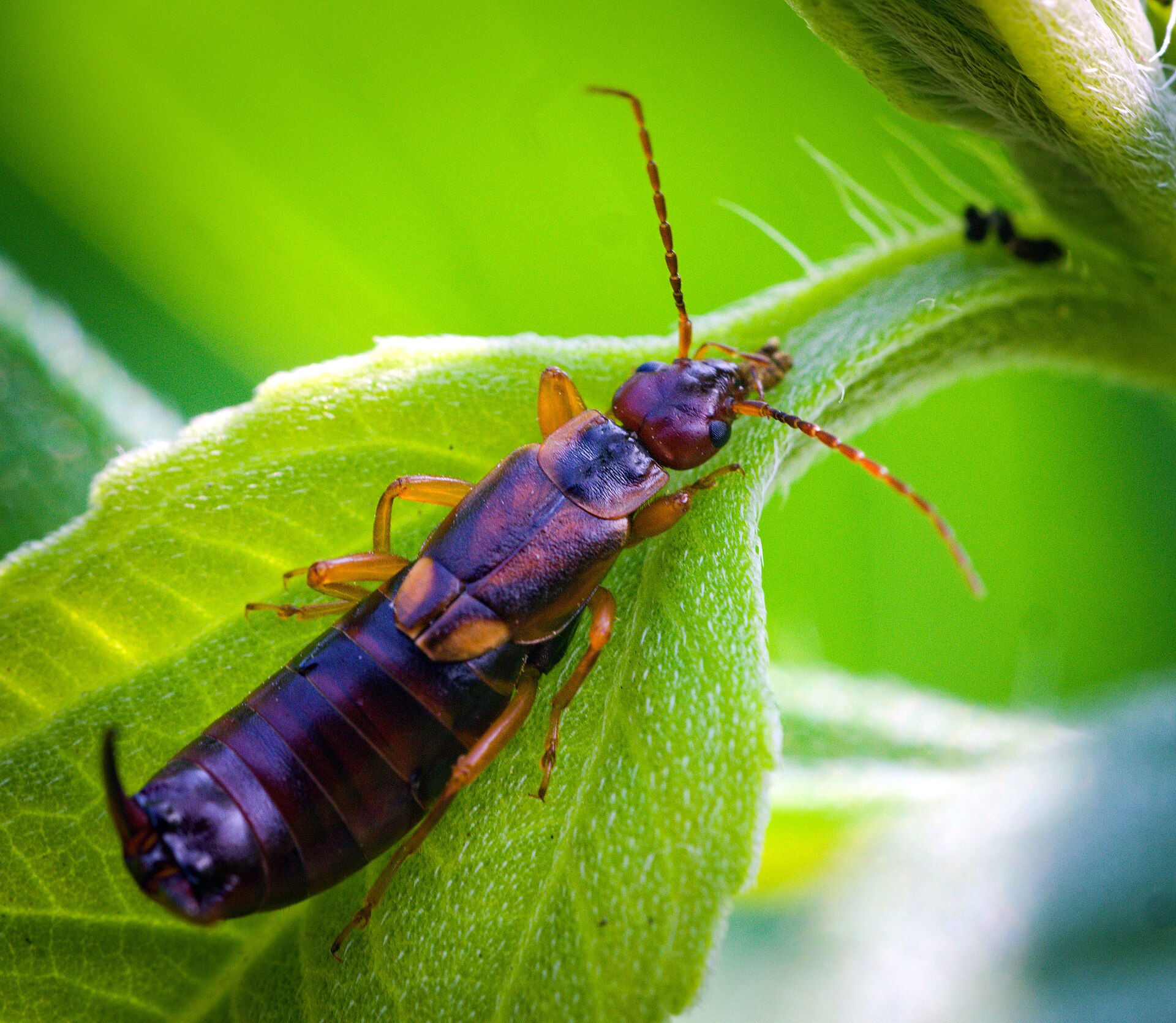
Mulch, leaf litter, flower pots and boards offer shaded daytime hiding spots.
Door thresholds, damaged screens and gaps around the building can allow accidental entry.
Because they are nocturnal, earwigs may appear indoors at night even when daytime inspection finds little.
IDENTIFICATION / NEW JERSEY
The European earwig, Forficula auricularia, occurs in New Jersey. Look for a slender reddish-brown body, long antennae and a pair of forceps at the tip of the abdomen.
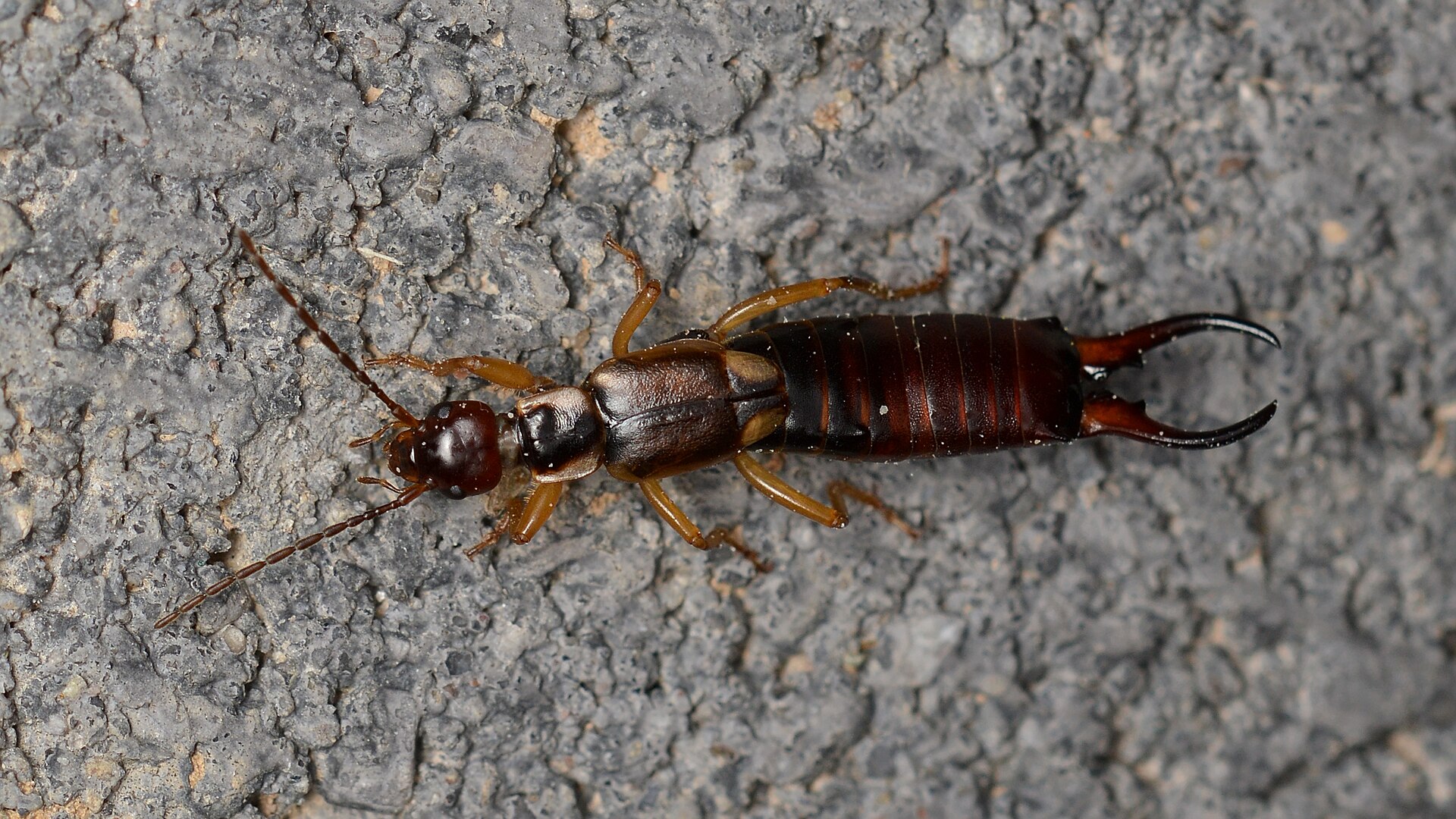
His rear forceps are generally more curved and pronounced. Their shape varies among individuals.
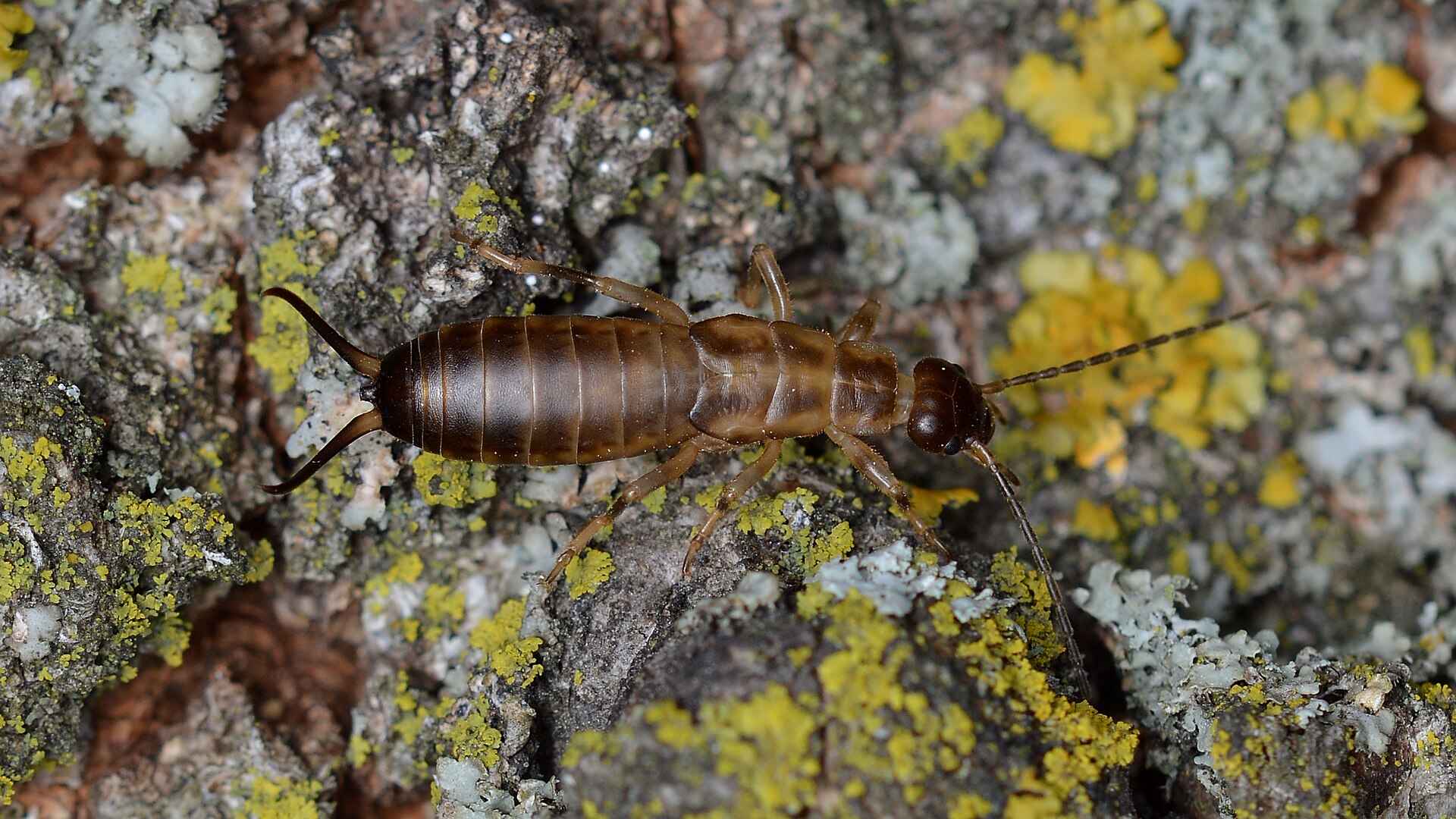
Her forceps are usually straighter. Adults have short wing covers, although they are rarely seen flying.
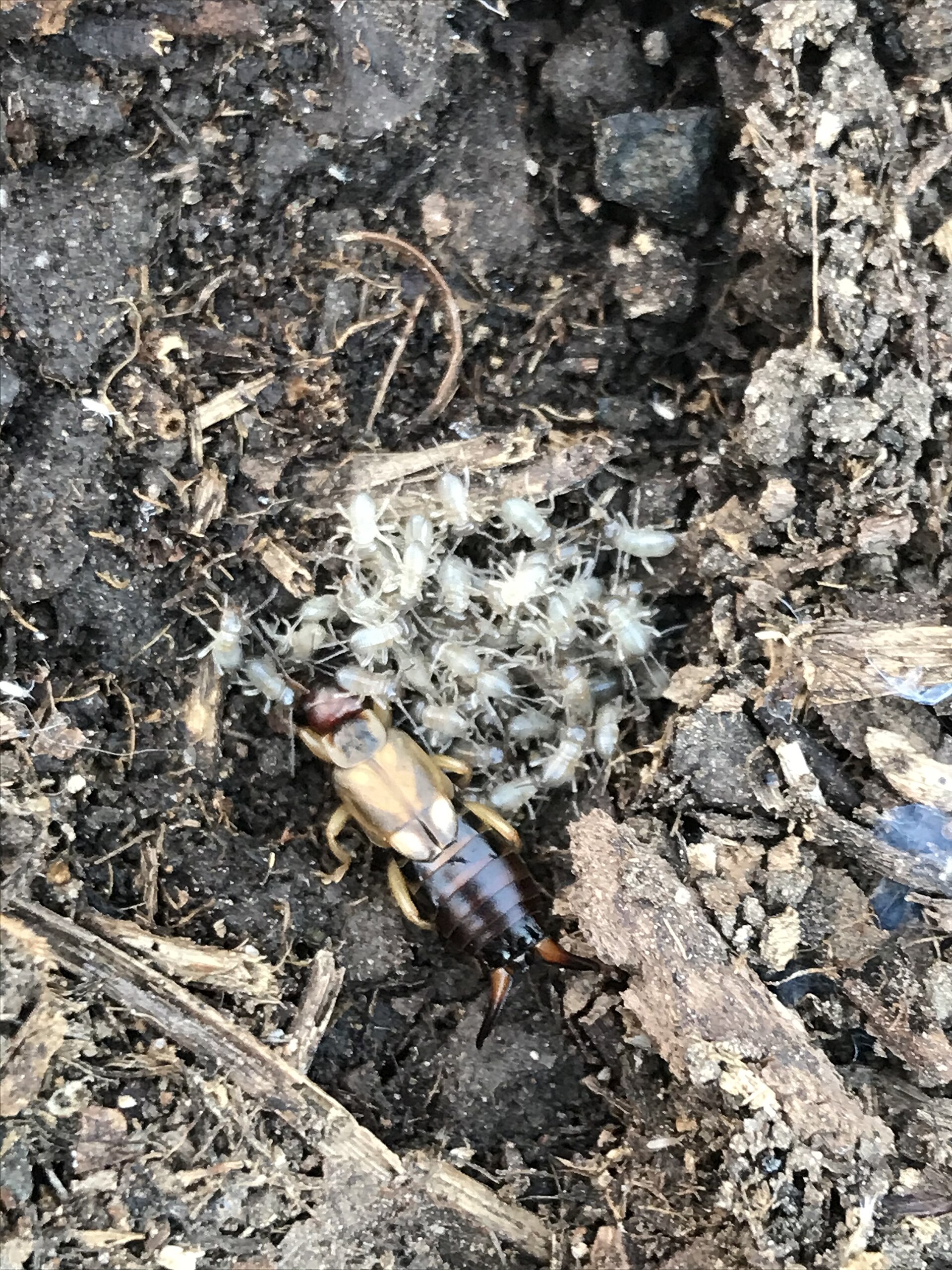
Nymphs resemble small, paler adults and have no developed wings. This photograph also shows maternal care.
QUESTIONS FROM HOMEOWNERS
The name and the forceps can make this insect seem more alarming than it is. Here are clear answers to common searches.
They can use their forceps to give a mild pinch if handled or trapped against skin. Earwigs are not venomous and are not considered a health threat.
No. The idea that earwigs seek out ears is a myth. Their usual hiding places are cool, dark crevices outdoors.
They do not damage the structure or stored food and do not establish breeding populations indoors. Their presence is usually a nuisance and a cue to check damp shelter and entry gaps.
THE VORIAN APPROACH
A tailored inspection turns a recurring sighting into a clear action plan for the property.
We look for active areas, moisture, sheltered exterior habitats and entry points. Recommendations focus on the conditions driving activity, with targeted treatment when it is appropriate.
REQUEST SERVICEConfirm the insect and map where sightings occur.
Assess dampness, drainage and nearby hiding places.
Point out useful repairs to sweeps, screens and gaps.
Use property-specific measures and exterior service only when warranted.
Research: Rutgers NJAES, European Earwig; University of Minnesota Extension; UC IPM. Photography: hedera.baltica, hero (CC BY-SA 2.0); Ryan Hodnett, male and female (CC BY-SA 4.0); hedera.baltica, earwig on leaf (CC BY-SA 2.0); Janna Layton, female and nymphs (CC BY-SA 4.0). Images resized and framed for display; specimens are not shown at natural size.