Seal entry points
Close gaps around siding, soffits, windows, doors, vents, pipes and utility penetrations.
VORIAN / STINK BUG CONTROL
Careful stink bug identification, exclusion and seasonal exterior service for homes and businesses across Middlesex, Union and Essex counties.
REQUEST SERVICE
A PRACTICAL HOME GUIDE
Brown marmorated stink bugs commonly enter buildings in fall to spend the winter. Lasting prevention focuses on exterior openings; insects already indoors can usually be removed without crushing them.
Close gaps around siding, soffits, windows, doors, vents, pipes and utility penetrations.
Replace torn screening and worn weatherstripping before cool fall weather begins.
Vacuum or capture individuals in a container. Empty the vacuum promptly and avoid crushing them.
Inspect sun-warmed exterior walls and upper openings before adults begin seeking winter shelter.
SEASONAL HOME INVADERS
They are not moving indoors to feed or reproduce. In fall, adults seek protected places to overwinter and may later become active near windows or lights on mild winter and spring days.
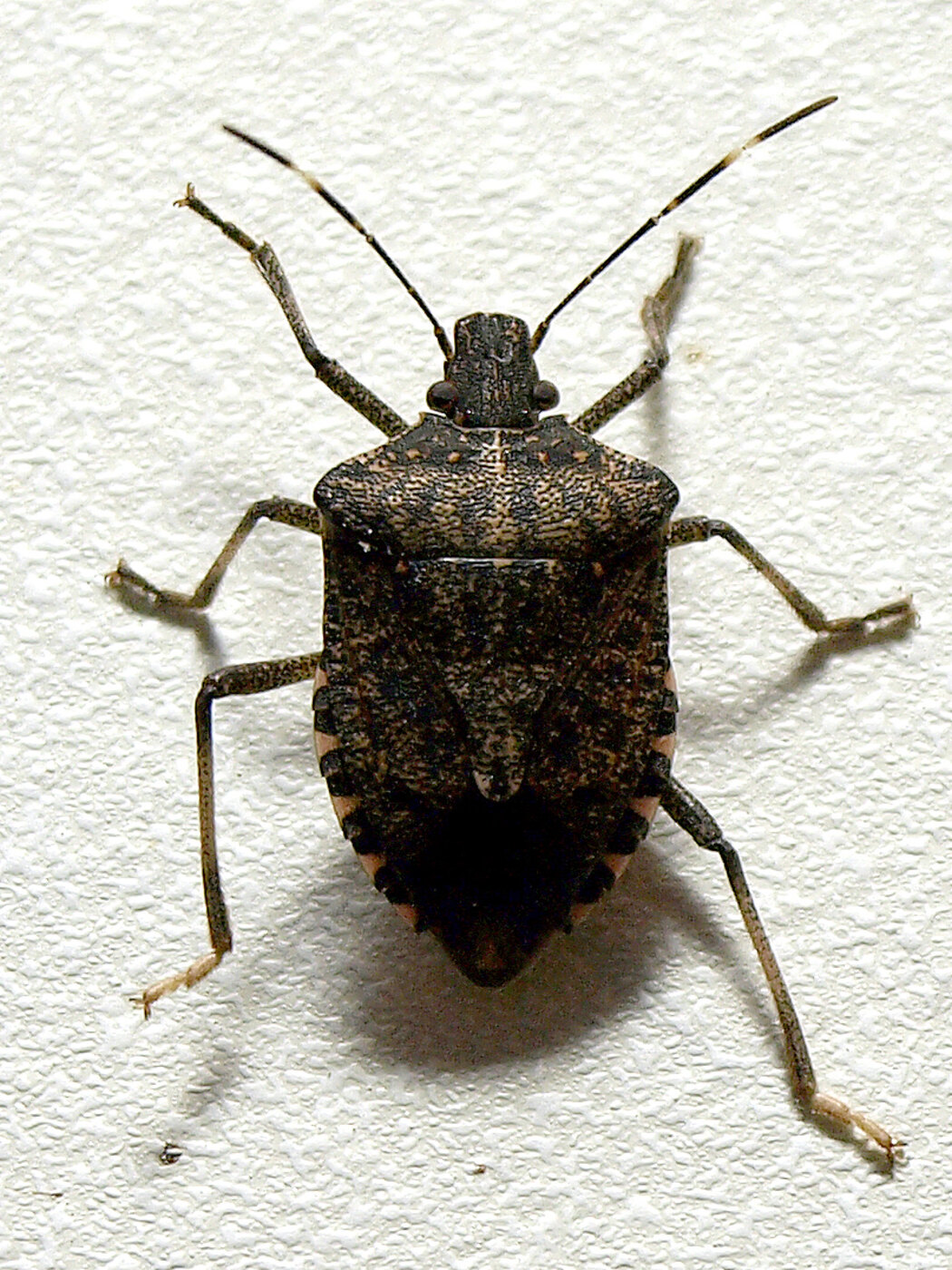
Cooler temperatures and shorter days trigger adults to gather on buildings and search for protected cracks.
Indoor warmth may wake some individuals. They do not establish a breeding population inside the house.
Overwintered adults become active and try to leave, which is why they are often noticed near windows.
IDENTIFICATION IN NEW JERSEY
Several shield-shaped bugs occur in the state. Identification matters: the brown marmorated stink bug is the familiar home invader, while the spined soldier bug is a useful predator.
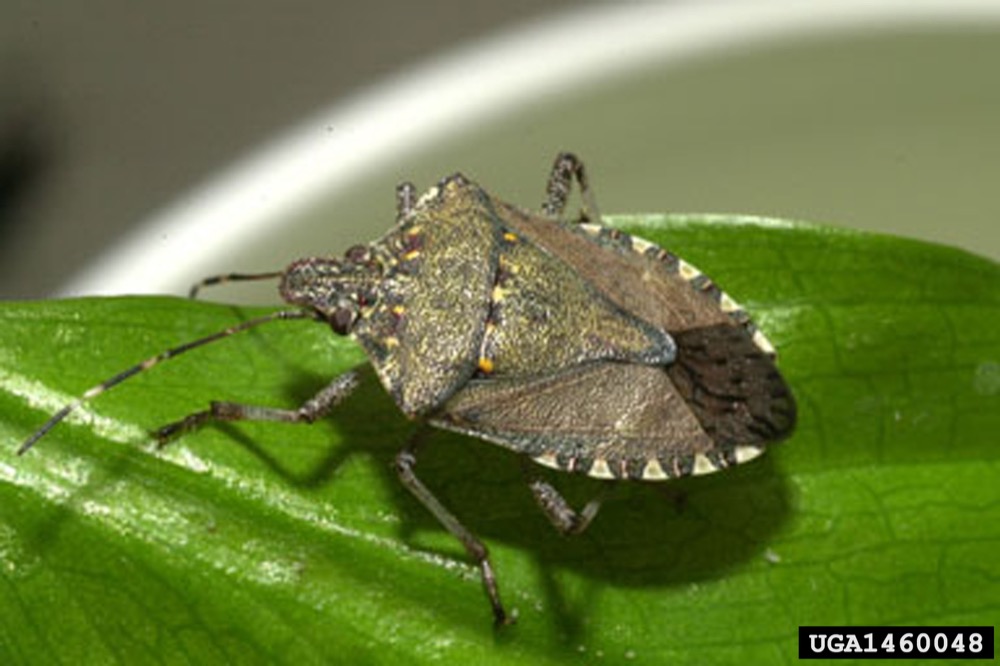
Mottled brown with pale bands on the antennae and alternating light and dark marks along the abdomen. This is the species most associated with large fall gatherings on New Jersey buildings.
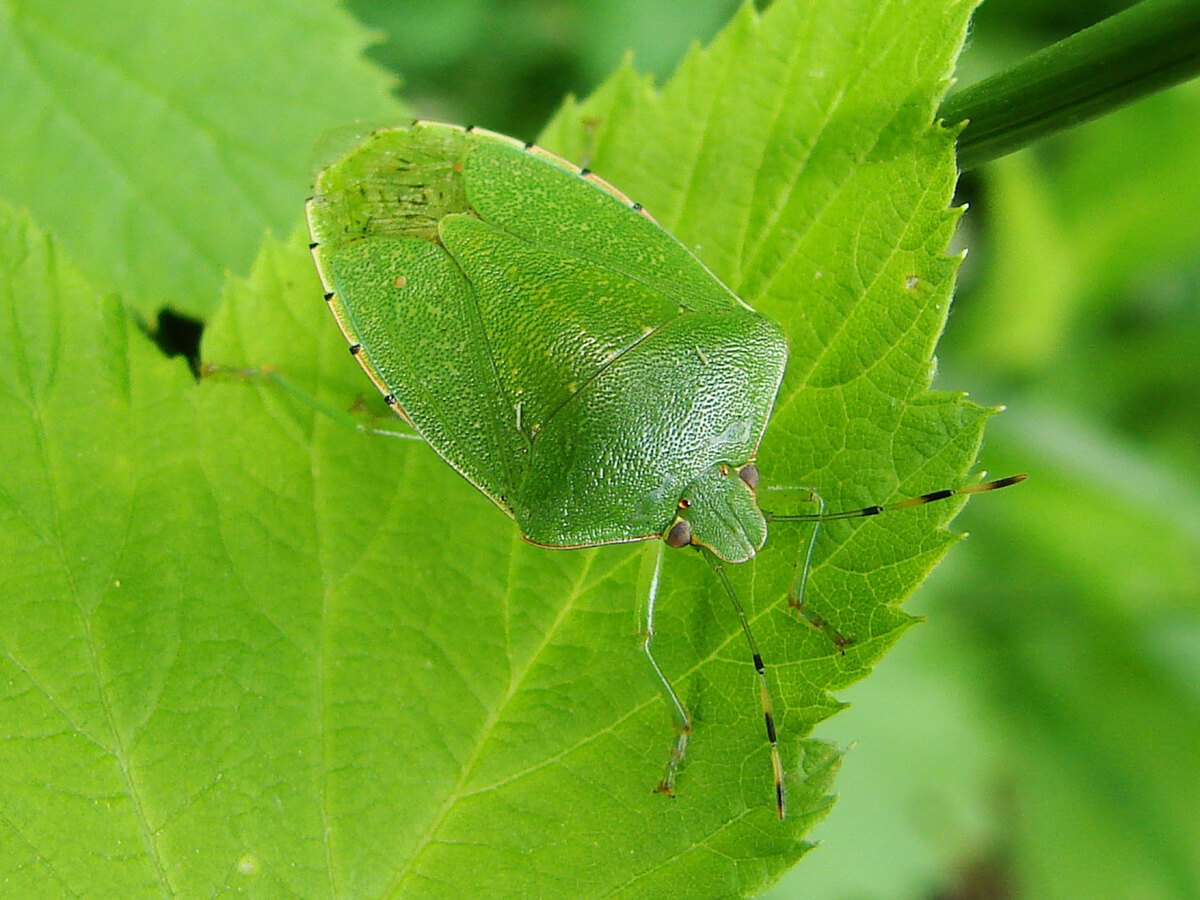
Bright green and shield-shaped, often with a narrow pale or yellow-orange margin. It is primarily an outdoor plant-feeding species.
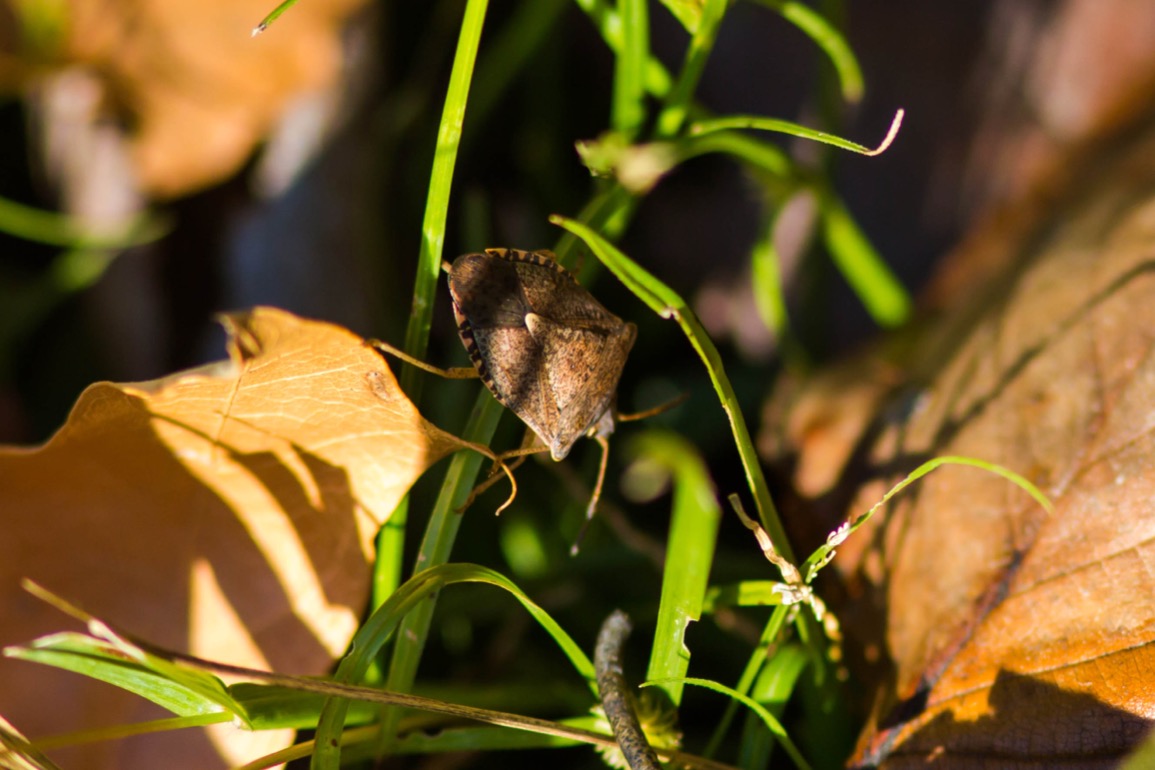
A more uniformly brown native species found on many plants. It lacks the strong pale antennal banding typical of the brown marmorated stink bug.
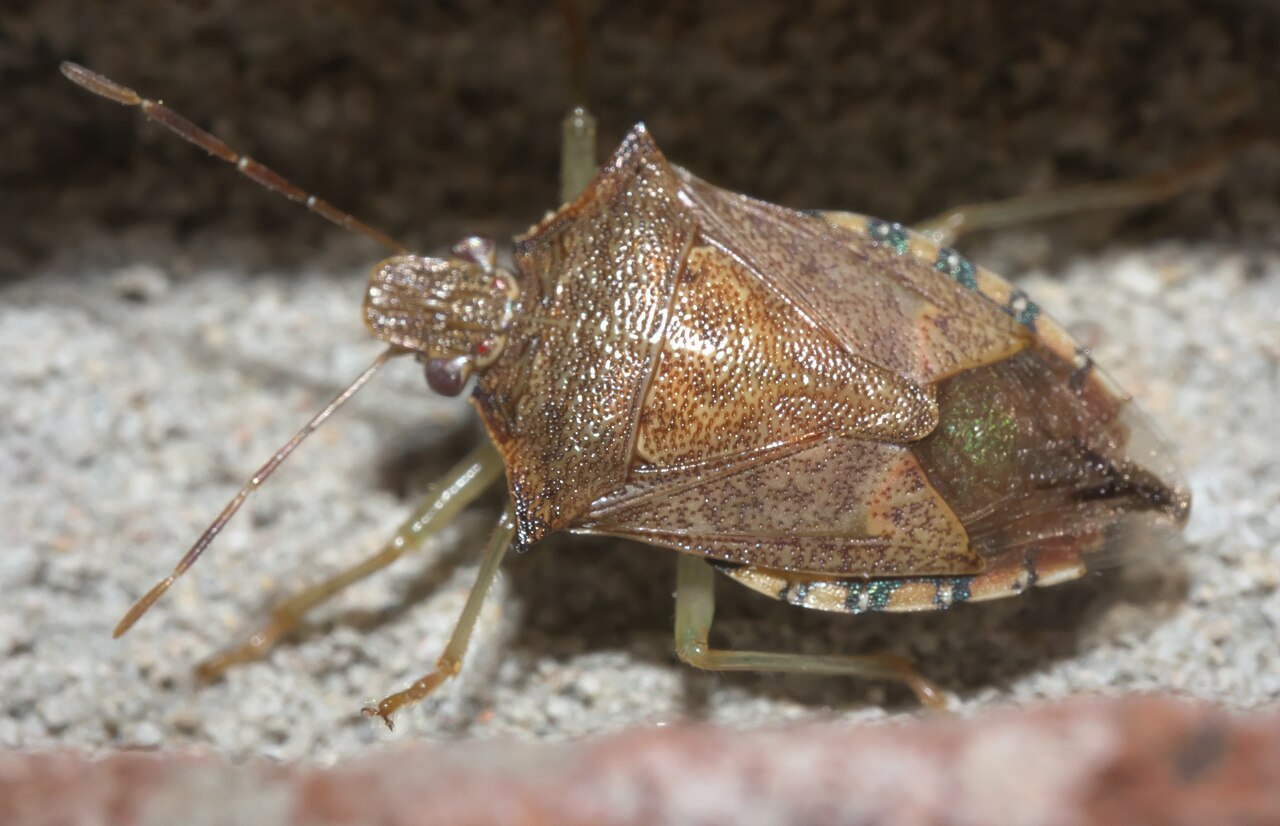
Recognized by its pointed shoulder spines. It preys on caterpillars and beetle larvae and should not be treated as a routine nuisance pest.
QUESTIONS FROM HOMEOWNERS
Clear answers about odor, bites, property damage and how to reduce repeat seasonal activity.
Brown marmorated stink bugs do not bite or sting people or pets. They are nuisance invaders inside buildings.
They release a defensive odor when threatened, handled or crushed. Gentle capture helps avoid the smell.
They do not eat wood or damage the structure, and they do not reproduce indoors. Large numbers can still be unpleasant.
Seal exterior gaps, repair screens and weatherstripping, and address likely entry areas before fall migration begins.
THE VORIAN APPROACH
We identify the insect, evaluate where seasonal entry is occurring and build a practical plan around the property.
Exclusion is the foundation. When a targeted exterior service is appropriate, timing and placement matter more than blanket interior spraying.
REQUEST SERVICEConfirm the insect and the locations where activity is concentrated.
Review doors, windows, siding, soffits, vents and utility penetrations.
Focus exterior recommendations on relevant surfaces and the migration window.
Prioritize exclusion and maintenance steps that reduce future access.
Research: Rutgers: Brown Marmorated Stink Bug; Rutgers NJAES FS002; Rutgers: Stink Bugs in Homes; Rutgers NJAES FS1270; University of Maryland Extension. Photography: Judy Gallagher, desktop hero, CC BY 2.0; Katja Schulz, mobile hero, CC BY 2.0; Lildobe, overwintering, CC BY-SA 3.0; David R. Lance / USDA APHIS PPQ, CC BY 3.0 US; Ilona Loser, CC BY-SA 3.0; Melissa McMasters, CC BY 2.0; Robert Webster, spined soldier bug, CC BY-SA 4.0. Images resized and framed for display.