Identify the pest
Determine whether the activity involves centipedes, millipedes or both.

VORIAN / CENTIPEDE & MILLIPEDE CONTROL
Thoughtful centipede and millipede control for homes and businesses across Middlesex, Union and Essex counties.
REQUEST SERVICE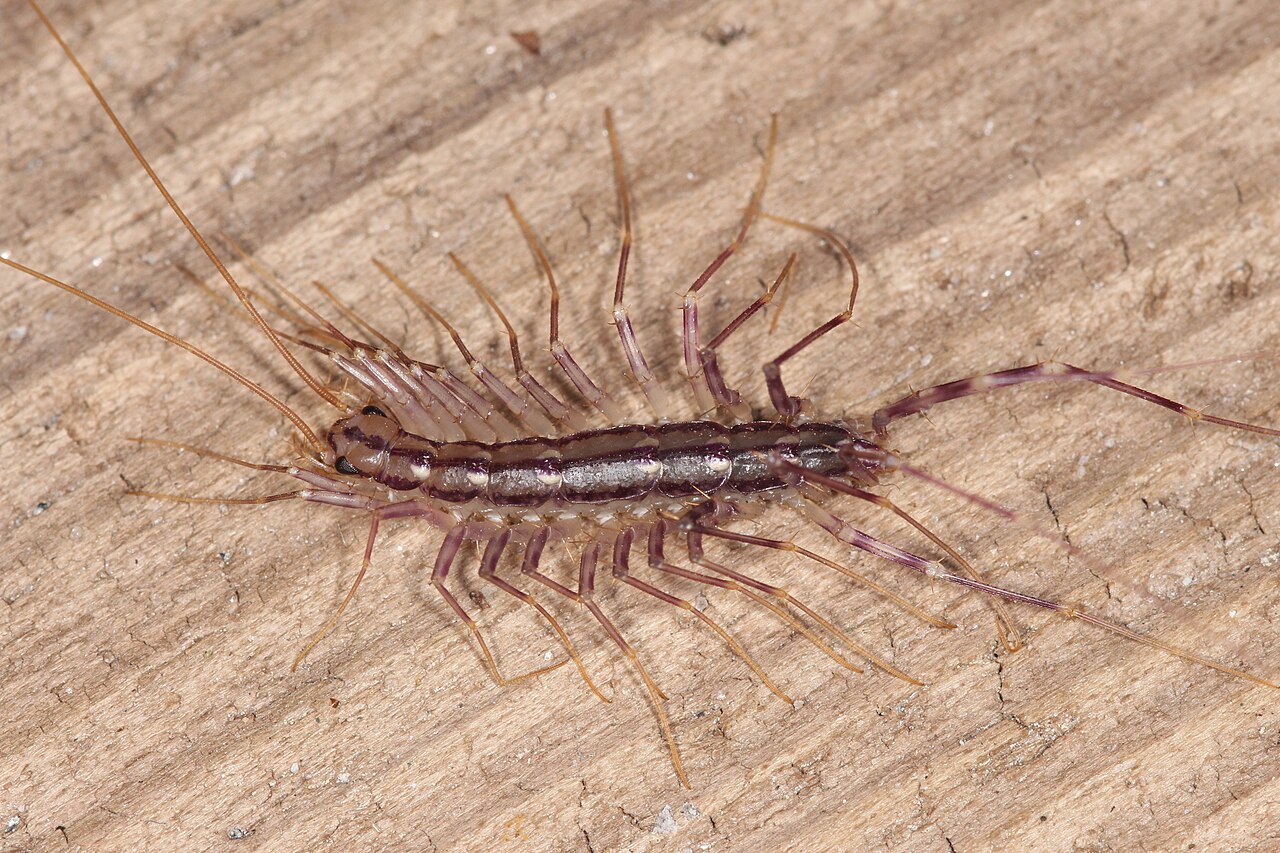
A PRACTICAL HOME GUIDE
Start by identifying what you are seeing and where it is entering. Addressing moisture, openings and sheltered areas around your home can help reduce activity.
Determine whether the activity involves centipedes, millipedes or both.
Repair leaks and improve ventilation or dehumidification in damp areas.
Close gaps around doors, foundations, windows and utility openings.
Move excess leaf litter and damp debris away from the foundation.
CENTIPEDE VS. MILLIPEDE
Both are many-legged arthropods, but their movement, body shape and diet differ. These clues can help distinguish them.
Generally flatter and faster-moving, centipedes have one pair of legs on most body segments. They are predators that feed on insects and other small arthropods.
Often rounded and slower-moving, millipedes have two pairs of legs on most apparent body segments. Many feed on decaying plant material and curl up when disturbed.
IDENTIFICATION GUIDE
From fast-moving house centipedes to the rounded millipedes found outdoors, appearance can offer a useful first clue.
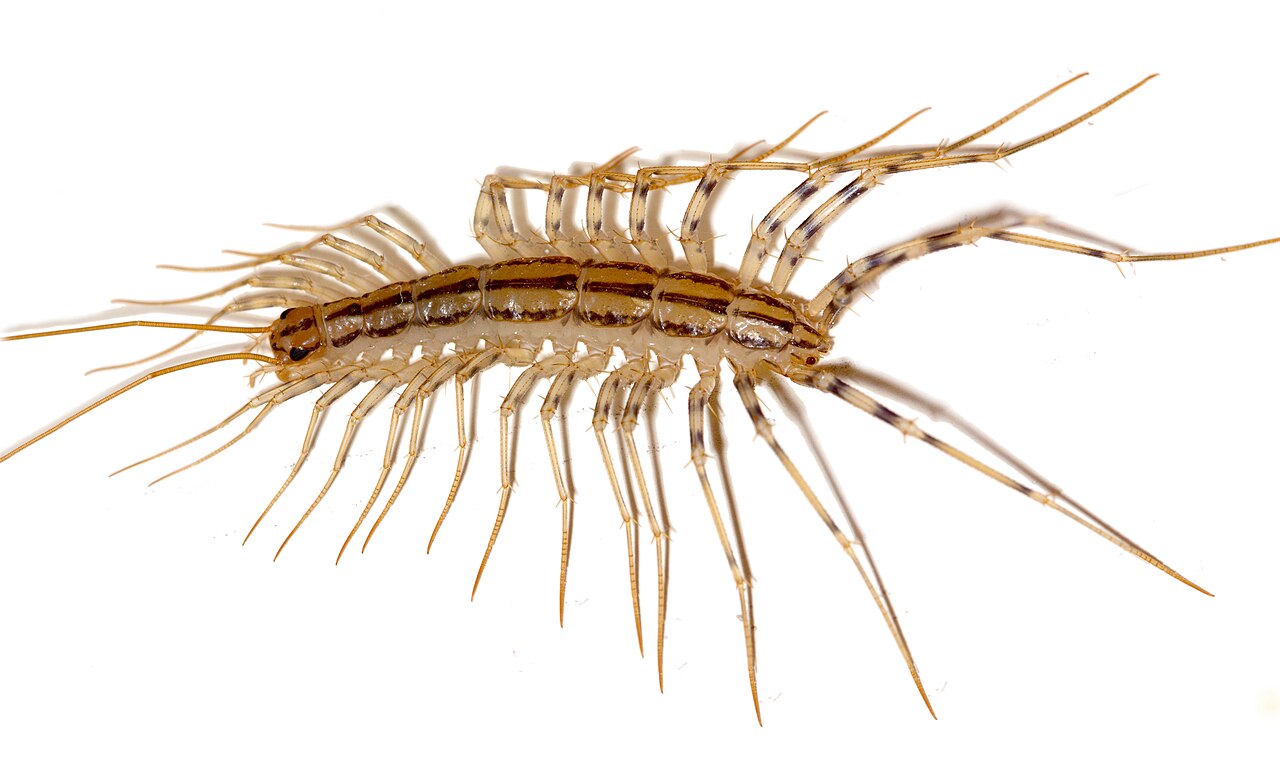
Known for its long legs and quick movement. It can be found in damp indoor spaces and feeds on small arthropods.
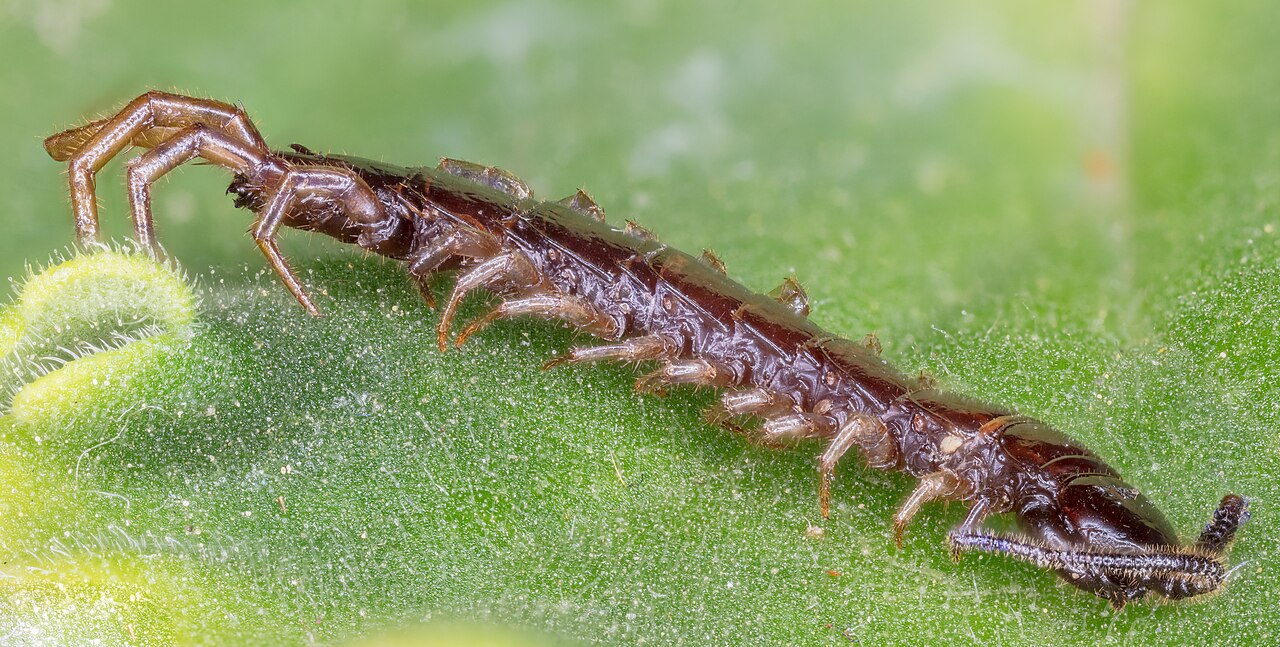
Shorter-legged than a house centipede, this type is often associated with damp soil, leaf litter and areas beneath stones.
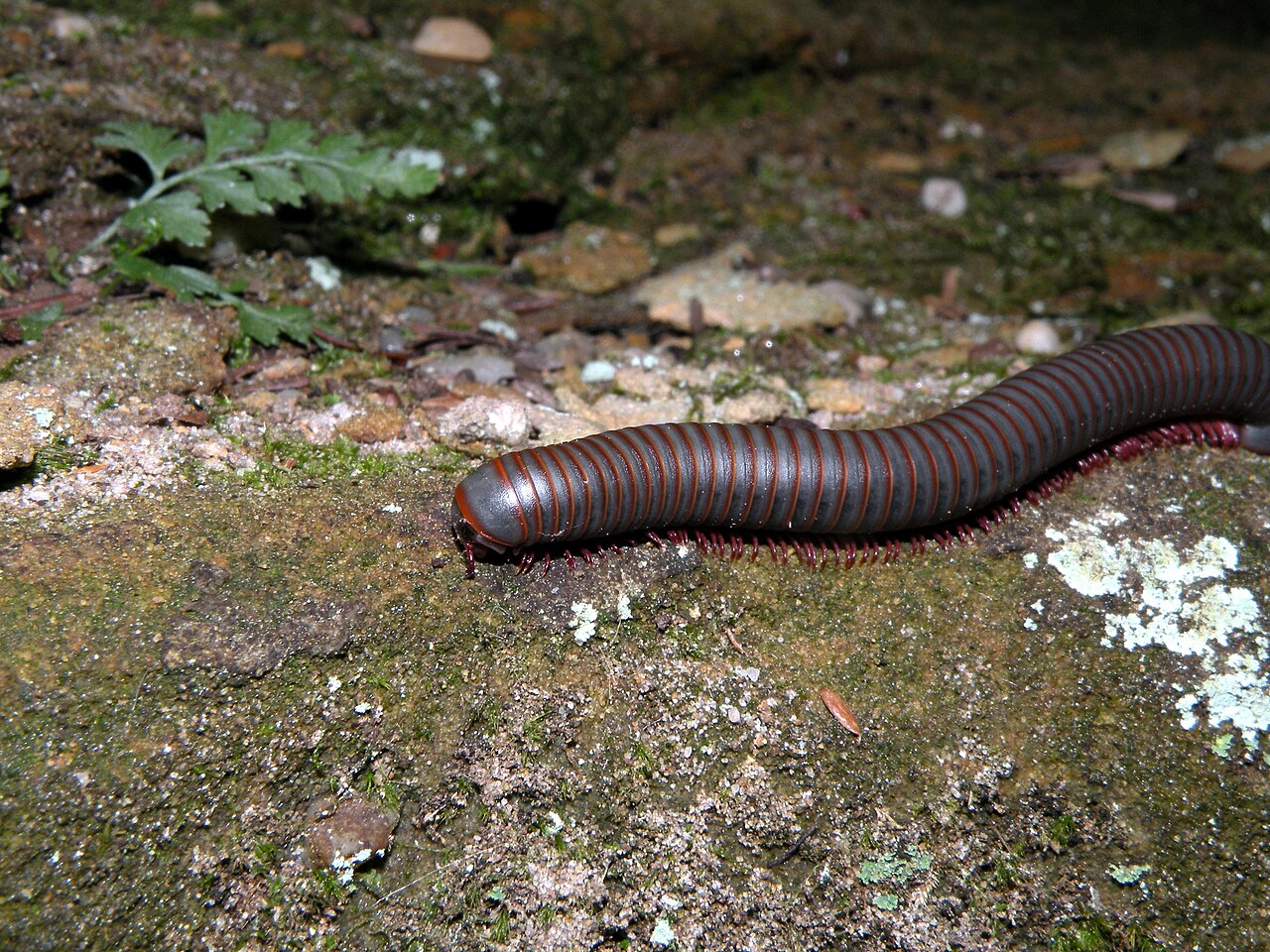
A rounded, many-segmented millipede found outdoors in moist environments, where it feeds on decaying organic matter.
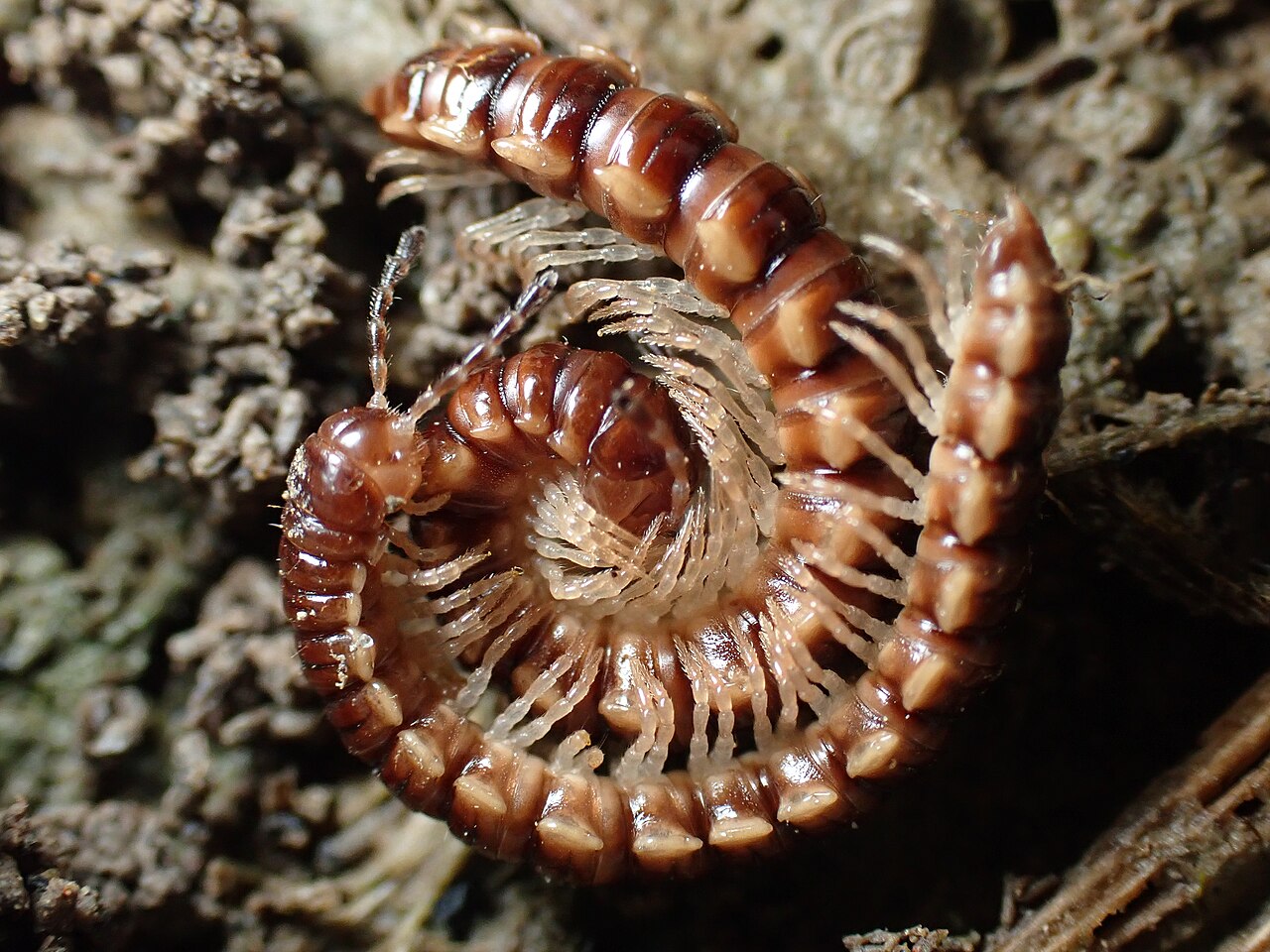
A small, slightly flattened millipede found in damp places with decaying organic matter. It may wander into ground-level rooms.
YOUR QUESTIONS, ANSWERED
Damp areas, small openings and nearby organic debris can contribute to indoor sightings. For centipedes, the presence of prey can also be a factor.
They seek sheltered, often damp places and hunt small arthropods. Repeated sightings may warrant a closer look at moisture and other pest activity.
Bites are rare and may occur if a centipede is handled. Avoid handling one directly; seek medical advice if a reaction is concerning.
Millipedes live in moist soil, mulch and leaf litter. They may move indoors through openings when outdoor conditions change.
THE VORIAN APPROACH
We look at the activity, possible entry points and conditions around your property before recommending a focused plan.
REQUEST SERVICEExamine activity and help distinguish the pest involved.
Look for damp conditions, shelter and potential entry points.
Recommend measures suited to the species and your property.
Discuss practical steps that can reduce conditions supporting activity.
Sources: Virginia Tech Extension: Greenhouse millipedes, Penn State Extension: House centipedes and University of Minnesota Extension: Centipedes and millipedes. Photographs: Holger Krisp, CC BY 4.0; Bruce Marlin, CC BY 3.0; Diego Delso, delso.photo, CC BY-SA 4.0; Doug McGrady, CC BY 2.0; Australocetus, CC BY-SA 4.0. Images resized and framed for display.